Table of Contents (10 sections)
Becoming a photographer is not just about owning a camera; it involves understanding the art of capturing moments and expressing creativity through visuals. In this guide, we will explore the essential steps to ensure success in your photography journey. Whether you aim to capture breathtaking landscapes, meaningful portraits, or vibrant street scenes, your path starts here.
Step 1: Understand the Fundamentals of Photography
To become a photographer, the first step is to grasp the vital fundamentals. This includes learning about exposure, shutter speed, aperture, and ISO. These four elements work together to create a well-exposed photograph.
- Exposure: This is the total amount of light that reaches your camera’s sensor. A well-exposed image should neither be too bright (overexposed) nor too dark (underexposed).
- Shutter Speed: This controls how long the camera's shutter remains open. A faster shutter speed can freeze motion, while a slower speed can create motion blur.
- Aperture: This determines how much light enters the lens and also affects depth of field — the blur effect in the background. A larger aperture (smaller f-number) results in a shallow depth of field, ideal for portraits.
- ISO: This refers to the sensitivity of your camera sensor to light. Higher ISO settings are useful in low-light conditions but can introduce noise.
Mastering these basics will lay a solid foundation for your photography skills and allow you to experiment more creatively.
Step 2: Choose the Right Equipment
Investing in the right equipment is crucial but doesn't mean you need to buy the most expensive camera on the market. Consider what type of photography interests you most — nature, portraits, or street photography, as this will influence your gear choices.
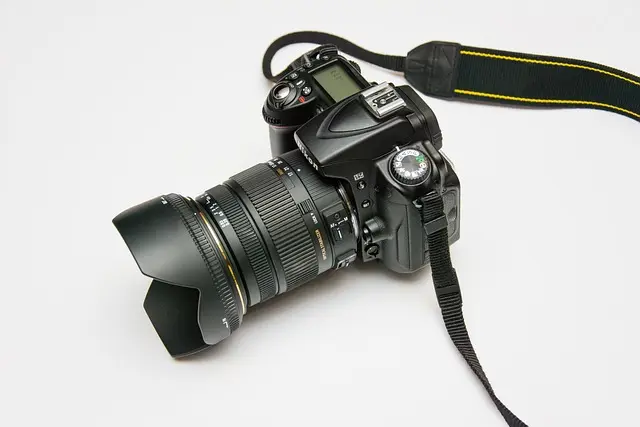
- Camera: Start with a DSLR or mirrorless camera that allows for manual settings. This flexibility is essential for learning.
- Lens: Depending on your focus area, lenses vary widely. A prime lens can be excellent for portraits, while a zoom lens is versatile for different situations.
- Tripod: A sturdy tripod can enhance your photography, especially for long exposures and landscapes.
- Editing Software: Post-processing is an essential part of photography. Software like Lightroom or Photoshop can help refine your images.
- Memory Cards and Batteries: Always carry extras to avoid missing those critical shots.
We have selected several products adapted to your photography needs; check out our recommendations below.

Step 3: Learn Composition Techniques
Good composition is key to creating engaging photographs. The rule of thirds is a foundational principle that can help you frame your shots effectively. Divide your image into three equal parts vertically and horizontally, and position essential elements along these lines or at their intersections.
- Leading Lines: Use natural lines to draw viewers into your photograph. Roads, rivers, and pathways can lead the viewer’s eye towards a focal point.
- Framing: Utilize elements within the scene to frame your subject. This adds depth and context.
- Symmetry and Patterns: Look for symmetrical scenes or repetitive patterns, which can be visually striking.
Practicing these techniques will enhance your visual storytelling and improve how you express your subjects.
Step 4: Practice, Practice, Practice
The adage "practice makes perfect" is especially true in photography. Set aside regular time to shoot and experiment with different techniques. Don't limit yourself to just a few styles; try various perspectives, subjects, and settings. Learn from the successes and mistakes you make along the way.
Take part in photography challenges or contests online to hone your skills further. Engaging with a community of fellow photographers opens opportunities for feedback, and inspiration, and can motivate you to push your creative boundaries. Furthermore, sharing your work on platforms like Instagram or photography blogs can also expose you to a wider audience and gain constructive feedback.
Step 5: Build Your Portfolio
Once you feel comfortable with your skills, it’s time to showcase your work. Building a portfolio is crucial for any aspiring photographer. Select your best images that represent a range of styles and techniques you've mastered. This will be a key factor if you decide to pursue professional opportunities.
- Website: Consider creating a website to display your portfolio. A clean, easy-to-navigate site can impress potential clients.
- Social Media: Utilize platforms like Instagram, Behance, or Pinterest to share your work and engage with other creatives.
- Networking: Connect with other photographers and potential clients. Attend workshops, join local clubs, or participate in online forums.
Investing time in building a strong portfolio can open doors to freelance gigs and collaborations.
Step 6: Continual Learning
Photography is an ever-evolving field. Stay updated with the latest trends, techniques, and technology by attending workshops and online courses. Platforms like Coursera, Udemy, or Skillshare offer numerous photography courses catering to various skill levels.
- Experiment: Maintain a curious mindset and continue to explore new styles, genres, and subjects.
- Critique and Learn: Join a critique group to receive constructive feedback and insight from fellow photographers.
Continual learning ensures that your skills will remain sharp and relevant.
Checklist before diving in:
- [ ] Understand the fundamentals of photography.
- [ ] Choose appropriate gear for your style.
- [ ] Master composition techniques.
- [ ] Regularly practice shooting in various conditions.
- [ ] Build a diverse portfolio.
- [ ] Stay engaged with the photography community.
Glossary
| Term | Definition |
|---|---|
| Aperture | A hole in the lens that allows light to pass through, affecting exposure and depth of field. |
| ISO | The measure of a camera sensor's sensitivity to light, influencing image brightness and noise. |
| Shutter Speed | The length of time the camera shutter is open, controlling exposure and motion capture. |
📺 Resource Vidéo
> 📺 For further learning: Exploring Photography Essentials, an in-depth guide to mastering the basics of photography. Search on YouTube: "photography basics 2026".
🧠 Quick Quiz: What is the most crucial element in photography?
- A) Camera model
- B) Composition
- C) Location
Answer: B — While camera gear is important, composition ultimately creates compelling images.
We hope this comprehensive guide helps you embark on an exciting photography journey! Don't hesitate to check our recommended products below for gear that aligns with your goals.
📺 Pour aller plus loin : photography basics 2026 sur YouTube
Recommended products
Selected by our experts
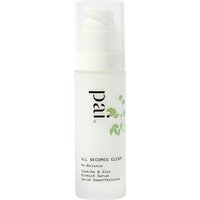
Sérum anti-imperfections All Becomes Clear - PAI
Blissim FR
This anti-blemish serum is perfect for keeping your skin clear during photo shoots, ensuring you look your best.
Pai Skincare All Becomes Clear
thedetoxmarket.com
This skincare product helps maintain a balanced complexion, ideal for those long photography sessions.