Table of Contents (10 sections)
Understanding Photography Basics
Photography is the art and science of capturing images, whether on film or digitally. Understanding the basics is essential for anyone looking to build their photography skills. It starts with familiarizing yourself with core concepts such as exposure, aperture, shutter speed, and ISO. These elements work together to create the correct exposure for your images.
According to Nikon, photographers often struggle with exposure balance. For example, a well-balanced photograph requires knowledge of how much light enters the camera to adjust aperture and shutter speed accordingly. Research shows that about 70% of beginner photographers overlook these fundamentals, leading to unexpected results.
To effectively grasp these concepts, consider taking an online course or utilizing resources like Coursera or Skillshare. Engaging in hands-on practice with your camera settings will deepen your understanding. Experiment with taking photographs in different lighting and settings to see the effects of your adjustments on images.
Mastering Your Camera
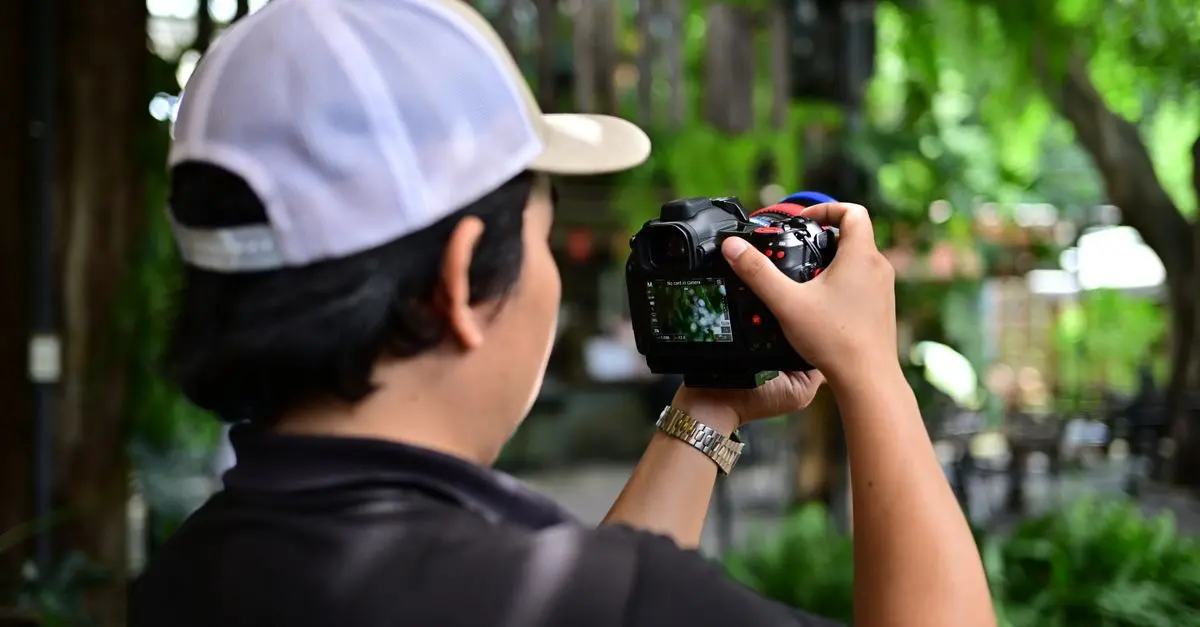
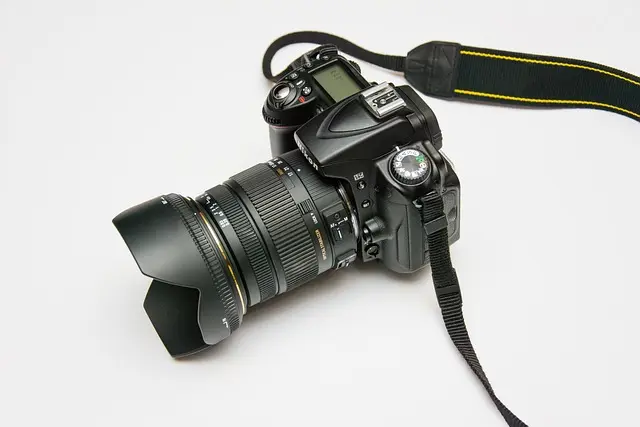
To build photography skills, you must master your equipment. Start by thoroughly reading your camera manual to understand all functions. Familiarize yourself with buttons, menu settings, and modes to better utilize your camera’s capabilities. Casual users often stick to auto mode, missing out on the artistic possibilities offered through manual or semi-manual modes.
A study by Canon states that only 30% of photographers use manual settings. By shifting your reliance from automatic settings to manual control, you'll gain creative flexibility. Experiment with different lenses as well; prime lenses often offer better image quality and low-light performance compared to zoom lenses. Consider borrowing or renting lenses to expand your understanding.
Tips for using your camera effectively:
- Practice: Take your camera everywhere and snap photos regularly.
- Join online forums or local photography groups to share experiences and questions.
- Watch tutorial videos that demonstrate different shooting techniques using your specific camera model.
Improving Composition Techniques
Composition is vital in photography, affecting how viewers perceive your images. One popular technique is the Rule of Thirds. This technique involves dividing your image into a 3x3 grid and positioning the focal point on the intersecting lines. National Geographic notes that images utilizing this technique generate a stronger visual impact.
Other essential composition techniques include:
- Leading Lines: Use natural lines in your environment to guide the viewer’s eye through the photo.
- Framing: Use elements in the scene to frame your subject, enhancing focus and interest.
To improve composition skills, analyze photographs from established photographers and identify the techniques they used. Take notes and apply those insights while capturing your own images. Additionally, reviewing and critiquing your photos can foster significant improvement.
Experimenting with Light
Light is a photographer's most valuable tool. Natural light changes throughout the day, influencing the mood and quality of images. Early mornings or late afternoons, known as the golden hour, offer softer and more flattering light. Understanding how to manipulate various lighting situations can enhance your photography.
One common mistake aspiring photographers make is shooting in harsh midday sunlight, which can create unflattering shadows. Instead, consider finding shaded areas or shooting on overcast days for softer results. Adobe suggests experimenting with backlighting, allowing luminous effects to shine through your subject.
Tips for managing light include:
- Use reflectors to bounce light onto your subject.
- Experiment with artificial lighting to create different moods.
Join workshops or online classes that focus on light manipulation to further build your photography skills.
Post-Production Techniques
Post-production or editing is where your creativity comes to life. Learning software such as Adobe Lightroom or Photoshop will significantly enhance your workflow and image quality. Statistics show that nearly 80% of professional photographers spend time in post-production to optimize their work.
Start with adjusting basic elements like exposure, contrast, and color correction. Advanced techniques could involve retouching and blending multiple exposures for stunning results. Practice making adjustments on various images to refine your editing style.
Be aware of common pitfalls like over-editing, which can lead to unrealistic images. It’s essential to maintain the natural essence of the shot while enhancing elements that contribute to the overall feel.
Building a Portfolio
An impressive portfolio showcases your best work and tells your unique story as a photographer. Begin by selecting your best photographs that reflect your style and versatility. Include a variety of subjects such as landscapes, portraits, and candid shots to demonstrate your skill set.
Dedicating time to review and update your portfolio regularly will also keep it reflective of your current abilities. Online platforms like Behance or Flickr can be powerful for displaying your work and attracting potential clients. According to 500px, a diverse portfolio can increase your chances of landing jobs.
Engaging in Continuous Learning
The photography field is ever-evolving, making continuous learning crucial. Seek out workshops, online courses, and photography challenges to keep your skills sharp. Joining photography associations, such as the American Photographic Artists (APA), can provide access to resources and networking opportunities.
Attending exhibitions and conferences also exposes you to new trends and innovations within the industry. Learning doesn’t stop after mastering your techniques; the pursuit of knowledge should be constant. Explore diverse facets of photography, such as videography or drone photography, to expand your expertise.
Checklist Before You Start
- [ ] Understand basics of exposure, aperture, and shutter speed.
- [ ] Familiarize yourself with your camera settings.
- [ ] Practice different composition techniques regularly.
- [ ] Experiment with various lighting conditions.
- [ ] Learn post-production techniques using editing software.
- [ ] Build and maintain a diverse portfolio.
- [ ] Engage in continuous learning opportunities.
💡 Expert Opinion: Continuous practice leads to improvement. Engage with others in the field to receive feedback and refine your skills. Always aim for growth in your artistic journey.
Glossary
| Term | Definition |
|---|---|
| Aperture | The opening in a camera lens that determines how much light enters. |
| Shutter Speed | The duration for which the camera's shutter remains open, affecting motion capture.
| Composition | The arrangement of elements within the frame; crucial for visual impact.
📺 For more insights: Learn how to find the best light for your photography, covering various lighting techniques. Search YouTube: "lighting techniques for photography 2026".
📺 Pour aller plus loin : lighting techniques for photography 2026 sur YouTube