Table of Contents (14 sections)
Embarking on a photography journey can be both exciting and overwhelming. Whether you're looking to capture family memories, start a side hustle, or aim for a professional career, the right foundation is crucial. In this article, we will explore 10 essential tips to start photography that will help you set the groundwork for creating stunning images. Each tip is designed to provide you with practical insights to ignite your passion for photography.
1. Understand Your Equipment
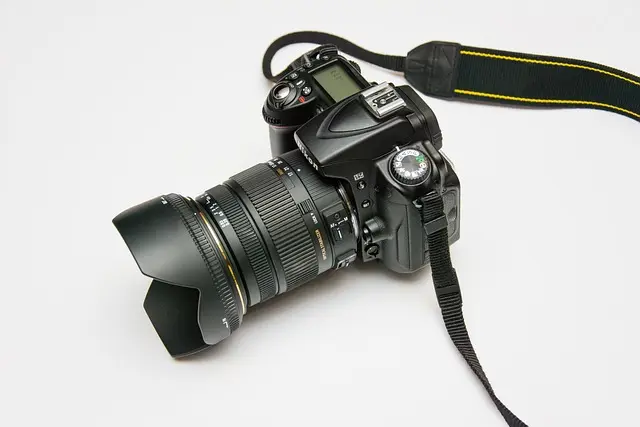
Before you start taking photographs, it’s pivotal to familiarize yourself with your camera and its settings. Most beginners often overlook the importance of understanding basic camera functions like ISO, aperture, and shutter speed. For instance, ISO controls the camera's sensitivity to light. A higher ISO is useful in low-light conditions but may introduce noise into your images. Conversely, a lower ISO is ideal for bright conditions, leading to clearer shots. Knowing how to adjust these settings can drastically improve the quality of your photos. Spend time reading the manual and experimenting with your camera to discover its capabilities. Tip: Consider practicing in various lighting conditions to see how your camera responds.
2. Master Composition Techniques
Composition is key to crafting visually appealing photographs. Understanding the rule of thirds, leading lines, and framing can elevate your photography significantly. The rule of thirds suggests that dividing your image into a 3x3 grid allows you to place points of interest along the lines or at their intersections, creating balance. Additionally, leading lines help guide the viewer’s eye through the image, creating depth and dimension. Practice applying these techniques in your photography to enhance your storytelling ability through images. Remember, the foundation of a great photo often lies in its composition.


StarTech.com USB Crash Cart Adapter with File Transfer & Video Capture
lenovo.com
3. Lighting Is Everything
Good lighting can make or break a photograph. Natural light is particularly valuable for beginners, as it often produces soft and flattering tones. Early mornings and late afternoons yield what is known as the golden hour, where sunlight enhances colors and reduces harsh shadows. Conversely, harsh midday sunlight can create unflattering contrasts. Learning to identify different lighting conditions and adjusting your shooting schedule accordingly can lead to mesmerizing photos. Pro Tip: Use reflectors or diffusers to manage light when shooting outdoors.
4. Explore Post-Processing Software
Post-processing is an essential skill for photographers, providing an opportunity to enhance your images after capture. Familiarize yourself with software like Adobe Lightroom or Photoshop. Editing allows you to correct exposure, enhance colors, and add creative effects. Statistics show that about 85% of professional photographers use post-processing software regularly. Take online courses or watch tutorials to enhance your editing skills. Experiment with different filters and editing techniques to develop your unique style. Remember that while editing is essential, starting with a well-composed shot will reduce the need for intensive correction.
5. Find Your Niche
Photography encompasses various styles and genres: portrait, landscape, street, wildlife, and many more. Finding a niche that resonates with you will help you focus your practice and build a portfolio that showcases your strengths. For example, if you’re drawn to vibrant city scenes, focusing on street photography will allow you to tell stories through your encounters with people and places. Explore different styles until you find one that captivates you. Not only will this help you stay motivated, but it will also make your photography more recognizable.
6. Practice, Practice, Practice
As the saying goes, practice makes perfect. The more you shoot, the better you get. Set goals for yourself, such as taking a photo a day or exploring a new location each weekend. Aim for diversity in your subjects and styles. A concrete approach could include creating themed projects or joining local photography clubs for critiques and inspiration. According to research, consistent practice leads to noticeable improvements in skill level within just a few months. Track your progress by maintaining a photography journal or creating a dedicated portfolio.
7. Seek Feedback and Learn from Others
Receiving constructive feedback is vital for growth. Connect with fellow photographers through social media platforms or photography forums. Participate in online critiques or join local clubs or workshops where you can share your work and receive insights. Learning from others' experiences and mistakes can broaden your understanding and skill set. Remember, every photographer was once a beginner, and sharing your journey can build lasting friendships and networks.
8. Invest in Quality Gear Over Time
While talented photographers can create stunning images with basic equipment, investing in quality gear can enhance your workflow and results. Baker’s dozen of professional photographers concur that having reliable equipment can be a game-changer. Start with the essentials: a good camera body, a versatile lens, and a sturdy tripod. As you advance, consider adding accessories like external flashes or photo printers. Remember, it’s often better to start small and upgrade gradually instead of going all-in on expensive gear right away. Consider: composing your shots with your current equipment before investing in high-end gear.
| Equipment | Entry-Level | Mid-Range | Professional-Level |
|---|---|---|---|
| Camera Body | DSLR | Mirrorless | Medium Format |
| Lens | Kit Lens | Zoom Lens | Prime Lens |
| Tripod | Basic Aluminium | Carbon Fiber | High-End Stable |
| Accessories | Basic Filters | External Flashes | Professional Kits |
In this digital age, many resources can provide valuable insights and techniques. Websites like YouTube, Udemy, and Skillshare offer a plethora of photography tutorials ranging from camera basics to advanced editing techniques. Additionally, consider reading blogs and subscribing to photography magazines for inspiration. Dedicating time to educate yourself outside of shooting can accelerate your understanding of techniques and trends in photography. Remember, self-improvement is a continuous journey.
10. Develop a Personal Style
As you gain experience, finding and developing your unique photographic style is crucial. Your style will evolve with time, encompassing your preferences, perspectives, and skills. Analyze your favorite photographers and identify the elements that resonate with you. Incorporate these features into your own work while maintaining originality. A well-defined style not only distinguishes your work but also attracts potential clients and audiences. Embrace your individuality and let it shine through in your photography.
Checklist for Starting Photography
- [ ] Understand your equipment
- [ ] Master composition techniques
- [ ] Explore lighting conditions
- [ ] Experiment with post-processing software
- [ ] Find your niche
- [ ] Practice consistently
- [ ] Seek feedback from peers
- [ ] Invest in quality gear gradually
- [ ] Utilize online resources and courses
- [ ] Develop a personal style
📺 For further insights: [Beginner Photography Tips | Your Ultimate Guide to Getting Started], learn essential skills for budding photographers. Search on YouTube: beginner photography tips 2026.
Glossary
| Term | Definition |
|---|---|
| Aperture | The opening in a lens through which light passes, affecting exposure and depth of field. |
| ISO | A measure of a camera's sensitivity to light, determining brightness and noise in images. |
| Shutter Speed | The duration for which the camera sensor is exposed to light, influencing motion blur. |
---
Embrace the journey of photography, and don't hesitate to explore our recommended products below to enhance your setup. Start capturing those breathtaking images today!
📺 Pour aller plus loin : beginner photography tips 2026 sur YouTube
Recommended products
Selected by our experts


HP - Panorama Instant Label Printer & Photo Printer Starter Bundle - Gray
bestbuy.com

HP - Panorama Instant Label Printer & Photo Printer Starter Bundle - Pink
bestbuy.com


StarTech.com - Vertical Dual Monitor Stand, Heavy Duty Steel, Monitors up to 27" (22lb/10kg), Vesa Monitor, Computer Monitor Stand - Black
bestbuy.com