Table of Contents (18 sections)
Photography is more than just capturing images; it's about telling stories and connecting with the world around you. As you explore how to start your journey as a photographer, this guide will outline ten essential steps that will help you develop your skills, enhance your knowledge, and cultivate your creativity. Each step is designed to provide you with actionable advice and insights for a smooth start in photography.
Step 1: Understand the Basics of Photography
Before diving in, it's crucial to grasp the fundamentals of photography. This includes understanding terms such as exposure, aperture, shutter speed, and ISO. These elements combine to create a photograph, determining how much light enters the camera and how your final image will appear. Investing time in tutorials, photography books, or online courses can give you a solid foundation. Some excellent resources are platforms like Udemy and Coursera, which offer specialized photography courses for beginners.
Step 2: Choose the Right Equipment
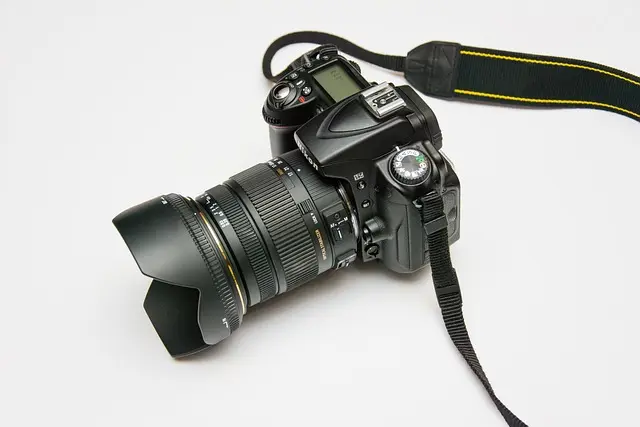
The gear you use can significantly impact your photography experience. While many beginners think they need to invest in the most expensive camera, that's not always necessary. Start with a camera that fits your budget and needs. Mirrorless cameras and DSLRs are popular choices. Consider features that matter most for your intended photography style, such as lens compatibility and low-light performance. Remember, as you gain experience, upgrading equipment will become easier as you identify your preferences.


CORE365 - CE890 - Men's Journey Summit Hybrid Full - Zip - Black/ Black - L
clothingshoponline.com

CORE365 - 78190 - Women's Journey Fleece Jacket - Classic Navy - S
clothingshoponline.com
Step 3: Practice, Practice, Practice
Photography is an art that improves with practice. Make a habit of taking photos regularly, experimenting with different techniques, settings, and subjects. Challenge yourself with projects, such as a 365-day photography challenge or themed shoot. Feedback is valuable, so join photography communities where you can share your work and receive constructive criticism. Platforms like Instagram and Flickr can be great for showcasing your progress and learning from others.
Step 4: Learn Composition Techniques
Understanding composition is vital to creating compelling photographs. Techniques like the rule of thirds, leading lines, and framing can help draw attention to your subject and create a visually appealing image. Engage with various subjects to apply these techniques and develop your style. Additionally, study the works of renowned photographers to understand how they compose their shots. Books such as “The Photographer’s Eye” by Michael Freeman can offer valuable insights into this aspect of photography.
Step 5: Master Post-Processing Skills
In the digital age, post-processing is an essential part of photography. Learning how to use editing software like Adobe Lightroom or Photoshop can drastically enhance your images. Start with basic adjustments like exposure, contrast, and color correction. As you become more proficient, explore advanced techniques to refine your style further. Online tutorials and forums can guide you through specific processes, enabling you to unlock the full potential of your photographs.
📺 Resource Video
> 📺 For further learning: Exploring Composition in Photography, an in-depth analysis of composition techniques. Search for “composition techniques in photography” on YouTube.


Step 6: Develop Your Unique Style
Every photographer has a distinct style that evolves over time. As you gain experience, pay attention to what subjects, colors, and themes resonate with you. Experimenting with different genres—such as landscape, portrait, or street photography—can help you discover your passion. Maintain a portfolio showcasing your best work to track your style development and present it to potential clients or collaborators.
Step 7: Network with Other Photographers
Networking is key to building your brand in photography. Attend workshops, exhibitions, and meetups to connect with fellow photographers. Engaging with others in the industry can lead to collaboration opportunities, whether it’s sharing knowledge or working on projects together. Joining online photography groups can also expand your network and provide support from peers at various skill levels.
Step 8: Understand the Business Side
If you're considering turning photography into a career, it's essential to dive into the business side as well. Learn about marketing, pricing your work, and how to manage client relationships effectively. Building a personal website can serve as a portfolio and a point of contact for potential clients. Utilize social media to promote your work and engage with your audience, as this can significantly impact your reach and success.
Comparing Different Photography Styles
| Photography Style | Strengths | Weaknesses | Best For |
|---|---|---|---|
| Landscape | Scenic beauty, nature focus | Requires travel | Outdoor enthusiasts, nature lovers |
| Portrait | Human emotion, connectivity | Can require special equipment | Event photographers, family sessions |
| Street | Spontaneous moments, urban life | Less control over surroundings | Documentary photographers, social commentary |
| Wildlife | Unique subjects, natural behavior | Challenging conditions | Nature enthusiasts, adventurers |
Step 9: Stay Updated with Trends
The photography industry is constantly evolving with technology and trends. Staying updated can provide new ideas and techniques to apply to your work. Follow photography blogs, magazines, and social media influencers to keep pace with innovation. Engaging with educational resources such as webinars and podcasts can also help you remain informed and inspired.
Step 10: Never Stop Learning
Photography is an endless journey of learning and growth. Embrace the challenges and be patient with your progress. Continually seek out new skills and experiences, whether through formal education, tutorials, or hands-on practice. Investing in your growth not only sharpens your photography skills but also fuels your passion for the art.
Checklist Before You Begin
- [ ] Understand basic photography concepts
- [ ] Choose suitable equipment for your needs
- [ ] Practice regularly to improve skills
- [ ] Learn powerful composition techniques
- [ ] Master post-processing software
- [ ] Develop a unique photographic style
- [ ] Network with other photographers
- [ ] Understand the business aspects of photography
- [ ] Stay updated with photography trends
- [ ] Commit to lifelong learning and improvement
Glossary
| Term | Definition |
|---|---|
| Aperture | An opening in the lens that controls the amount of light entering the camera. |
| Shutter Speed | The length of time the camera's shutter is open, affecting exposure. |
| ISO | A measure of the camera's sensitivity to light, crucial for image clarity. |
Recommended Products
- - - - - - ---
📺 Pour aller plus loin : composition techniques in photography sur YouTube
Recommended products
Selected by our experts
Drew Journey II Men's Black Oxford 9.5 E4 - Gender: male
shoemall.com
A comfortable pair of shoes is essential for outdoor shoots and long sessions, offering the support you need to focus on your photography.
CORE365 - CE890 - Men's Journey Summit Hybrid Full - Zip - Black/ Black - L
clothingshoponline.com
Perfect for outdoor photography, this jacket provides warmth and protection, ensuring you stay comfortable while shooting in varying conditions.
CORE365 - 78190 - Women's Journey Fleece Jacket - Classic Navy - S
clothingshoponline.com
Light and practical, this fleece jacket is suitable for layering during shoots, keeping you warm without compromising mobility.
Journey 60" Bench Artisan Ash
cb2.com
This bench is ideal for photographers needing a stable seat while capturing outdoor shots, combining functionality with aesthetic appeal.
LOJEL Niru - Journey Pack - Terracotta
us.lojel.com
A well-designed backpack is essential for carrying your camera gear conveniently and securely on your photography adventures.
LOJEL Niru - Journey Pack - Storm
us.lojel.com
Another excellent backpack choice that allows for quick access to your gear while providing ample space for additional items.