Table of Contents (16 sections)
Table of Contents
- Understand Your Equipment
- Practice, Practice, Practice
- Study the Masters
- Master Basic Techniques
- Experiment with Styles
- Build a Strong Portfolio
- Engage with the Community
- Invest in Education
- Stay Inspired
- Seek Feedback
Understanding the Art of Photography
Photography is not just about pressing a button; it’s about capturing moments and telling stories. In today’s digital landscape, where content is abundant, aspiring photographers must find ways to stand out. This requires not only a keen eye but also technical expertise and creativity. Mastering the nuances of photography involves understanding light, composition, and how your camera works. Knowing your equipment inside and out can dramatically improve your photography skills.
1. Understand Your Equipment
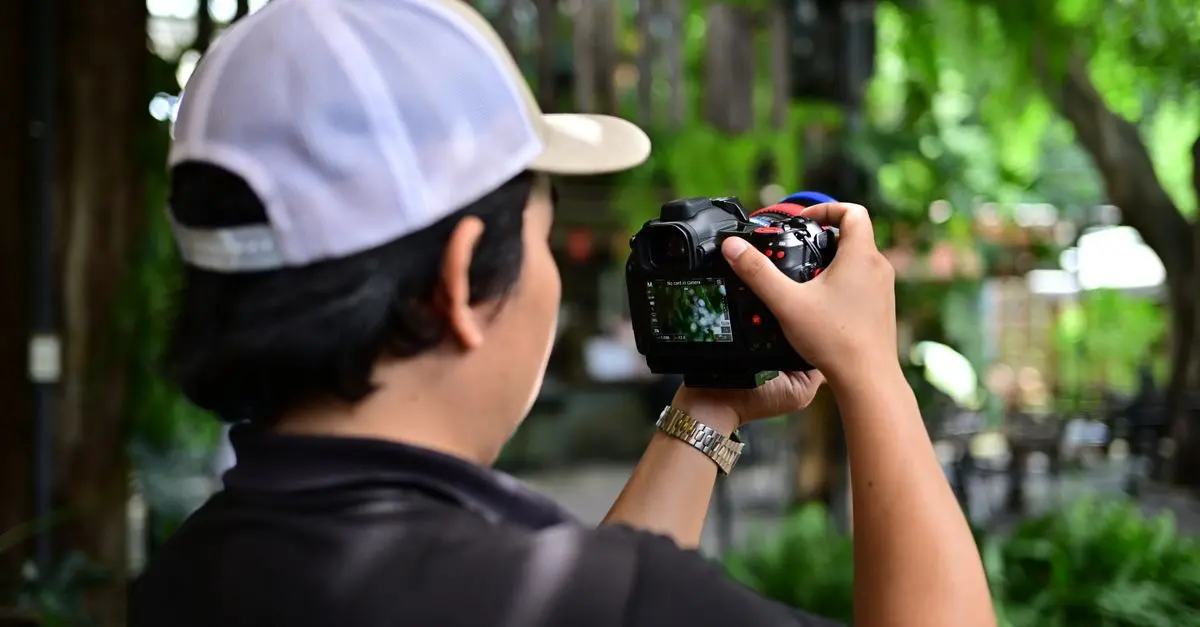
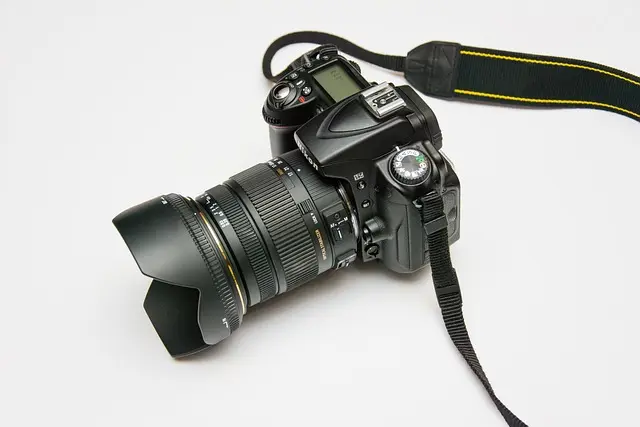
Knowing your camera's functionality is crucial. Whether you use a DSLR, mirrorless, or smartphone, each has unique features and settings. Familiarize yourself with the manual to understand how to adjust settings like aperture, shutter speed, and ISO. Practice taking photos in different modes—manual, aperture priority, shutter priority—to learn how each setting affects the outcome.
For example, using manual mode allows you to control exposure entirely. A survey by Photography Life found that 63% of successful photographers credit their understanding of equipment as a pivotal factor in their development.
2. Practice, Practice, Practice
The only way to truly get better is through consistent practice. Set yourself challenges, like a 30-day photo challenge, where you focus on a specific aspect each day, such as lighting, angles, or themes. Regular shooting helps develop muscle memory, making it easier to reach for settings intuitively when capturing fast-moving subjects or spontaneous moments.
Many professional photographers recommend dedicating time each week to simply explore and shoot without any specific goal. This can lead to unexpected creativity and skill development.
3. Study the Masters
Analyse the works of renowned photographers. Understand their styles, techniques, and the emotions they evoke through their photos. Websites like National Geographic and The Museum of Modern Art showcase exceptional photography that can serve as inspiration. Try to imitate their techniques with your own subjects, creating a series of photos that replicate their style but tell your story.
For instance, by studying Ansel Adams, you can see how he mastered light and shadow. From his techniques, you can learn the importance of composition and timing in landscape photography.
4. Master Basic Techniques
Solidifying your understanding of fundamental techniques can elevate your photography quality. Focus on understanding composition rules, such as the Rule of Thirds, leading lines, and framing. Additionally, learn about depth of field, which alters how a viewer perceives in-focus and out-of-focus areas in a photo.
Online platforms like Skillshare offer excellent classes focusing on basic photography techniques that can provide structured learning. Regularly practicing these skills will help you move beyond simple snapshot photography and produce works of art.
5. Experiment with Styles
Don’t be afraid to step outside your comfort zone and experiment with different photographic styles. Whether it’s portraiture, landscape, macro, or street photography, each genre can teach unique skills. Creating a personal project focused on one genre can help you dive deeper into its nuances and improve your overall versatility as a photographer.
Statistics indicate that photographers who diversify their skill set enhance their marketability, with 57% of industry professionals stating that adaptability is crucial for success in photography.
6. Build a Strong Portfolio
As an aspiring photographer, showcasing your work is essential. Create a portfolio that highlights your best pieces, organized by style or subject. Quality always trumps quantity; it’s better to have a few outstanding images than a plethora of mediocre ones.
Online platforms like Behance or Flickr offer great spaces for photographers to display their work and gain feedback. Additionally, a strong portfolio can open doors to freelance opportunities or collaborations that can further develop your skills.
7. Engage with the Community
Photography is as much about connection as it is about the image itself. Engaging with the photography community, whether through local groups, online forums, or social media, can provide you with new ideas, inspiration, and constructive criticism. Attend workshops, meetups, or exhibitions to meet like-minded individuals and expand your network.
According to PetaPixel, photographers who are actively engaged in communities often report higher satisfaction in their creative endeavors and increased motivation to improve.
8. Invest in Education
Consider investing in photography courses or workshops to further hone your skills. Whether it’s in-person or online, educational settings can provide structured learning and insights from experienced professionals. For instance, renowned institutions like New York Institute of Photography offer courses that cater to all skill levels, helping you find your niche in the photography world.
9. Stay Inspired
Keeping the creative juices flowing is vital. Regularly follow photography blogs, social media accounts, and documentary series focusing on art and photography. Websites like 500px and Instagram can be excellent sources of inspiration that enable you to keep up with current trends and innovative styles in photography.
Additionally, consider setting up a mood board or a digital compilation of inspiring shots to refer to during creative slumps. This can reignite your passion and creativity.
10. Seek Feedback
Finally, always seek feedback on your work from peers, mentors, and online communities. Constructive criticism can provide insights into areas you might not have considered, helping you grow as a photographer. Join photography critique groups or online discussion forums where you can post your work and receive valuable input.
💡 Expert Opinion: Engaging with an audience for feedback means not just gaining perspectives but also learning how others perceive your art. Feedback loops foster growth and push you toward improvement.
📺 Resources Video
> 📺 For further exploration: Photography Basics Explained, a comprehensive guide on mastering photography techniques. Look for the video on YouTube by searching: photography basics tutorial 2026.
Glossary
| Term | Definition |
|---|---|
| Aperture | The opening in a camera lens that controls the amount of light hitting the sensor. |
| ISO | A measure of the camera's sensitivity to light; higher values allow for shooting in lower light. |
| Shutter Speed | The length of time the camera's shutter is open to expose light to the sensor. |
Checklist before shooting
- [ ] Understand your camera settings
- [ ] Practice different compositions
- [ ] Study a photographer's work
- [ ] Build and update your portfolio
- [ ] Join photography communities
- [ ] Invest in a photography course
- [ ] Seek feedback on your work
- [ ] Experiment with various styles
- [ ] Stay inspired through other works
- [ ] Contribute to discussions for improving skills
With the right dedication, insight, and practice, any aspiring photographer can elevate their skills and capture remarkable moments. Start applying these tips today for refreshing your approach and sharpening your photography skills!
📺 Pour aller plus loin : photography basics tutorial 2026 sur YouTube