Table of Contents (9 sections)
Lighting is the cornerstone of photography, influencing how images are captured and perceived. Understanding photography lighting techniques is pivotal for any photographer seeking to enhance their craft. From natural light to various artificial sources, mastering these principles unlocks a world of creative possibilities. In this guide, we will delve into essential techniques and practical tips that can elevate your photography skills and help you achieve stunning results.
1. Understanding Light Types
Before diving into specific techniques, it is crucial to grasp the difference between natural and artificial light. Natural light comes from sources like the sun and moon, while artificial light includes flashlights, studio lights, or LED panels. Each type of light offers unique characteristics that can significantly affect your photography.
For example, natural light is often softer during golden hours (just after sunrise and before sunset) compared to the harsh midday sun. This softness creates beautiful shadows and illuminates textures gently. On the other hand, artificial light allows for controlled illumination, useful in studio settings and low-light environments. Understanding how to manipulate both light types enables you to create diverse moods and atmospheres in your photographs.
Pro Tip: Always observe how light changes throughout the day and experiment with different times for varied effects. Circular polarizing filters can enhance natural light, reducing glare and reflections, making colors pop.
2. Mastering the Exposure Triangle
To capture well-lit photographs, you must master the exposure triangle: aperture, shutter speed, and ISO.
- Aperture (f-stop): This setting affects the depth of field. A lower f-stop (e.g., f/2.8) produces a shallow depth of field, blurring the background and highlighting the subject, whereas a higher f-stop (e.g., f/16) sharpens the entire scene.
- Shutter Speed: This controls how long your camera’s sensor is exposed to light. A faster shutter speed (e.g., 1/1000s) freezes motion, ideal for sports photography, while a slower speed (e.g., 1/30s) can create motion blur, which adds dynamic effects.
- ISO: This measures your camera’s sensitivity to light. A low ISO (e.g., 100) produces cleaner images in bright conditions, while a higher ISO (e.g., 3200) works well in dark settings but may introduce noise.
Balancing these elements allows you to achieve the desired exposure in varying lighting conditions. Experiment with different settings to understand their impact. A good practice is to use a handheld light meter to measure the light in your environment and adjust accordingly.
3. Utilizing Reflectors and Diffusers
Reflectors and diffusers are invaluable tools in photography lighting. They manipulate light direction and quality, allowing for greater control over your image composition. A reflector is simply a surface that bounces light back onto your subject, filling in shadows and creating a more even exposure.
Diffusers scatter light and soften harsh beams. This is particularly useful when shooting portraits; placing a diffuser between your subject and a harsh light source reduces shadows and creates soft, flattering light. You can use simple materials like white bedsheets for diffusing or even purpose-built diffusers for more professional setups.
Common Mistakes to Avoid: Forgetting to adjust exposure when using reflectors can lead to overexposed highlights. Always check your histogram to ensure you're capturing the right exposure levels.
4. Experimenting with Flash Techniques
Using flash can dramatically alter your images, allowing for creativity in lower light conditions. There are various techniques, such as bounce flash, where you direct the flash at a nearby wall or ceiling to create soft light. This approach mimics natural light and eliminates harsh shadows.
Off-camera flash setups enable you to position your flash at angles that highlight your subject dynamically. This technique is perfect for creative portraits and event photography.
Here’s a quick guide to setting up off-camera flash:
- Position your flash on a light stand or hold it manually, ensuring it's triggered via a wireless flash transmitter.
- Adjust the distance and angle of the flash to shape shadows effectively.
- Play with exposure settings to achieve the desired effect, noting that increasing the flash power may require you to reduce ISO or lower aperture to prevent overexposure.
5. Utilizing the Golden Hour and Blue Hour
The golden hour—the first hour after sunrise and the last before sunset—provides warm, inviting light that can enhance landscapes and portraits alike. During this time, the sun is at a low angle, casting long shadows and illuminating textures vibrantly without harshness.
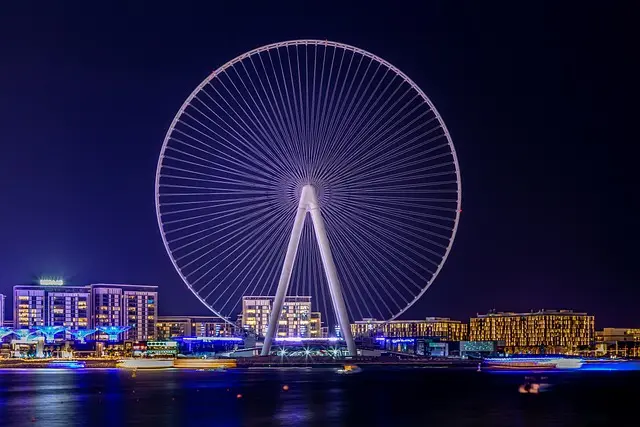
The blue hour, which occurs just before sunrise or after sunset, features cooler tones due to the absence of sunlight, creating a magical atmosphere. This time is exceptional for nighttime cityscapes and landscapes, as ambient light produces stunning contrasts. Utilize your camera settings to capture the essence of this unique time, adjusting your ISO, aperture, and shutter speed accordingly to balance ambient light.
📺 Resource Video
> 📺 To go further: Mastering Flash Photography Techniques, a comprehensive analysis of flash techniques to enhance your photography skills. Search on YouTube: "flash photography techniques 2026"
Checklist for Perfect Lighting:
- [ ] Understand the types of lighting (natural vs. artificial)
- [ ] Practice with the exposure triangle (aperture, shutter speed, ISO)
- [ ] Experiment with reflectors and diffusers
- [ ] Utilize flash techniques effectively
- [ ] Take advantage of the golden and blue hours
Glossary
| Term | Definition |
|---|---|
| Aperture | The size of the opening in a lens through which light passes, crucial for exposure and depth of field. |
| Shutter Speed | The length of time the camera's sensor is exposed to light, affecting motion capture and brightness. |
| ISO | The sensitivity of the camera sensor to light, impacting image brightness and noise levels. |
> 🧠 Quick Quiz: What is the best time to shoot for warm light?
> - A) Midday
> - B) Golden Hour
> - C) Blue Hour
> Answer: B — The golden hour provides the most appealing light for photos.
In conclusion, refining your photography lighting techniques can significantly elevate your visual storytelling. By understanding the intricacies of light and how to manipulate it, you can create stunning images that captivate your audience. Practice these techniques regularly and witness your photography evolve into a more professional and expressive craft. Feel free to ask any questions in the comments or share your experiences!
📺 Pour aller plus loin : Mastering Flash Photography: 5 Lighting Principles for Beginners sur YouTube