Table of Contents (10 sections)
Becoming a professional photographer is a rewarding but challenging journey that combines passion with strategic planning. This guide details the practical steps you must take to transition from an aspiring photographer to a fully-fledged professional in the field.
Step 1: Master Your Craft
To start your journey, you must first hone your photography skills. This involves understanding the technical aspects of photography, such as exposure, composition, and lighting. Enroll in photography courses, attend workshops, and practice as much as possible. For instance, many professionals recommend the Exposure Triangle—which includes aperture, shutter speed, and ISO—as a crucial concept to master.
Step 2: Invest in Quality Equipment
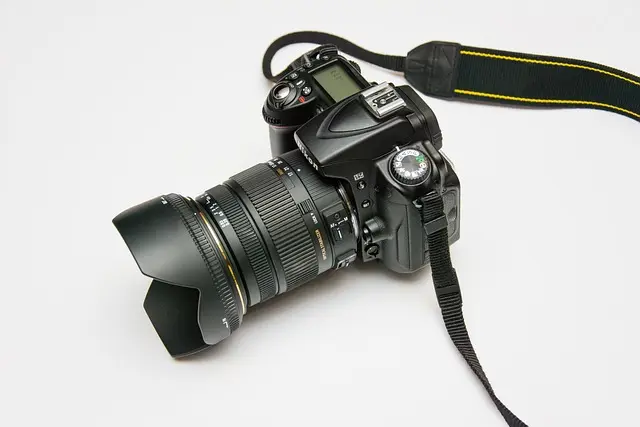
While skill is crucial, the right tools also play a significant role in your success. Invest in quality photography equipment that suits your niche, such as DSLR or mirrorless cameras, lenses, and lighting gear. Make sure to conduct research and read user reviews, as equipment quality can significantly impact your final product. Additionally, exploring products like commercial-grade vacuum cleaners can help maintain your workspace clean, thereby creating a conducive learning environment.
Step 3: Build a Signature Style
As you develop your technical skills and invest in equipment, take time to define your signature style. It can involve specific themes, techniques, or color palettes that resonate with you. This unique style becomes your brand and can even set you apart from competitors. Research successful photographers in your preferred niche and analyze what makes their style distinct, enabling you to choose a direction for your work.
Step 4: Create an Online Portfolio
Building an online portfolio is essential for showcasing your work and attracting potential clients. Use platforms like Squarespace or WordPress to create a professional website that highlights your best photos, biography, and contact information. Include images that reflect your signature style and write a brief description of your creative process. Make sure the portfolio is easy to navigate and visually appealing, as this can leave a lasting impression on potential clients.
Step 5: Network and Market Yourself
Effective networking is key to gaining exposure and building a clientele. Attend photography events, join local photography clubs, and connect with fellow photographers through social media platforms like Instagram and Facebook. Participate in forums on sites like Fstoppers or DPReview to engage with the community. Additionally, consider investing in marketing tools—perhaps even related accessories— to promote your work effectively.
Step 6: Understand the Business Side
Transitioning to a professional photographer means understanding how to run a business. This includes managing client contracts, pricing services, and bookkeeping. Most photographers recommend consulting a financial advisor or taking a business course to learn about these aspects. Procrastination in these areas can lead to significant issues down the road, so it's vital to get organized early.
Step 7: Keep Learning and Evolving
The photography industry is dynamic, constantly evolving with new techniques, equipment, and trends. Stay updated by attending workshops, taking online courses, and following photography blogs. Regularly revisit and revise your portfolio to include recent work that demonstrates your growth as a photographer. Overall, adopting a mindset of continuous learning will not only enhance your skills but will also keep your work relevant and appealing.
Checklist for Becoming a Professional Photographer
- [ ] Master the technical skills of photography.
- [ ] Invest in high-quality photography equipment.
- [ ] Develop a unique signature style.
- [ ] Create a professional online portfolio.
- [ ] Build a network and market yourself.
- [ ] Learn the business aspects of photography.
- [ ] Commit to lifelong learning.
Glossary
| Term | Definition |
|---|
| Exposure Triangle | A foundational concept in photography that balances aperture, shutter speed, and ISO to achieve the desired exposure.
| Digital SLR (DSLR) | A type of camera that combines the optical viewfinder from traditional cameras with digital imaging technology.
| Signature Style | Unique characteristics and features in an artist’s work, setting it apart from others in the same field.
💡 Expert Opinion: Consistent practice and exposure to critiques can lead to significant improvements in your skills over time.
🧠 Quick Quiz: What is the most crucial aspect of developing your photography business?
- A) Equipment
- B) Networking
- C) Style
Answer: B — Networking is vital to gaining exposure and building a client base.
📺 For more insights: Explore videos on YouTube about building a photography career.
In conclusion, establishing yourself as a professional photographer requires dedication, learning, and strategic action. Follow these essential steps to kickstart your journey, and don't hesitate to adapt and grow as the industry evolves.
📺 Pour aller plus loin : how to start a photography career 2026 sur YouTube
Recommended products
Selected by our experts

Metropolitan Vacuum Cleaner Co., Inc. Professional Car Vacuum and Dryer
sharperimage.com
This professional car vacuum and dryer ensures your equipment and workspace remain pristine, essential for any photographer's setup.

Metropolitan Vacuum Cleaner Co., Inc. Professional Auto Detailing Vacuum
sharperimage.com
A powerful auto detailing vacuum can help maintain a clean environment in your photography studio.

VVOR Professional Blender with Shield, Commercial Countertop Blenders, 68 oz Blender Combo, Stainless Steel 9 Speed & 5 Functions Blender, for
shop.simon.com
A professional blender for smoothies can provide a healthy snack option while editing photos, keeping you energized throughout long working hours.
Professional Blender, Commercial Countertop Blenders, 68 oz Glass Jar Blender Combo, Stainless Steel for Frozen Drinks
bedbathandbeyond.com
Professional Blender, Commercial Countertop Blenders, 68 oz Glass Jar Blender Combo, Stainless Steel for Frozen Drinks
bedbathandbeyond.com
Professional Blender, Commercial Countertop Blenders, 68 oz Glass Jar Blender Combo, Stainless Steel for Frozen Drinks
bedbathandbeyond.com