Table of Contents (13 sections)
- Understanding Photography Skills
- Mastering Your Camera
- Exploring Different Styles
- Learning Composition Techniques
- Practicing Regularly
- Utilizing Online Resources
- Joining a Photography Community
- Seeking Feedback and Critique
- Setting Personal Goals
Understanding Photography Skills
To effectively develop photography skills, it’s crucial to understand what those skills encompass. Photography is not just about clicking a button; it requires a blend of technical proficiency and artistic vision. Core skills include understanding camera settings, mastering composition, developing an eye for detail, and learning to edit photos adeptly. According to a survey conducted by Photography Life, approximately 67% of beginner photographers struggle with the technical aspects of using their cameras. Therefore, it’s essential to first grasp basic functions like aperture, shutter speed, and ISO, which are fundamental for achieving desirable results. Moreover, a solid understanding of the principles of visual arts can enhance one's ability to convey messages through images effectively.
Mastering Your Camera
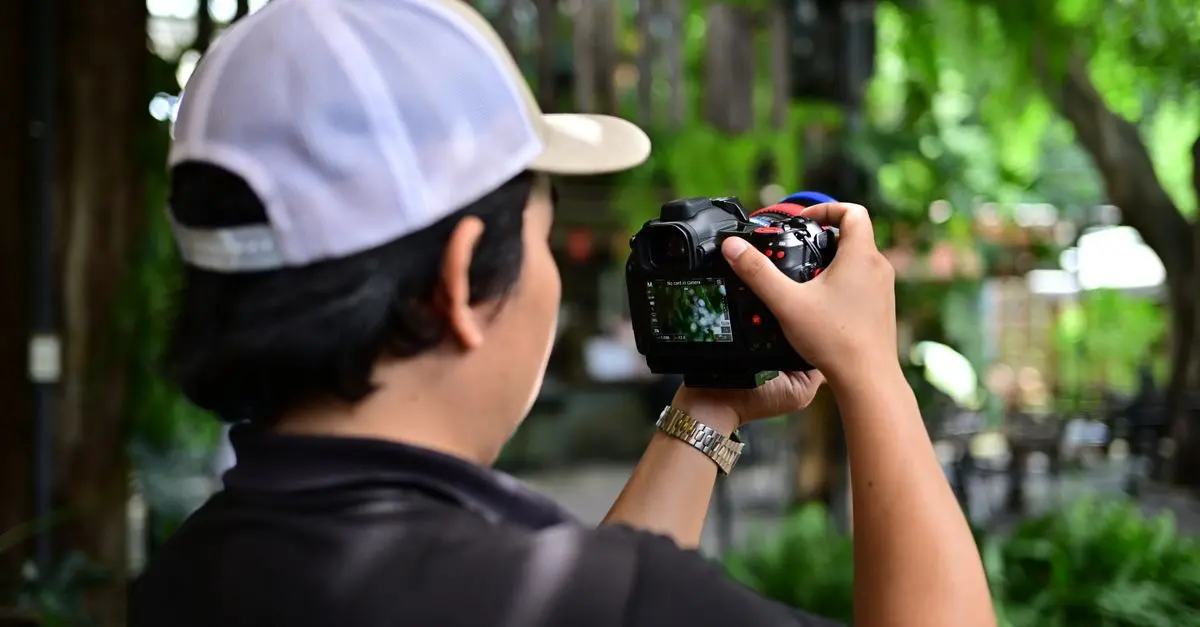
One significant way to develop photography skills is to master your camera. This means going beyond the automatic settings and diving into manual controls. Start by reading the manual to familiarize yourself with the buttons, dials, and features. A study by DPReview revealed that photographers who utilize manual settings produce images of higher perceived quality than those who rely solely on automatic modes. Conduct experiments using various settings to see how changes impact your photos. For example, try adjusting the exposure to find the right balance for different lighting conditions or explore different focusing techniques. Consider the outcome of your shots, as hands-on experience will solidify your understanding.
Exploring Different Styles
Diverse styles of photography exist, including portrait, landscape, street, and macro photography, each requiring different techniques. Experimenting with various styles can enhance your skillset and help you discover your niche. According to Photography Trends, photographers often report that branching out into different styles has helped them develop versatility, enabling them to adapt their skills to various situations. For instance, if you are primarily a portrait photographer, trying landscape photography can allow you to work with natural light in a new way, ultimately enriching your understanding of light and composition. Consider allocating specific days to challenge yourself by shooting in various styles to broaden your horizon.
Learning Composition Techniques
Effective composition is one of the cornerstones in developing photography skills. Techniques like the rule of thirds, leading lines, and framing can transform a mundane image into an extraordinary one. According to an analysis by Nikon, 80% of the most captivating photographs utilize at least one compositional technique. Understanding the visual balance and focusing on the subject can significantly impact your photography. Utilize guides and tutorials available online that focus specifically on composition. Moreover, analyzing famous photographers’ works can provide insight into how careful compositions lead to visually engaging photographs.
Practicing Regularly
Regular practice is essential for any skill, including photography. Dedicate time each week to shoot, whether in your local area or during trips. Setting personal themes or challenges can ignite creativity—try a photo-a-day challenge or focus on capturing a specific color. A study by Adobe revealed that photographers who practice consistently improve their technical and creative skills at a significantly faster rate than those who do not. Document your progress and experiment with post-processing techniques to see how they affect different shots. Emphasize learning from mistakes and refining your technique with each new photo session.
Utilizing Online Resources
The online photography community is rich with resources. Websites and platforms such as YouTube, Skillshare, and Coursera offer numerous courses and tutorials ranging from beginner to advanced levels. Utilize these to fill knowledge gaps or learn new techniques—75% of photographers report benefiting from online courses. For instance, you might learn advanced editing techniques on programs like Photoshop or Lightroom, which can dramatically enhance your images. Furthermore, many platforms provide course feedback, fostering a conducive learning environment. Incorporate what you learn into your practice, and don’t hesitate to revisit lessons as needed.
Joining a Photography Community
Being a part of a photography community can accelerate your learning process enormously. Local clubs, online forums, and social media groups provide opportunities to connect with fellow enthusiasts, share experiences, and gain insights into their learning journeys. According to data from Conversocial, over 60% of photographers who engage in community activities feel an increase in motivation. Participate in local exhibitions, workshops, or simply start discussions about photography techniques on platforms like Instagram and Flickr. Not only will you receive support and inspiration, but you will also build connections that can lead to collaborative opportunities.
Seeking Feedback and Critique
Feedback is essential to developing any skill, and photography is no exception. Share your work with peers or mentors who can provide constructive criticism. A small survey conducted by Pexels found that photographers who received feedback improved their skills twice as quickly as those who worked in isolation. Consider platforms like 500px or photography forums where you can submit work for peer review. When receiving feedback, focus on the critique rather than taking it personally; consider it a tool for improving your skills and refining your artistic vision.
Setting Personal Goals
Finally, setting realistic and attainable goals can provide direction in your photography journey. Determine what skills you want to develop further, whether it’s mastering a new shooting technique or completing a specific project. Research by the American Psychological Association suggests that individuals who set specific goals are 10 times more likely to achieve them. Break larger goals down into smaller, manageable tasks to maintain motivation; for instance, aim to capture one compelling portrait every week. This practice not only builds skills but also encourages a consistent shooting routine.
📺 Resource Video
> 📺 To go further: Check out this comprehensive guide on how to effectively develop photography skills. Look for this title on YouTube: "Essential Photography Tips for Beginners".
Glossary
| Term | Definition |
|---|---|
| ISO | A measure of the camera’s sensitivity to light. |
| Aperture | The opening in a lens that controls how much light enters. |
| Shutter Speed | The duration that the camera’s shutter is open to expose light to the sensor. |
Checklist before starting
- [ ] Understand your camera settings
- [ ] Choose a photography style to focus on
- [ ] Explore composition techniques
- [ ] Practice shooting regularly
- [ ] Utilize online resources for learning
- [ ] Connect with a photography community
- [ ] Seek feedback from peers
- [ ] Set achievable photography goals
🧠 Quick Quiz: What critical skill is essential for developing photography skills?
- A) Mastering editing software
- B) Understanding manual camera settings
- C) Buying a professional camera
Answer: B — Mastering manual camera settings is crucial for improving photography skills.
📺 Pour aller plus loin : essential photography tips for beginners sur YouTube