Table of Contents (11 sections)
What Does It Mean to Develop Photography Skills?
Developing your photography skills involves more than just learning how to click a button. It encompasses a deep understanding of how to use your camera effectively, mastering the art of composition, and learning how to manipulate lighting. This process is crucial for anyone aspiring to become a photographer, whether you’re doing it casually or planning to build a career.
Photography is not just about capturing moments; it’s about conveying a story, emotion, or message through visual imagery. In today’s digital landscape, where images are shared widely across social media platforms, the ability to take striking, quality photographs is more important than ever. According to a report by Adobe, approximately 70% of consumers believe that high-quality images significantly influence their purchase decisions. This highlights the need for strong photography skills in business contexts as well.
Step 1: Understanding Your Camera
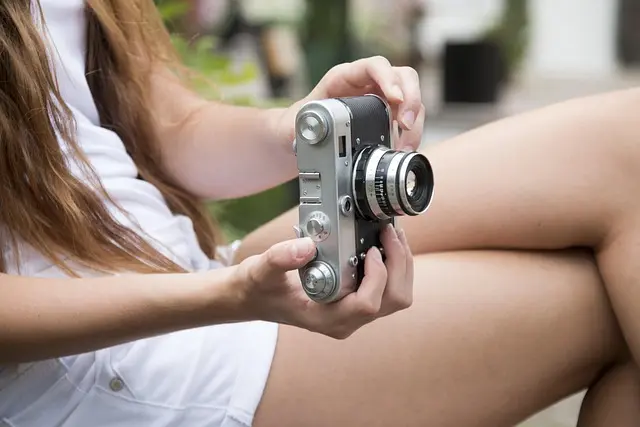
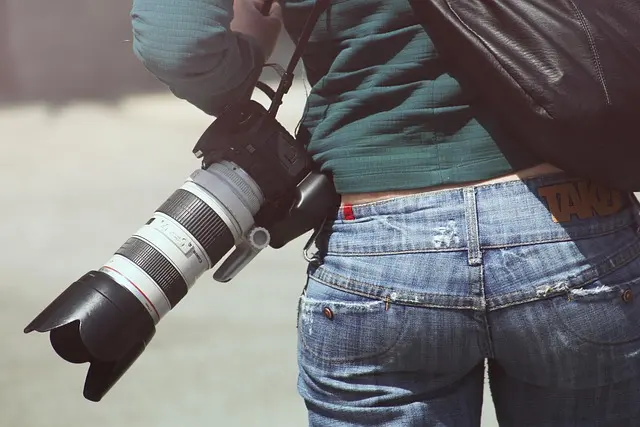
The first step in developing your photography skills is to familiarize yourself with your camera. Whether you’re using a DSLR, mirrorless, or even a smartphone camera, each has unique features that can enhance your photos depending on the situation. Take the time to read the manual and understand key settings, such as ISO, aperture, and shutter speed.
- Practice with Settings: Experiment with manual settings to see how adjustments impact your photos. Try shooting in different modes, such as portrait or landscape, and notice how they affect the outcome.
- Use Online Resources: Many photographers share tips and guides online. Platforms like YouTube offer a plethora of tutorials on how to make the most of your camera settings.
- Common Pitfalls: Avoid relying solely on automatic settings. While they're convenient, they may not always highlight the uniqueness of your shot. Developing a basic grasp of manual controls will provide greater creative freedom.
Step 2: Mastering Composition Techniques
Composition is vital in photography, as it determines how your subject is framed within the shot. Mastering various composition techniques can greatly enhance the visual appeal of your photos. Some key strategies include:
- Rule of Thirds: Dividing your image into thirds both horizontally and vertically creates points of interest. Positioning your subject along these lines can lead to more dynamic images.
- Leading Lines: Use natural lines in your environment to guide the viewer’s eye toward your subject. This technique can create depth and perspective in your photographs.
- Framing: Use elements from your environment to frame your subject, making it stand out. This can include tree branches, doorways, or windows.
By focusing on these techniques during practice, you can develop an eye for captivating compositions. Don't hesitate to analyze the work of renowned photographers; learning from the best can provide inspiration and insight into effective composition.
Step 3: Exploring Lighting Conditions
Lighting plays a crucial role in photography. Understanding natural and artificial light can significantly elevate your work. Here are some tips to consider:
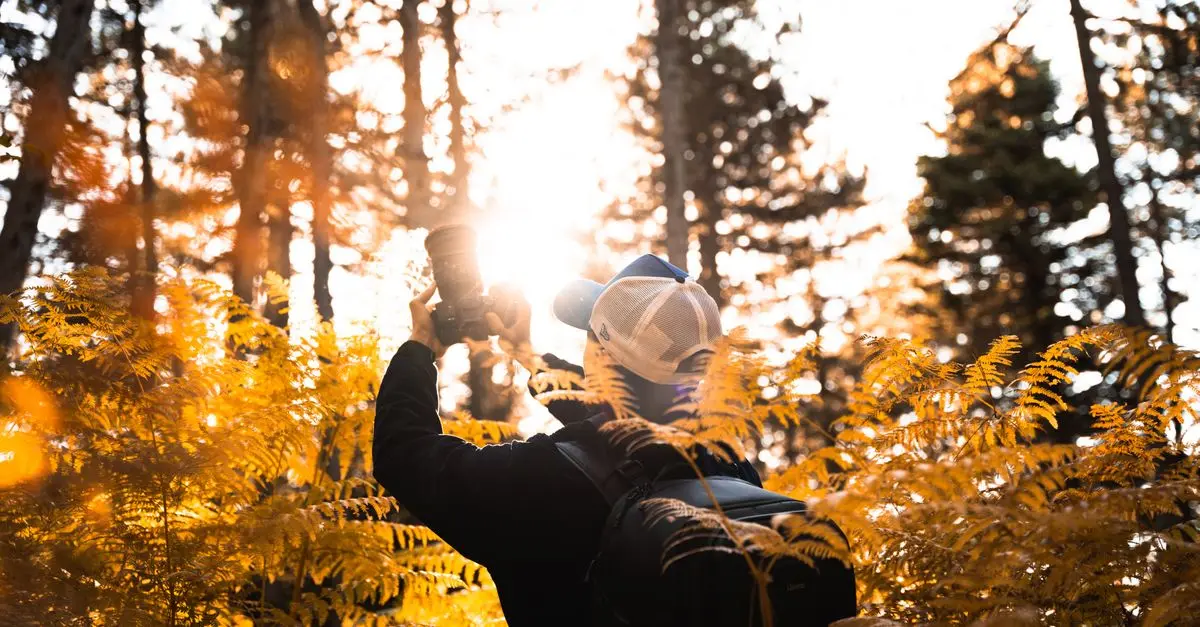
- Golden Hour: The hour after sunrise and before sunset offers a soft, warm glow that is perfect for photography. Aim to shoot during this time for portraits and landscapes.
- Experiment with Shadows: Hard shadows and bright highlights can add drama to your images. Don’t shy away from shooting in varied light conditions to see how they change the feel of your photo.
- Indoor Lighting: When shooting indoors, make use of available light sources like windows. Artificial lighting can be tricky, so experiment with different types to see the effects on color and mood.
Learning how to manipulate light to your advantage will provide a new dimension to your photography. Pay attention to how light affects everything from color to mood in your photographs.
Step 4: Practicing Different Genres
Diving into various photography genres can help you discover your style. Experiment with landscapes, portraits, wildlife, and street photography.
- Landscapes: Focus on capturing expansive scenes. Consider seasons, changes in weather, and different times of day to see how they affect your shots.
- Portraits: Understand how to connect with your subjects; the emotional element can make a portrait powerful. Work on framing and how to pose your subjects naturally.
- Street Photography: This genre challenges you to see the world uniquely. It’s often about candid moments and storytelling, so always have your camera ready.
Engaging with various styles allows you to develop flexibility in your skills. Each genre has different demands and challenges which can broaden your overall photographic ability.
Step 5: Editing Your Photos
Editing is an essential part of the photography process. Great photos can often benefit from post-production tweaks. Here are some crucial steps:
- Software Options: Consider using editing software like Adobe Lightroom or Photoshop. These tools provide numerous features for adjusting brightness, contrast, and color correction.
- Presets and Filters: Using presets can speed up your editing process, but try to maintain a unique look to your work. Adjust them to fit your photo rather than applying them blindly.
- Practice Consistency: While experimenting with edits, develop a signature style that reflects your personality as a photographer.
Remember, the goal isn’t to create an artificial look, but to enhance the natural beauty of your subjects.
📺 Resource Video
> 📺 For further insight: Check out this informative video on photography techniques and tips. Search for "how to develop photography skills" on YouTube for a variety of resources.
Checklist for Developing Photography Skills
- [ ] Understand camera settings (ISO, aperture, shutter speed)
- [ ] Practice composition techniques (rule of thirds, leading lines)
- [ ] Explore different lighting conditions
- [ ] Experiment with various photography genres
- [ ] Edit photos for enhancement
Glossary
| Term | Definition |
|---|---|
| Exposure | The amount of light that reaches the camera sensor. |
| Aperture | The size of the opening in the lens that controls light. |
| Shutter Speed | The amount of time the camera's shutter remains open. |
Quiz
> 🧠 Quick Quiz: Which time of day is known for providing the best natural lighting for photography?
> - A) Midday
> - B) Golden hour
> - C) Nighttime
> Answer: B — The golden hour provides softer, more flattering light than harsh midday sun.
Developing your photography skills requires patience, practice, and a willingness to learn. By following this step-by-step guide, you will be well-equipped to enhance your photography journey. Start capturing those moments today and share your unique perspective with the world!
📺 Pour aller plus loin : how to develop photography skills sur YouTube