Table of Contents (16 sections)
Embarking on a journey as a photographer can be both exhilarating and daunting. The world of photography allows individuals to express their creativity, capture unique moments, and share their perspectives through compelling visuals. Whether you aim to become a professional or pursue photography as a hobby, understanding the foundational steps is crucial. In this guide, we will break down the process of how to start your journey as a photographer, offering practical advice, expert tips, and insights into the industry.
Step 1: Define Your Goals and Style
Before diving into the technical aspects of photography, it's essential to outline your goals. Ask yourself: What kind of photography interests you? Are you drawn to portraits, landscapes, wildlife, or street photography? Defining your niche will not only help you focus your practice but also guide your learning path. Take time to explore various styles by attending exhibitions, following photographers on social media, and participating in community events. This exploration can aid you in discovering your unique voice and aesthetic, allowing your work to resonate with your intended audience.
Tips for Defining Your Style
- Research: Look at diverse photographers’ portfolios. Note what draws you in.
- Practice: Experiment with different styles and subject matters.
- Feedback: Share your work with friends or online groups for constructive criticism.
Step 2: Acquire the Right Equipment
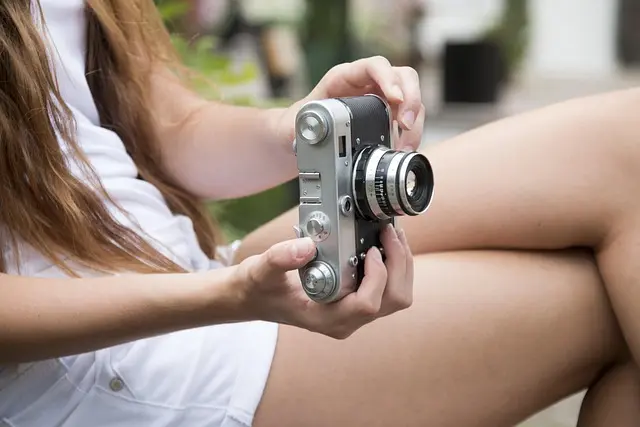
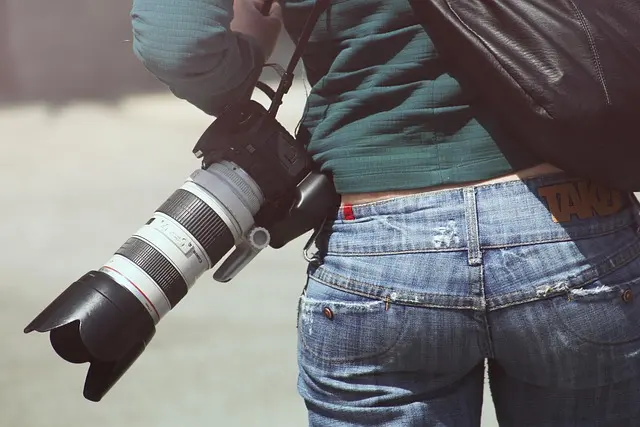
Now that you've defined your goals, it's time to invest in appropriate photography equipment. While high-end gear can be appealing, starting with basic tools is often sufficient. Look for a camera that fits your needs (DSLR, mirrorless, or even your smartphone). Additionally, consider essential accessories such as lenses, tripods, and external flashes.
Equipment Recommendations
- Beginners might want a camera with automatic settings to simplify the learning process.
- As you progress, consider expanding your lens collection or investing in editing software.
💡 Expert Tip: You don't need the most expensive gear to start. A quality camera can often be found within a reasonable budget. Focus on understanding the foundational elements of photography first, such as exposure, composition, and lighting.


CORE365 - CE890 - Men's Journey Summit Hybrid Full - Zip - Black/ Black - L
clothingshoponline.com

CORE365 - 78190 - Women's Journey Fleece Jacket - Classic Navy - S
clothingshoponline.com
Step 3: Master the Basics of Photography
Understanding the principles of photography is critical. Familiarize yourself with concepts such as composition, lighting, depth of field, and exposure triangle (aperture, shutter speed, ISO). Resources such as online tutorials, community colleges, or local workshops can provide valuable information.
Recommended Learning Resources
- Online platforms such as YouTube offer countless free tutorials.
- Websites like Skillshare and Udemy provide comprehensive photography courses tailored for beginners.
---
| Concept | Definition | Example | Importance |
|---|---|---|---|
| Composition | The arrangement of elements in a photo | Rule of thirds | Engages the viewer |
| Lighting | The use of natural or artificial light | Golden hour lighting | Enhances mood and detail |
| Exposure | The amount of light that reaches the camera sensor | Adjusting ISO, shutter speed | Ensures proper brightness in photos |
---
Step 4: Practice Regularly
The best way to improve your photography skills is through consistent practice. Schedule regular shooting sessions where you can apply what you’ve learned. Consider various conditions, times of day, and subjects to broaden your experience. Create projects or challenges for yourself, like a 30-day photo challenge, to keep things exciting and help you explore different techniques.
Common Mistakes to Avoid
- Focusing too much on gear: Remember, great photography comes from skill and creativity, not just expensive equipment.
- Neglecting post-processing: Learn basics of editing software like Adobe Lightroom or Photoshop to enhance your images even further.
💡 Expert Tip: Join photography clubs or forums to share your work, receive feedback, and connect with fellow photographers.
Step 5: Build Your Portfolio
As you grow in skill and confidence, start curating a portfolio that showcases your best work. A strong portfolio is crucial for aspiring photographers and serves as your visual resume. Include a variety of styles, techniques, and subjects that represent your journey and personal brand. Consider creating an online presence via a personal website or social media to share and promote your photography.
Elements of a Strong Portfolio
- Quality over quantity: Choose only your best images.
- Consistency: Ensure a cohesive aesthetic throughout your portfolio.
- Storytelling: Aim to convey a narrative or theme through your work.
Step 6: Network and Seek Opportunities
Networking can open up numerous opportunities in the photography industry. Attend local events, workshops, and exhibitions. Connect with other photographers and professionals in your area. Don't hesitate to reach out for collaborations or internships, as they provide invaluable experience and potential growth avenues.
Networking Tips
- Utilize social media platforms to engage with other photographers.
- Join online photography groups or forums.
- Consider volunteering at local events to expand your network and gain exposure.


📺 For More Insight:
Search for insightful videos on YouTube: "How to start your photography journey" to find tutorials and tips from experienced photographers.
Checklist Before You Start Your Photography Journey
- [ ] Define your photography goals and niche
- [ ] Research and invest in essential gear
- [ ] Master the foundational photography concepts
- [ ] Regularly practice and experiment
- [ ] Build a diverse portfolio of your best work
- [ ] Network within the photography community
Glossary
| Term | Definition |
|---|---|
| Exposure Triangle | The three elements of exposure: aperture, shutter speed, and ISO which work together to determine the brightness of your image. |
| Composition | The arrangement of visual elements in a photograph, which affects how a viewer perceives the image. |
| Post-processing | The steps taken to edit and enhance photographs after they've been taken, usually involving software like Lightroom or Photoshop. |
> 🧠 Quick Quiz: What is the best way to improve your photography?
> - A) Buy the most expensive camera
> - B) Practice consistently
> - C) Ignore feedback
> Answer: B — Consistent practice is the key to skill improvement!
📺 Pour aller plus loin : how to start your photography journey sur YouTube
Recommended products
Selected by our experts
LOJEL Niru - Journey Pack - Terracotta
us.lojel.com
This backpack is perfect for transporting your photography gear comfortably while you're out capturing images.
CORE365 - CE890 - Men's Journey Summit Hybrid Full - Zip - Black/ Black - L
clothingshoponline.com
A versatile hybrid fleece jacket that keeps you warm during outdoor shoots.
CORE365 - 78190 - Women's Journey Fleece Jacket - Classic Navy - S
clothingshoponline.com
This fleece jacket provides comfort and style, ideal for long photography sessions in varied weather.