Table of Contents (14 sections)
- Understand Your Equipment
- Master the Basics of Composition
- Experiment with Different Styles
- Learn to Edit
- Build Your Portfolio
- Network and Collaborate
- Utilize Social Media
- Stay Updated on Trends
- Seek Feedback
- Keep Learning
Understand Your Equipment
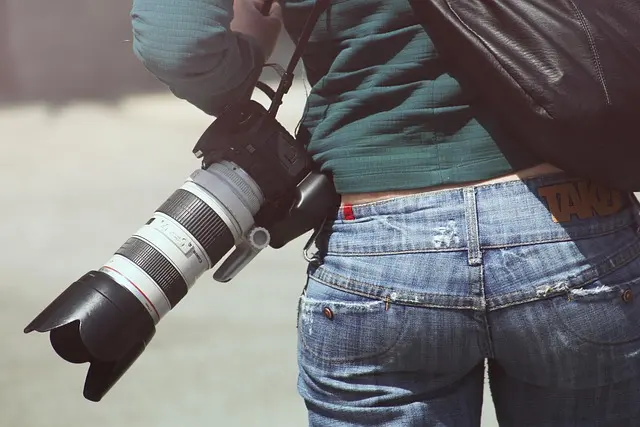
To succeed as an aspiring photographer, it is crucial to understand your equipment. Whether you own a DSLR, mirrorless camera, or even a smartphone, knowing how to maximize its potential is fundamental. Start by familiarizing yourself with the camera settings such as aperture, shutter speed, and ISO. Each setting plays a vital role in how the final image turns out. For example, using a wide aperture of f/2.8 can create a shallow depth of field, ideal for portrait photography as it blurs the background effectively.
Additionally, it’s essential to learn about the lenses compatible with your camera and their unique characteristics. For instance, wide-angle lenses are perfect for landscapes while telephoto lenses capture distant subjects remarkably well. Investing in a sturdy tripod can stabilize long-exposure shots in lower light conditions. Embracing your equipment fully allows you to spend less time fiddling with settings and more time capturing breathtaking images.
Master the Basics of Composition
Composition can make or break a photograph. Mastering it involves understanding various techniques like the rule of thirds, leading lines, and framing. The rule of thirds divides your image into a grid, suggesting that placing your subject along these lines can create more interest. For instance, instead of positioning a subject in the center, align it along the gridlines to draw the viewer’s eye. Leading lines guide the viewer's attention toward the main subject, while natural frames, such as archways or tree branches, enhance the focal point.
Furthermore, experimenting with angles can lead to more dynamic images. Don't hesitate to shoot from below, above, or even tilting your camera. A captivating composition tells a story and evokes emotions, making your photographs more compelling.
Experiment with Different Styles
As an aspiring photographer, don't shy away from experimenting with different styles. Photography encompasses various genres, including portrait, landscape, street, and product photography. Each genre has its unique techniques and appeals, and exploring them can help you discover which aligns with your interests and strengths. For instance, street photography often captures spontaneous moments of life, capturing raw emotions and stories that might go unnoticed in posed settings. Conversely, landscape photography involves understanding lighting, time of day, and often requires patience to capture the perfect shot.
Consider setting a personal challenge, like a daily or weekly photo project focusing on a specific theme or location. This practice allows you to broaden your skillset while refining your eye for detail, ultimately guiding you to develop a unique photographic voice.
Learn to Edit
Post-processing is an integral part of modern photography. Learning to edit your images can elevate your photos from good to exceptional. Software like Adobe Lightroom and Photoshop allows photographers to adjust color balance, exposure, contrast, and saturation. Understanding how to make these adjustments can dramatically influence the mood and quality of your images.
For example, a properly edited photo can transform a flat, underwhelming image into a vibrant masterpiece. Explore various editing styles to discover what enhances your work while maintaining authenticity. Besides, many photographers share editing tutorials in video format, making it easier than ever to learn techniques that suit your aesthetic preferences.
Build Your Portfolio
A strong portfolio showcases your skills and style in photography. It’s essential in presenting your best work in a professional manner since potential clients will often judge your expertise based on the quality of your portfolio. Start by selecting your most impactful images, focusing on diversity and narrative within your work. Aim to include a mix of your best portraits, landscapes, or any other genre you feel confident in.
Additionally, consider creating an online presence through personal websites or platforms like Behance and 500px. This not only increases visibility but also allows your portfolio to reach a wider audience. Most importantly, keep updating your portfolio as you grow and refine your style, reflecting your journey as an aspiring photographer.
Network and Collaborate
Networking in the photography industry is vital for growth and exposure. Networking with other photographers and creatives can open doors to collaborative projects, where you can learn from others' experiences and techniques. Attend photography workshops, seminars, or local meetups where you can meet fellow enthusiasts.
Engaging with the community online can also expand your network significantly. Participate in photography forums, engage on social media platforms, and join relevant groups. Collaborating with others can inspire you, provide constructive criticism, and foster a supportive network that helps you thrive. Building these connections creates opportunities for mentorships, partnerships, and potential job offers.
Utilize Social Media
Social media platforms like Instagram, Pinterest, and Facebook are powerful tools for aspiring photographers. They allow you to showcase your work, interact with fellow creatives, and gain inspiring feedback. Each platform has its strengths: Instagram is visually-driven and perfect for sharing your photos, while Pinterest is fantastic for creating mood boards and discovering new ideas.
To gain followers and engagement, consider posting consistently and using relevant hashtags. Engaging with your audience by responding to comments and messages makes your followers feel valued, fostering a community around your work. Besides, many photographers use these platforms to connect with potential clients, increasing the chances of landing paid gigs. Don’t forget to analyze your posts' performance to understand what content resonates with your audience.
Stay Updated on Trends
The photography field is constantly evolving, with new techniques, styles, and technologies emerging regularly. Staying updated on trends in photography can keep your work relevant and innovative. Follow industry leaders, read blogs, and subscribe to photography magazines to learn about the latest gear, techniques, and trends.
For instance, drone photography and mobile photography have gained immense popularity in recent years. Understanding these trends can expand your skill set and inspire your projects. Additionally, incorporating modern trends can enhance your brand as a photographer and attract a wider client base. Regularly experimenting with current trends ensures your work stays fresh and exciting.
Seek Feedback
An essential part of growth is seeking feedback from others. Whether it’s peers, mentors, or online communities, constructive criticism can give insight into areas for improvement. When seeking feedback, be specific about what aspects of your photography you would like reviewed, such as composition, lighting, or technical execution.
It's helpful to join critique groups or online forums where fellow photographers can share their thoughts. Be open to both positive and negative feedback, and use it as a tool for growth. Engaging in discussions about your work can also lead to new insights and approaches to photography that you might not have considered.
Keep Learning
Photography is a lifelong learning journey. Always be open to learning new skills, whether through online courses, workshops, or photography blogs. Many reputable photographers offer tutorials that cover various aspects of photography, from technical skills to artistic concepts. Platforms like Skillshare and Udemy provide courses ranging from beginner to advanced levels.
Moreover, consider exploring genres outside your primary focus to broaden your knowledge. Understanding how portrait photographers use lighting could inspire you in landscape photography, for example. Embracing continuous education ensures you stay passionate and inventive in your photographic endeavors.
📺 For further exploration:
Essential Photography Techniques provides a thorough analysis of crucial photography techniques. Search on YouTube: ‘photography basics for beginners’.
Glossary
| Term | Definition |
|---|
| Aperture | The opening in a lens that controls the amount of light that enters the camera.
| ISO | A measure of a camera's sensitivity to light, affecting grain and exposure.
| Shutter Speed| The duration for which the camera's shutter is open to expose light onto the sensor.
Checklist before starting your photography journey
- [ ] Understand your camera's features
- [ ] Master basic composition techniques
- [ ] Experiment with at least three photography styles
- [ ] Edit photos using software tools
- [ ] Build and update a digital portfolio
- [ ] Network with fellow photographers
- [ ] Utilize social media to share your work
- [ ] Stay informed about the latest photography trends
- [ ] Seek and implement feedback on your work
- [ ] Commit to continuous learning in photography
📺 Pour aller plus loin : essential photography techniques for beginners sur YouTube