Table of Contents (14 sections)
Photography is more than just a hobby; it's a way to express your creativity and capture moments that matter. As we embark on the journey to kickstart your photography journey, it’s essential to understand not only the technical aspects but also the artistic nature of this craft. In this article, we'll explore ten crucial steps that every aspiring photographer should take to begin their personal journey into the world of photography.
1. Understand the Basics of Photography
Before jumping into the art of photography, it’s crucial to learn its fundamental principles. Understanding concepts like exposure, aperture, shutter speed, and ISO settings can significantly improve your photographs. For instance, the exposure triangle, which consists of aperture, shutter speed, and ISO, plays a vital role in determining the quality of the final image. Familiarize yourself with these basics by reading books, taking online courses, or attending workshops. This foundational knowledge will give you the confidence to experiment with your camera settings.
2. Choose the Right Camera Gear
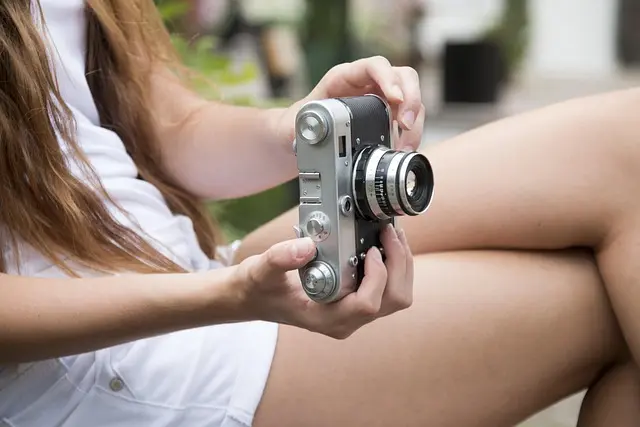
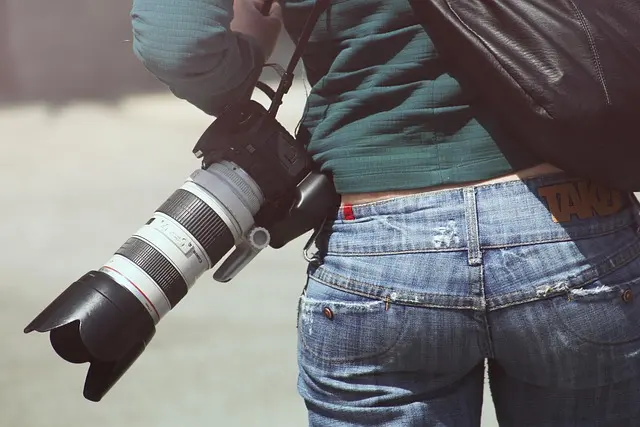
When starting out, investing in the right camera gear is crucial. While many believe that a high-end DSLR is necessary, it's more important to start with what you can comfortably afford. Point-and-shoot cameras, mirrorless systems, or even smartphones can work effectively while you hone your skills. Consider what type of photography interests you — landscapes, portraits, or macro — to guide your choice of gear. As recommended by UFC-Que Choisir, understanding your needs and budget helps in making informed decisions without overspending.
3. Master Composition Techniques
Photographic composition is vital in creating impactful images. Techniques such as the rule of thirds, leading lines, and framing can make your photos visually appealing. For example, placing your subject at the intersection points when applying the rule of thirds often results in a more balanced image. Experimenting with different angles and perspectives can also enhance your composition. A well-composed photograph tells a story and captures the viewer's attention effectively.
4. Experiment with Lighting
Lighting conditions play a significant role in photography. Natural light can create soft and captivating images, while artificial lighting offers more control and flexibility. Start by shooting during the golden hours, shortly after sunrise or before sunset, when the light is warm and diffused. According to research by Les Numériques, utilizing natural light can drastically improve the quality of your photos. Don't shy away from experimenting with different light sources, both natural and artificial, to find your unique style.
5. Develop Your Editing Skills
Post-processing is an integral part of photography. Learning how to use editing software like Adobe Lightroom or Photoshop can help enhance your images. Start by familiarizing yourself with the basic tools such as exposure adjustment, cropping, and color correction. Many photographers find that editing allows them to enhance the emotion and storytelling aspect of a photograph. According to 60 Millions de Consommateurs, even minimal adjustments can significantly improve the final output.
6. Engage with a Photography Community
Becoming part of a photography community can immensely boost your skills and drive. Joining local photography clubs, participating in online forums, or engaging with other photographers on social media platforms can provide valuable feedback and support. Networking can also open up opportunities for collaborative projects and mentorships, which are essential for growth. Remember, photography is not just a solitary process; sharing insights and experiences with fellow enthusiasts can fuel your passion further.
7. Create a Portfolio
As you start to accumulate a body of work, it’s essential to develop a portfolio. This can be a simple website or a physical album showcasing your best photographs. According to statistics from the Photographers' Union, a well-presented portfolio can make a significant difference when seeking work or freelance opportunities. Choose pieces that reflect your personality and photography style, and ensure you keep it updated to reflect your growth.
8. Participate in Workshops and Online Classes
Continuous learning is critical in photography. Consider attending workshops or enrolling in online courses that focus on specific aspects like portraiture, landscape photography, or editing techniques. Engaging with professional photographers can provide insights and tips that will accelerate your learning process. Websites like Skillshare or Coursera offer several resources tailored for beginners looking to enhance their skills.
9. Practice, Practice, Practice
The best way to improve your photography is through consistent practice. Make it a goal to take photos daily or weekly, experimenting with different subjects, techniques, and lighting conditions. Set personal projects or challenges that push you out of your comfort zone. Real-world experience is invaluable and helps you refine your skills over time, aligning with advice from photography experts. Remember, the key to success in photography is perseverance and practice.
10. Reflect and Seek Feedback
After creating your photographs, take the time to reflect on your work. What did you do well? Where can you improve? Seeking constructive feedback from peers or mentors can provide insights that you might overlook. Use this feedback as a stepping stone for future projects. Self-assessment will help you recognize your growth and influence your artistic direction.
📺 Resource Video
> 📺 For further exploration: How to Understand Camera Basics, a deep dive into the essential camera settings for beginners. Search on YouTube: "basic photography techniques for beginners".
Checklist before Getting Started
- [ ] Learn the basics of photography.
- [ ] Choose the right camera gear that fits your budget.
- [ ] Master composition techniques with practice.
- [ ] Experiment with different light sources.
- [ ] Develop editing skills using software tools.
- [ ] Engage with photography communities for support and feedback.
- [ ] Create and curate a personal portfolio.
- [ ] Attend workshops or online photography classes for continuous learning.
- [ ] Practice regularly to hone your skills.
- [ ] Reflect on your work and seek constructive feedback.
Glossary
| Term | Definition |
|---|---|
| Aperture | The opening in a lens that controls how much light enters the camera. |
| Shutter Speed | The length of time a camera's shutter is open, affecting motion blur in images. |
| ISO | The level of sensitivity of your camera to available light, affecting image quality. |
> 🧠 Quick Quiz: What is the rule of thirds in photography?
> - A) A principle in lighting.
> - B) A technique for composition.
> - C) A camera setting.
> Answer: B — The rule of thirds is a composition technique that helps create balanced images.
📺 Pour aller plus loin : basic photography techniques for beginners sur YouTube