Table of Contents (17 sections)
Photography is more than just clicking a button; it’s an art form that tells stories. Whether you’re a beginner wanting to snap great photos or an experienced photographer looking to refine your craft, learning how to build your photography skills is essential. This guide provides detailed, actionable steps for photographers at any level to enhance their skills effectively.
1. Understand the Basics of Photography
What is Photography?
Photography is the art and science of capturing light to create images. It involves understanding various elements, such as exposure, composition, and lighting. Before you can build on your skills, it's crucial to grasp these foundational concepts. For instance, the exposure triangle—ISO, aperture, and shutter speed—determines the brightness and clarity of your images.
Why is it Important?
Understanding these basics allows you to manipulate settings to capture the desired effect. For example, a wider aperture (lower f-stop number) blurs the background, focusing on your subject, while a faster shutter speed freezes motion. Knowing when and how to use these tools will significantly enhance the quality of your photography.
Key Takeaways
- Study the exposure triangle and its components.
- Experiment with settings on your camera to see how they affect your shots.
- Practice in different lighting conditions to understand their influence.
2. Invest in Quality Equipment
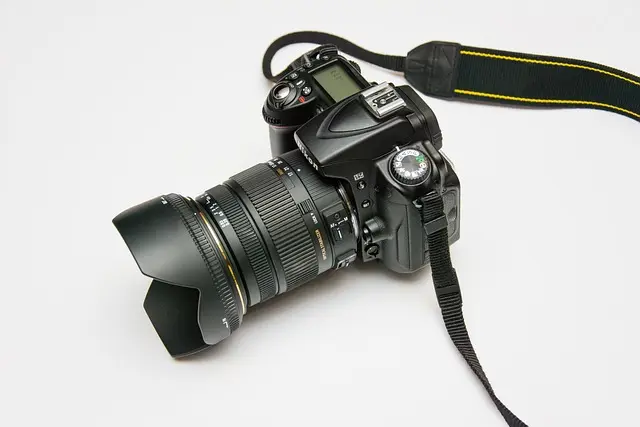
While you can start with a smartphone camera, investing in a dedicated camera can significantly improve your results. Here’s a look at different options:
| Equipment Type | Description | Price Range | Best For |
|---|---|---|---|
| DSLR Camera | Offers versatility and manual controls. | $500 - $3000 | Beginners to professionals |
| Mirrorless Camera | Compact and lightweight with interchangeable lenses. | $600 - $2500 | Travel and street photographers |
| Point-and-Shoot | Easily portable, with automatic settings. | $200 - $1000 | Beginners and casual use |
| Smartphone | Convenient with advanced camera features. | $300 - $1200 | Everyday photography |
3. Master Composition Techniques
Composition is key to creating powerful images. Good composition guides the viewer’s eye and conveys your intended message. Start with these foundational techniques:
Rule of Thirds
Dividing your image into thirds and placing the subject along these lines creates visual interest. For example, if photographing a landscape, place the horizon along the top or bottom third line rather than in the middle.
Leading Lines
Use natural lines in the scene, such as roads or pathways, to lead the viewer’s eye to the main subject. This technique can add depth and dimension to your photographs.
Frame Within a Frame
Look for elements in the environment that can create a frame around your subject, such as doorways or windows. This adds context and depth to your images.
Practice Makes Perfect
Constantly evaluate your compositions by taking multiple shots with different angles and arrangements. Review your work, and identify areas for improvement.
4. Build Your Post-Editing Skills
Post-editing is where you can further enhance your images to match your vision. Familiarize yourself with editing software such as Adobe Lightroom or Photoshop. Here’s how to start:
Learn Key Editing Techniques
- Adjust Exposure: Correcting exposure can make your image pop.
- Color Correction: Adjusting white balance for more natural colors is essential.
- Cropping: Trimming your images can improve composition and eliminate distractions.
Tutorials and Resources
Numerous online platforms offer free resources and courses for photo editing. Websites like YouTube or platforms like Skillshare provide tutorials ranging from beginner to advanced editing skills. Set aside time regularly to practice these techniques on your photographs.
5. Seek Feedback and Critique
Feedback is crucial for growth as a photographer. Join photography communities, both online and offline, where you can share your work and receive constructive criticism. Places to consider:
- Social Media Groups: Platforms like Facebook and Instagram have dedicated photography communities.
- Local Meetups: Attend photography clubs or workshops to meet others and exchange ideas.
- Forums: Websites like Reddit or specialized photography forums allow for more in-depth discussions.
Avoiding Pitfalls: Be open to criticism; it’s an opportunity to improve. Learn to distinguish between helpful and unhelpful feedback, focusing on constructive critiques.
6. Practice Regularly
Just like any other skill, photography requires consistent practice. Establish a routine where you dedicate time to shoot regularly. Consider the following:
- 365-Day Challenge: Commit to taking at least one photo every day. This can broaden your creativity and help you explore different subjects and styles.
- Themed Projects: Focus on specific themes, like architecture or portrait photography, for a month. This can enhance your skills in that area.
- Experimentation: Try out different techniques, styles, and settings without the pressure of a specific outcome.
📺 Resource Video
> 📺 For further insights: How to Improve Your Photography Skills, an exploration into practical photography techniques. Search YouTube for: `