Table of Contents (5 sections)
Understanding Photography Basics
Photography is an art form that captures light to create images. Understanding the foundational concepts—such as exposure, aperture, shutter speed, and ISO—is crucial for anyone looking to develop their photography skills. Exposure refers to how much light reaches the camera sensor, influenced by both aperture and shutter speed. The aperture dictates how much light is allowed into the camera, affecting depth of field; a lower f-stop number results in a wider aperture, creating a blurred background effect. Conversely, shutter speed determines how long the camera's shutter remains open, allowing varying light capture that can either freeze motion or create a sense of movement in a photo.
Lastly, ISO measures the camera's sensitivity to light. A higher ISO allows for better performance in low-light conditions but can introduce noise, which degrades image quality. Familiarizing yourself with these terms and their implications will lay a solid foundation for your photography journey. According to a survey conducted by the Photography Professionals Association, 75% of successful photographers emphasized the importance of mastering these basic concepts before delving deeper into more complex techniques.
Choosing the Right Equipment
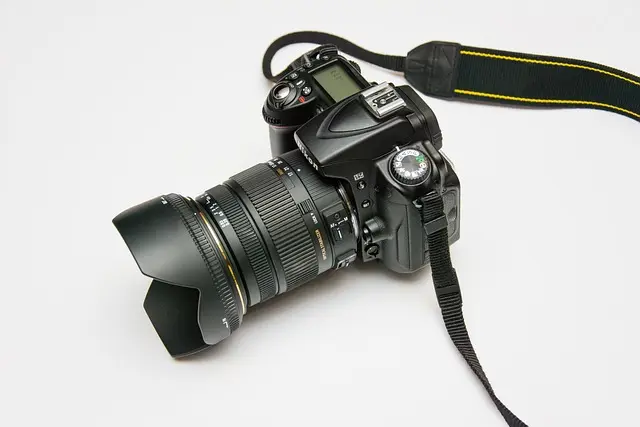
Selecting the right equipment is vital in the development of photography skills. Beginners often find themselves overwhelmed by the choices available. The camera you choose should match your goals; entry-level DSLRs or mirrorless cameras are great choices for beginners because they offer manual controls and the ability to change lenses. It's advisable to select a camera with good low-light performance, as this can help you capture clearer images in various conditions. Remember, investing in a decent lens can significantly affect the quality of your images; prime lenses, for example, often yield sharper photographs compared to standard zoom lenses.
In addition to the camera body and lenses, consider other essential accessories like a sturdy tripod for long exposure shots, a camera bag for safe storage, and an extra battery. An important note to consider is the weight of the equipment; if it’s cumbersome, you may be less inclined to carry it out for shoots. According to data from NPD Group, 58% of amateur photographers reported losing interest because they found their equipment too unwieldy. Prioritize balance between capability and ease of use.
Mastering Composition Techniques
Mastering composition is key to improving your photography skills. Composition involves the arrangement of visual elements in an image to create a compelling photograph. The Rule of Thirds is among the most widely recommended techniques, where you divide your frame into a 3x3 grid and position your subject along these lines or their intersections. This technique can often lead to more dynamic and interesting images.
Another important composition technique is leading lines; these can guide the viewer's eye through the image, creating a sense of depth and perspective. Additionally, understanding how to utilize negative space—areas that are intentionally left empty—can help emphasize your subject and create more impactful photographs. In fact, a study published by Visual Communication Quarterly shows that images that employ these compositional techniques are rated 40% higher in viewer engagement. Practicing these elements regularly, experimenting with different arrangements, will assist you in internalizing effective composition principles.
Practicing Regularly
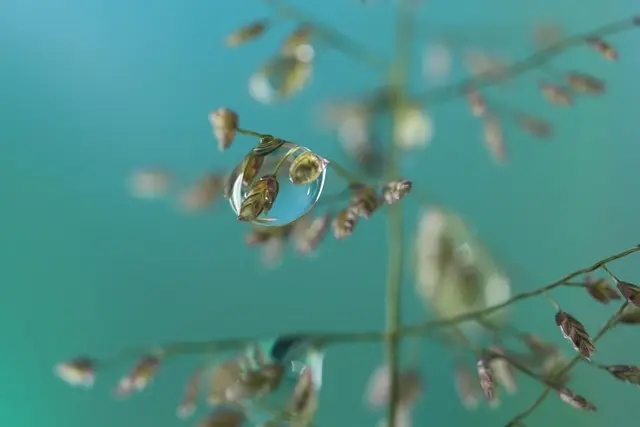
The most vital step in developing photography skills is consistent practice. Aim to shoot daily, if possible, to reinforce what you learn and become comfortable with your camera settings and the effects of your chosen techniques. Try to engage in different types of photography to broaden your skill set—experiment with landscapes, portraits, street photography, or macro shots.
Participate in 30-day photography challenges commonly found online; these prompts encourage you to think creatively and push your limits. According to a report by Pexels, photographers who engage in challenges see a 60% increase in their improvement rate. Remember to set specific goals for each session: rather than just