Table of Contents (13 sections)
Becoming a successful photographer is more than just having a good camera; it requires skill, creativity, and strategic planning. As we navigate the fast-evolving world of photography in 2026, it's essential to adopt a proactive approach. In this article, we will explore seven essential tips to become a photographer that can help you launch your career and avoid common pitfalls.
1. Master the Technical Basics
To become a photographer, understanding the technical aspects of photography is paramount. This includes mastering exposure, shutter speed, aperture, and ISO settings. Each of these elements plays a crucial role in determining how your photos turn out. For example, a wider aperture results in a shallower depth of field, which can create stunning portraits. Consider enrolling in photography courses—many reputable institutions offer online classes. Additionally, practice regularly to reinforce your learning and gain hands-on experience.
2. Develop Your Unique Style
In a saturated market, having a distinct photographic style is essential. Your style sets you apart from others and helps establish your identity as a photographer. Analyze the work of successful photographers you admire, focusing on their use of color, composition, and subject matter. Use this analysis to experiment with your style by shooting various subjects and settings. Over time, you’ll discover what resonates with you artistically, enabling you to carve out a niche in the photography world.

3. Build a Strong Portfolio
Your portfolio is your calling card in the photography industry. Quality matters more than quantity; focus on showcasing your best work. A comprehensive portfolio should include a variety of shots that reflect your skills and unique style, whether it be landscape, portrait, or street photography. Use platforms like Squarespace or Wix to create an online portfolio that is easy to navigate. Including a well-written bio can also help potential clients connect with you on a personal level.
4. Invest in Quality Equipment
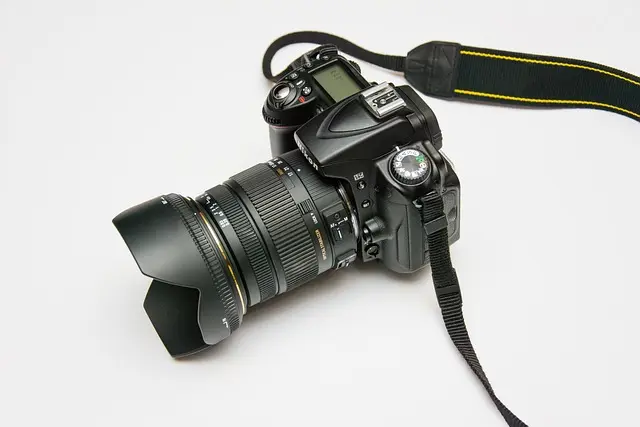
While it's possible to start your photography journey with basic equipment, as you progress, investing in quality gear is crucial. High-quality lenses and cameras can significantly enhance your images. When choosing equipment, consider your needs—such as the type of photography you wish to pursue. Research and compare specifications and reviews to make informed decisions. For those on a budget, renting equipment can also be a viable option.
5. Network and Collaborate with Others
Networking is vital in the photography industry. Attend workshops, seminars, and photography exhibitions to meet like-minded individuals. Joining photography groups or forums online can also open up opportunities for collaboration. Collaborations can lead to increased visibility and access to different audiences. Moreover, building relationships within the industry can lead to referrals and potential job offers.
6. Optimize Your Online Presence
In this digital age, having an online presence is imperative. Utilize social media platforms like Instagram, Facebook, and Pinterest to showcase your work and connect with your audience. Regularly engage with your followers by posting consistent content and sharing behind-the-scenes looks at your shoots. Consider starting a blog where you can share your experiences, tips, and tutorial guides to drive more traffic and establish your authority in photography.
7. Stay Updated on Trends
The photography world is constantly changing, and staying updated on current trends is essential for your success. Follow influential photographers, subscribe to photography blogs, and read photography-related books to keep yourself informed about new techniques and styles. Understanding emerging trends can also help you tailor your work to meet market demands, ensuring your continued relevance in the industry.
📺 Ressource Vidéo
> 📺 For further insights: How to Develop Your Unique Photography Style, a comprehensive analysis of creating a personal style in photography. Search YouTube: "how to develop your photography style 2026".
Conclusion
Embarking on a photography career can be incredibly rewarding when you follow these essential tips to become a photographer. By mastering the technical aspects, developing a unique style, building a robust portfolio, investing in equipment, networking, enhancing your online presence, and keeping up-to-date with trends, you'll be well on your way to establishing a successful career in photography.
Glossaire
| Terme | Définition |
|---|---|
| Aperture | Opening in a lens that controls how much light enters. |
| ISO | Sensitivity of the sensor to light; affects image brightness and noise. |
| Depth of Field | Range of distance within a photo that appears acceptably sharp. |
Checklist before launching your photography career
- [ ] Master the technical basics of photography.
- [ ] Develop and identify your unique style.
- [ ] Build a comprehensive and appealing portfolio.
- [ ] Invest in quality photography equipment.
- [ ] Network and collaborate with other photographers.
- [ ] Establish a strong online presence.
- [ ] Stay updated on current photography trends.
Quiz rapide
> 🧠 Quick Quiz: What is the most important element in photography?
> - A) Quality of the camera
> - B) Photographer's unique style
> - C) Knowledge of technical basics
> Answer: C — Understanding the technical aspects is crucial for effective photography.
📺 Pour aller plus loin : how to develop your photography style 2026 sur YouTube
Recommended products
Selected by our experts
Pai Skincare All Becomes Clear
thedetoxmarket.com
This skincare product helps photographers maintain vibrant skin during long shoots, making it essential for looking your best in front and behind the lens.