Table of Contents (24 sections)
Photography is an art form that allows individuals to capture moments, tell stories, and express emotions through images. For those beginning their journey in photography, mastering essential techniques can significantly enhance your ability to create impactful and visually striking photographs. In this guide, we will explore some fundamental beginner photography techniques that can help you start your creative journey and improve your skills over time.
1. Understanding Exposure
Understanding exposure is crucial for any photographer. Exposure refers to how much light is allowed to hit the camera sensor, fundamentally affecting how an image appears. It involves three main components: aperture, shutter speed, and ISO.
Aperture
Aperture determines how much light enters the lens. It is represented by f-numbers (e.g., f/2.8, f/4, f/16). A lower f-number means a wider aperture, allowing more light and creating a shallow depth of field, which is perfect for portraits or macro photography. On the other hand, a higher f-number means a smaller aperture, resulting in a greater depth of field, ideal for landscapes.
Shutter Speed
Shutter speed refers to how long the camera shutter remains open. Faster shutter speeds (e.g., 1/1000s) freeze motion, making them ideal for capturing fast-moving subjects, while slower speeds (e.g., 1/30s) can create motion blur, resulting in dynamic images.
ISO
ISO measures the sensor's sensitivity to light. A higher ISO (e.g., 1600) is useful in low-light conditions, but it can introduce noise into the image. Beginners should learn how to balance these three settings to achieve the desired exposure.
2. Composing Your Shots
Composition is incredibly important in photography. It refers to how the elements in a photo are arranged to create harmony and appeal. One of the most effective tools for beginners is the Rule of Thirds. Imagine your frame divided into nine equal sections by two horizontal and two vertical lines. Placing your subject along these lines or at their intersections can create a more balanced and engaging image.
Leading Lines
In addition to the Rule of Thirds, using leading lines can guide the viewer's eye through your image. Natural lines found in the environment, such as roads, rivers, or architectural elements, can create pathways that lead towards the focal point of your photograph.
Framing
Using natural frames within your photos can also enhance composition. Trees, windows, or doorways can all act as frames, adding depth and context to your images. This technique not only directs the viewer's attention but also enriches the storytelling aspect of your photographs.


6inch USB LED Video Light Dimmable Ring Lamp for Photography Selfie Live Studio
Darty FR
3. Mastering Lighting
Lighting is arguably the most important aspect of photography. Natural light changes throughout the day, influencing how subjects are illuminated. The best times for photography are typically during the golden hour—the first hour after sunrise and the last hour before sunset—when the light is soft and warm.
Backlighting
Experimenting with backlighting can create dramatic effects. This involves positioning your subject in front of the light source. While this can often lead to silhouettes, it can also create a glowing effect, particularly if the light is diffused through a transparent subject like leaves or hair.
Artificial Lighting
As a beginner, investing in artificial lighting equipment, such as light diffusers or reflectors, can expand your shooting options beyond natural light. Controlled lighting can help you create more professional-looking images, even indoors.
4. Practicing with Different Techniques
To become a proficient photographer, practice is essential. Here are several techniques to incorporate into your routine:
Macro Photography
Explore the world of macro photography by getting up close to subjects such as flowers or insects. This style requires a macro lens or an extension tube to capture intricate details.
Long Exposure
Long exposure photography captures dramatic motion, such as flowing water or star trails. Use a tripod to ensure stability and a slow shutter speed to achieve this effect.
Portraits
Take portrait photography to understand lighting and composition. Experiment with natural light and various angles to capture your subject's personality.
5. Post-Processing Basics
Once you've captured your images, it’s important to learn how to edit and enhance them through post-processing. Familiarize yourself with editing software like Adobe Lightroom or Photoshop. Begin by adjusting basic exposures, colors, and cropping to improve your images. As you progress, you can explore more advanced techniques such as retouching and creating high dynamic range (HDR) images.
Checklist before shooting
- [ ] Check the camera settings (ISO, aperture, shutter speed)
- [ ] Experiment with composition (Rule of Thirds)
- [ ] Ensure proper lighting conditions
- [ ] Practice with different photography techniques
- [ ] Review and edit images post-shoot
Frequently Asked Questions
What equipment do I need to start photography?
You can start with the camera you have, including smartphones. However, a DSLR or mirrorless camera provides greater flexibility for beginners.
How can I improve my photography skills?
The best way to improve is through practice, experimentation, and studying the work of other photographers.
What is the best time to take photographs?
The golden hour, shortly after sunrise or before sunset, provides the most flattering light for photos.
Should I shoot in manual mode?
While automatic modes are helpful for beginners, learning to shoot in manual mode allows for greater creative control over your images.
Glossary
| Terme | Définition |
|---|---|
| Aperture | The opening in a camera lens that controls the amount of light reaching the sensor. |
| Shutter Speed | The amount of time a camera's shutter is open, affecting motion capture. |
| ISO | The sensitivity of the camera sensor to light, influencing exposure and noise levels. |
📺 For further exploration: How to Master Photography Techniques,
explore in-depth techniques essential for every photographer. Search on YouTube: "beginner photography techniques 2026".
📺 Pour aller plus loin : how to master beginner photography techniques 2026 sur YouTube
Recommended products
Selected by our experts
Gb-1 Utility Photography Belt Lens Pouches Case With 4 Metal D-rings
Darty FR
This photography belt is perfect for beginners looking to keep their gear organized and within reach during shoots.
6inch USB LED Video Light Dimmable Ring Lamp for Photography Selfie Live Studio
Darty FR
A versatile ring lamp for photography that helps beginners achieve better lighting in their photos.
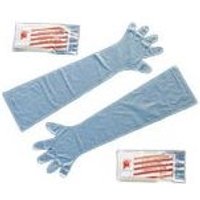
Gants zootechniques El.Cm85 50Pcs
DocMorris FR (ex DoctiPharma FR)
These protective gloves are ideal for handling sensitive photo equipment or subjects in macro photography.