Table of Contents (15 sections)
Entering the world of professional photography is a thrilling journey for many hobbyists. This guide outlines the ten essential steps you need to take to successfully transition into a full-time or part-time photographer.
1. Understand the Industry
Before diving headfirst into professional photography, it’s vital to understand the landscape of the industry. Professional photographers often specialize in various fields, including portrait, commercial, wedding, and product photography. According to recent data, the photography industry has seen steady growth, with event photography remaining in high demand throughout 2026. It's essential to research the styles and niches that interest you most. Understanding current trends, market demands, and potential clients will significantly influence your business direction. Attend photography exhibitions, workshops, or online seminars to gain insight into the latest techniques and evolving consumer preferences. Gather firsthand knowledge and build a foundation to refine your unique style.
2. Develop Your Skills
Skill development is non-negotiable on your journey to becoming a professional photographer. This involves mastering not only photography techniques like lighting, composition, and post-processing but also learning how to effectively communicate and interact with clients. Consider enrolling in formal courses or online programs to deepen your knowledge. In 2026, online education platforms offer a diverse range of photography classes, often taught by industry veterans. Allocating time each week to practice shooting in different environments and utilizing various equipment will refine your skills. Whether you’re capturing landscapes or intimate portraits, consistently experimenting will help you establish your unique vision as a photographer.
3. Build Your Portfolio
A professional portfolio is essential for showcasing your best work. This should reflect your strong points and ideal photography style. Quality matters far more than quantity; include only your best pieces, ideally around 15-20 images that display versatility and creativity. Many photographers use platforms like Flickr, 500px, or their personal websites to share and promote their portfolio. In addition, participating in community events or volunteer opportunities can offer valuable real-world experience and further build your portfolio with diverse projects. Remember, showcasing your work effectively is almost as important as the work itself.
4. Set Up a Business Structure
Transitioning to professional photography requires you to think like a business owner. Register your photography business, which may include selecting a business name, formulating a business plan, and choosing the right legal structure—be it a sole proprietorship or an LLC. Familiarize yourself with necessary permits and licenses in your area to operate legally. Setting up a dedicated business bank account and accounting system will keep your finances organized, maintaining a clear distinction between personal and business expenses. Don’t forget to look into insurance to protect your equipment and liability coverage, as unforeseen events can occur.
5. Market Yourself
Marketing plays a pivotal role in establishing yourself as a professional photographer. In 2026, social media remains a powerful tool for showcasing work and connecting with potential clients. Use platforms like Instagram, Pinterest, and Facebook to build an audience and engage with the photography community. Regularly posting behind-the-scenes content, upcoming events, or client testimonials can enhance your online presence. Additionally, consider implementing Search Engine Optimization (SEO) strategies for your website to help improve your search visibility. Networking at events and collaborating with other professionals can significantly boost your visibility.
6. Create an Online Presence
In today’s digital age, having a professional online presence is essential for photographers. Create a visually appealing website that serves as your portfolio and contact point. Tools such as WordPress or Wix can help you establish a website quickly. Ensure it’s mobile-friendly and showcases your best work clearly. Incorporate an informative blog section to share insights, photography tips, or personal stories, establishing you as an authority in your field. Consistency is key; update your website regularly to keep your audience engaged.
7. Invest in Equipment Wisely
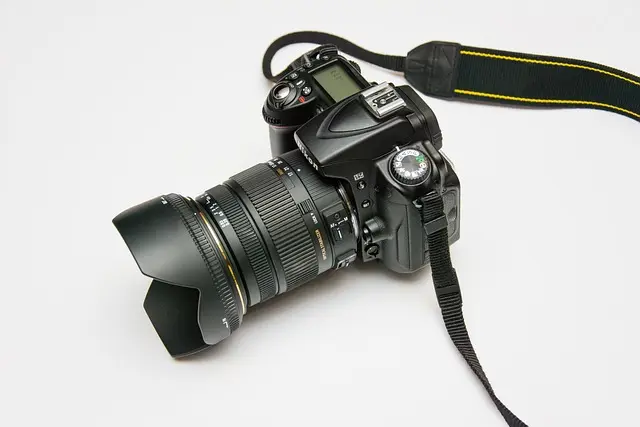
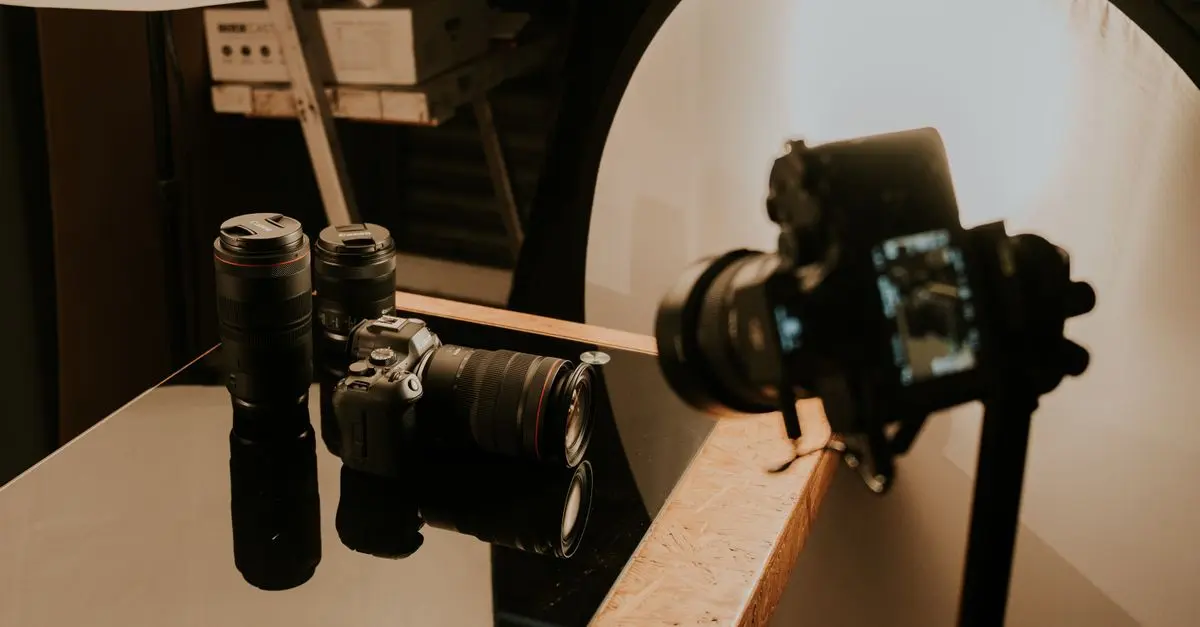
Quality photography equipment is an investment that can substantially influence your work. While it’s tempting to purchase the latest gear, assess your needs strategically. Begin with a good DSLR or mirrorless camera, versatile lenses, and premium editing software. As your business grows, reinvest in advanced tools, ensuring they align with the photography niche you choose. According to recent statistics, investing in high-quality equipment can enhance your portfolio's marketability, leading to better client satisfaction.
8. Build Client Relationships
Successful photography businesses depend on building and nurturing relationships with clients. Effective communication is key—listen to their requirements and provide insights when necessary. Always ensure to deliver on your promises, as client referrals are invaluable. Send follow-up emails after a shoot asking for feedback, and ask satisfied clients for testimonials or to refer you to their networks. Establishing a loyal client base can lead to increased bookings and stable income.
9. Price Your Work Accordingly
Setting prices for your photography services can be challenging. Research industry standards and competitor pricing to ensure your prices reflect your skills and the quality of your work. Offering several package options—like basic, standard, and premium—can cater to various client budgets while allowing you to highlight your services. Regularly assess your pricing strategy as your experience and reputation grow, ensuring they remain competitive.
10. Stay Inspired and Evolve
The journey of a photographer is ongoing; never stop learning and growing. Engage with fellow photographers, take workshops, attend exhibitions, and stay updated on industry trends and technological advancements. Seeking inspiration from other artists, whether in photography or other fields, can spark creativity and innovate your style. Make it a habit to set time aside for personal projects; these can lead to breakthroughs that can enhance your professional offerings.
📺 For Further Exploration:
Check out YouTube for valuable insights on turning your photography hobby into a successful career by searching for "transition to professional photographer 2026."
Checklist Before Your Transition
- [ ] Understand the photography industry and its trends.
- [ ] Develop essential photographic skills.
- [ ] Build and curate your portfolio thoughtfully.
- [ ] Set up a clear business structure.
- [ ] Create and implement a marketing strategy.
Glossary
| Term | Definition |
|---|---|
| Portfolio | A collection of a photographer's best work, used to showcase skills and style. |
| SEO (Search Engine Optimization) | The practice of optimizing a website to rank higher in search engine results. |
| Business Plan | A formal document that outlines the goals, strategies, and financial forecasts of a business. |

Metropolitan Vacuum Cleaner Co., Inc. Professional Car Vacuum and Dryer
sharperimage.com

Metropolitan Vacuum Cleaner Co., Inc. Professional Auto Detailing Vacuum
sharperimage.com
Professional Blender, Commercial Countertop Blenders, 68 oz Glass Jar Blender Combo, Stainless Steel for Frozen Drinks
bedbathandbeyond.com
Quiz Quick Check
> 🧠 Quick Quiz: What is the most important tool for showcasing your photography?
> - A) Social Media
> - B) Portfolio
> - C) Business Card
> Answer: B — A portfolio is essential in presenting your work to clients.
📺 Pour aller plus loin : transition to professional photographer 2026 sur YouTube
Recommended products
Selected by our experts

VEVOR - Blender for Smoothies, 61 oz 1400W, Professional Blender with Powerful Motor, Multi-Functional Food Processing Blender - Dark Gray
bestbuy.com

Professional Dishwasher Door Panel Kit for Viking FDWU524 Dishwasher - Cast Black
bestbuy.com

Professional Dishwasher Door Panel Kit for Viking FDWU524 Dishwasher - Slate Blue
bestbuy.com

Professional Dishwasher Door Panel Kit for Viking FDWU524 Dishwasher - Damascus Gray
bestbuy.com

Professional Dishwasher Door Panel Kit for Viking FDWU524 Dishwasher - Stainless Steel
bestbuy.com