Table of Contents (19 sections)
Starting a photography journey can be exciting yet intimidating, especially when it comes to selecting the right equipment. With countless options available, knowing where to begin is vital. This comprehensive guide will provide you with essential insights into determining which photography equipment every beginner should consider.
Understanding Photography Equipment Basics
Photography is more than just capturing an image; it involves understanding the underlying technology and the components that contribute to high-quality photos. At its core, photography equipment includes the camera, lenses, tripods, and various accessories. Investing in the right equipment can unleash your creative potential and enhance your skills as you learn the craft.
1. The Camera
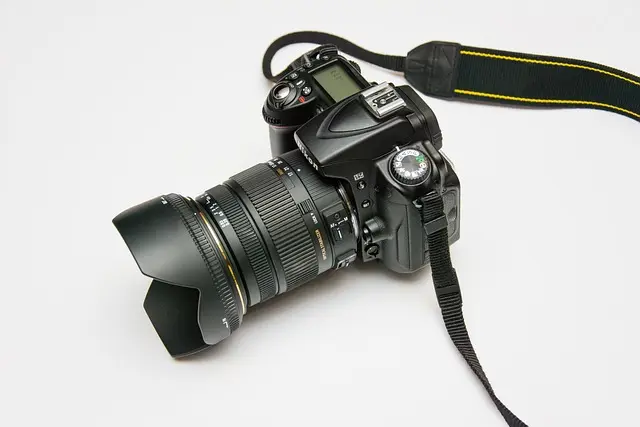
The camera is the heart of your photography gear. Beginners typically choose between two main types: DSLR and mirrorless cameras. DSLRs offer optical viewfinders and interchangeable lenses, providing a classic feel and extensive features. On the other hand, mirrorless cameras are lightweight and compact, boasting advanced technology for speedy shooting and silent capture, making them increasingly popular among novices. According to a report by UFC-Que Choisir, mirrorless cameras account for over 30% of the market share, reflecting a growing trend.
2. Lenses
Selecting the right lens is just as crucial as choosing a camera. Lenses come in various types suited for different scenarios. Prime lenses offer sharp images and wide apertures, perfect for portraits, while zoom lenses provide versatility for capturing different perspectives, ideal for landscapes or events. Additionally, look for aperture values; a lower number means better performance in low light, which can significantly impact the quality of your shots.
Step-by-Step Guide to Choosing Your Photography Equipment
Step 1: Define Your Photography Goals
Before diving into purchasing, it's essential to define your photography goals. Are you interested in landscape photography, portraits, street photography, or wildlife? Your focus will dictate the specific type of equipment you'll need. For example, if you want to photograph landscapes, a wide-angle lens would be beneficial.
Step 2: Research Different Camera Options
Take the time to research various camera brands and models. Read expert reviews and compare specifications such as sensor size, ISO performance, and shooting speed. Websites like Les Numériques provide user reviews and side-by-side comparisons, which can assist you in identifying which camera suits your needs best.
Step 3: Visit a Local Camera Store
Whenever possible, visit a local camera store to get hands-on experience with different models. Feel the weight and ergonomics of the camera; this can greatly influence your comfort and willingness to carry it around. Discuss with staff who can offer personalized insights based on your preferences.
Step 4: Invest in Essential Accessories
Accessories can make a significant difference in your shooting experience. For instance, a sturdy tripod helps with stability during long exposures, while additional batteries ensure you’re prepared for extended shooting sessions. Memory cards should have ample storage; consider cards with higher write speeds for shooting high-resolution images.
Step 5: Consider Lighting Equipment
Lighting plays a crucial role in photography. Beginners should consider investing in basic lighting gear such as speedlights or LED lights. Natural light can be your best friend, but having controlled lighting options expands your creative possibilities. Experimenting with reflectors can also help manipulate light to achieve desired effects.

Soozier Adjustable Steel Seated Calf Raise Exercise Strength Training Gym Equipment, Yellow
aosom.com
Comparing Equipment Options
Here's a comparative analysis of typical beginner photography equipment options, detailing strengths and weaknesses:
| Type | Pros | Cons | Verdict |
|---|---|---|---|
| DSLR | Optical viewfinder, vast lens options | Bulkier, heavier | Great for serious beginners |
| Mirrorless | Compact, faster shooting | Limited lens selection | Ideal for modern shooting styles |
| Prime Lens | Excellent quality, low light performance | Less versatile | Perfect for specialized work |
| Zoom Lens | Versatile for various situations | Generally heavier | Great for all-purpose shooting |
📺 For Going Further:
Check out practical demonstrations on selecting photography equipment. Search on YouTube: “how to choose a camera for beginners 2026”.
Frequently Asked Questions
Q: What is the best camera for beginners?
A: The best camera for beginners typically includes models that strike a balance between ease of use and advanced features. Look for cameras that offer auto modes as well as manual settings to learn as you grow.
Q: Do I really need multiple lenses?
A: While it’s not necessary to have multiple lenses initially, investing in a secondary lens can provide more creative flexibility and allow for different photography styles.
Q: How much should I spend on my first camera?
A: Spending between $500 to $1,000 is a reasonable range for a quality camera that can serve as a reliable companion as you develop your skills without overspending.
Q: What essential accessories should I buy?
A: Essential accessories include a sturdy tripod, extra batteries, and quality lenses tailored to your chosen photography style.
Glossary
| Term | Definition |
|---|---|
| DSLR | Digital Single-Lens Reflex camera, known for versatility and high image quality. |
| Mirrorless | A camera that uses electronic viewfinders instead of optical ones, allowing for lightweight designs. |
| Aperture | The opening in a lens that controls the amount of light hitting the sensor, influencing depth of field.
Checklist before Purchase
- [ ] Define photography goals
- [ ] Research camera models and specifications
- [ ] Test cameras in a store
- [ ] Identify essential accessories needed
- [ ] Evaluate potential lighting options
With the right photography equipment, you can unleash your creativity and embark on a rewarding journey as a photographer. Embrace the learning process and remember that every shot taken contributes to your growth.
Don't forget to check out our recommended products below to kickstart your photography adventure!
📺 Pour aller plus loin : how to choose a camera for beginners 2026 sur YouTube
Recommended products
Selected by our experts
DR Power Equipment Lawn Mower Attachment 1 each
acehardware.com
This lawn mower attachment is crucial for outdoor photographers who may need extensive area maintenance.
Soozier Adjustable Steel Seated Calf Raise Exercise Strength Training Gym Equipment, Yellow
aosom.com
This gym equipment is ideal for photographers who focus on fitness photography, capturing dynamic movements.