Table of Contents (14 sections)
1. Location Scouting: Find the Perfect Spot
To capture stunning landscape photos, identifying the right location is crucial. Experienced photographers often visit a place multiple times, exploring different angles and lighting conditions. Researching online, using apps like Google Earth, and seeking local knowledge can uncover hidden gems. For instance, if you're planning to shoot at a beach, observe the tide charts and sunrise or sunset timings to capture the best colors and reflections.
2. Use the Golden Hour to Your Advantage
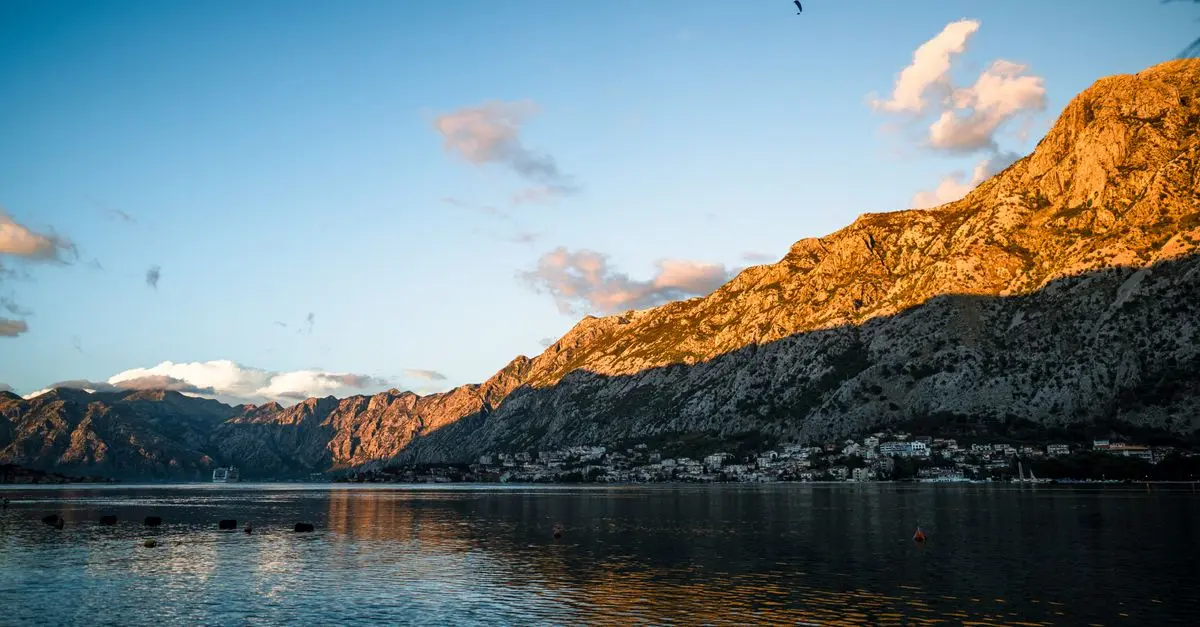
The "golden hour," shortly after sunrise or before sunset, provides soft, diffused lighting that is ideal for landscape photography. This time of day helps avoid harsh shadows and brings out warm hues in the scenery. Professionals often plan their shoots around this natural light phenomena, enhancing the texture and depth of their photos.
3. Master Your Equipment: Know Your Camera Settings
Technical proficiency is essential for great landscape photography. Understanding how to use both manual and automatic settings on your camera is key. Experiment with aperture settings; a small aperture (high f-stop) can help maintain focus on distant objects. Additionally, a reliable tripod can stabilize shots, especially in low-light conditions where longer exposure times are required.
4. Incorporate Foregrounds to Add Depth
For a more dynamic and three-dimensional effect, use elements in the foreground to guide the viewer's eye into the scene. This could be vegetation, rocks, or even water. Experts suggest placing these elements strategically within the frame, using the rule of thirds, to create a balanced composition that draws viewers into the image.
5. Pay Attention to the Weather
Weather conditions can make or break a landscape photo. A dramatic sky with clouds can add mood and character. Clear skies might work well for some scenes but adding clouds can enhance depth. The key is flexibility; sometimes the best shots occur when you adapt to unexpected weather changes.
6. Experiment with Long Exposures
Long exposure techniques can create beautiful effects, such as smooth water or cloud streaks. It requires patience and practice, especially with adjusting shutter speed to achieve the desired effect without overexposure. A neutral density filter can allow for longer exposure times even during daylight, enabling these creative effects.
7. Follow Leading Lines
Leading lines are natural curves or paths within a photograph that guide the viewer's eye. Roads, rivers, fences, or pathways can serve this purpose effectively. Experts use these lines to create a journey within the picture, adding interest and movement.
8. Use Filters for Enhanced Color and Contrast
Polarizing filters can reduce glare and enhance sky contrast, while graduated neutral density filters help balance exposure between a bright sky and darker foreground. Such tools are essential for capturing the true essence of a landscape without post-processing.
9. Capture Movement with Intent
Movement can add life to an image, such as flowing water or swaying trees. Blurring these elements slightly can add an element of time and motion to the photograph, making the scene feel dynamic and alive. Experiment with different shutter speeds for the effect that best suits the mood you wish to convey.
10. Edit Thoughtfully, Enhance Naturally
Post-processing can bring out the best in a photograph without compromising its natural beauty. Programs like Adobe Lightroom or Photoshop allow for adjustments in exposure, contrast, and color balance. The goal is subtle enhancement to convey what the eye sees naturally, avoiding over-editing.
📺 Ressource Vidéo
> 📺 For further inspiration: "Mastering Landscape Photography", explore detailed techniques on YouTube. Search: "landscape photography expert tips".
Glossary
| Term | Definition |
|---|---|
| Golden Hour | The first hour after sunrise and last hour before sunset with ideal lighting conditions. |
| Rule of Thirds | A compositional rule of thumb in photography to create balanced images. |
| Neutral Density Filter | A filter that reduces the amount of light entering the lens without affecting color. |
Checklist for Landscape Photography
- [ ] Scout location and research lighting conditions
- [ ] Check equipment and battery levels
- [ ] Plan shots around the golden hour
- [ ] Use filters for enhanced effects
- [ ] Edit photos to highlight natural beauty
🧠 Quiz rapide : What element can create leading lines in landscape photography?
- A) The sun
- B) Rivers and roads
- C) Rocks
Réponse : B — Rivers and roads naturally guide the viewer's eye within the photograph.