Table of Contents (11 sections)
Photography is an art form that combines technical skill and creative vision. Whether you are a beginner looking to capture memorable moments or an aspiring photographer aiming to hone your craft, understanding how to develop your photography skills is crucial for success. This guide will provide you with practical steps to enhance your ability to take stunning photos.
1. Understand the Basics of Photography
Before you start snapping away, it's essential to grasp the fundamental concepts of photography. Understanding the exposure triangle—shutter speed, aperture, and ISO—is crucial for controlling how light interacts with your sensor. Shutter speed determines how long your camera sensor is exposed to light, affecting motion blur. Aperture controls the size of the lens opening, which impacts depth of field. ISO adjusts the camera's sensitivity to light, influencing image grain.
For beginners, consider starting with a better understanding of camera modes. Use manual mode to get a hands-on feel, or program mode if you're still getting familiar with the basics. Experimenting with different settings will help you learn how changes affect your photos. Additionally, familiarize yourself with common terms, such as composition and lighting direction. This foundational knowledge sets the groundwork for all future skills.
2. Invest in Good Equipment
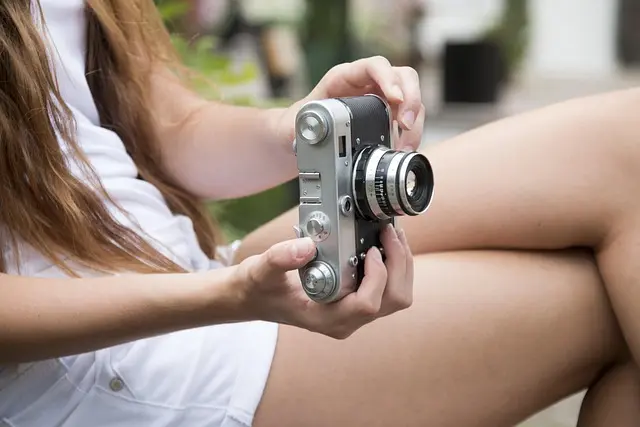
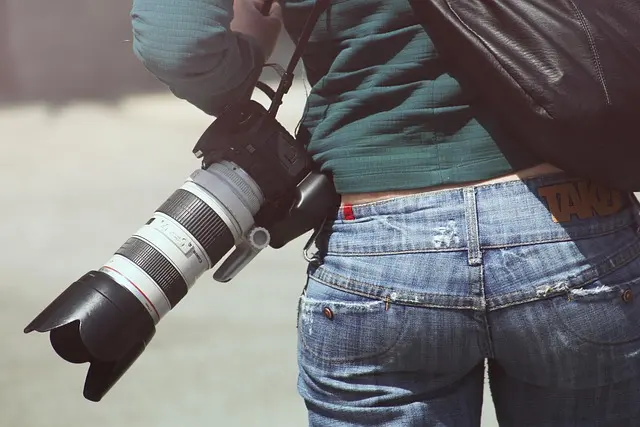
While you can take great photos with any camera, investing in reliable equipment can significantly enhance your photography skills. Start with a DSLR or mirrorless camera that allows for manual settings to give you more control. A decent lens can also make a huge difference; consider a prime lens for portraits or a zoom lens for versatile shooting. According to UFC-Que Choisir, selecting a camera that fits your shooting style and budget is important. Accessories like tripods, filters, and extra batteries can also be beneficial. Before purchasing, understand the types of photography you wish to pursue—landscapes, portraits, or wildlife—and choose equipment accordingly.
3. Practice Regularly
Consistent practice is critical to developing your photography skills. Set aside time each week to take photos and explore different styles. Try shooting in various environments, from busy urban settings to tranquil nature scenes. According to a study by Les Numériques, photographers who practice regularly improve their skills significantly over time. Participate in challenges, like a 30-day photo challenge, to push your creative boundaries. Experiment with different angles, lighting conditions, and subjects; you might be surprised by the results. Finally, review your work critically; identify what worked and what didn’t, which will help you grow.
4. Study Composition Techniques
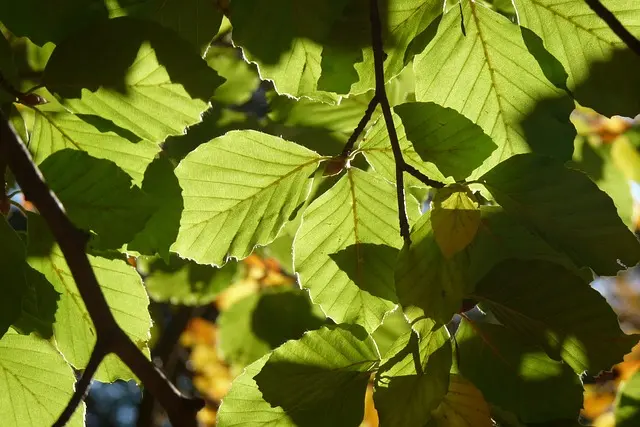
Composition is vital in making your photos visually appealing. Learning and applying composition rules will help you create more balanced and engaging images. Techniques such as the Rule of Thirds, Leading Lines, and Framing can drastically improve how your photos are perceived. Experiment by dividing the frame into thirds and positioning key elements along these lines or points of intersection. Use leading lines to draw the viewer’s eye into the scene. Framing, such as incorporating branches or windows, adds depth and context to your images. Resources like Wikipedia and photography classes (both online and in-person) can provide deeper insights into these techniques.
5. Seek Feedback and Learn from Others
Feedback is essential for improvement. Share your work on platforms like social media, photo-sharing sites, or photography forums and ask for critiques. Engage with fellow photographers to learn different perspectives and techniques. Consider joining local photography clubs or taking formal classes, as many professionals, depending on their teaching style, can provide valuable insights and tips. Learning from more experienced photographers and observing their work can inspire and motivate you. Attend exhibitions or workshops whenever possible to expand your knowledge. Remember to remain open to constructive criticism, as it is a valuable tool for growth.
6. Edit Your Photos
The post-processing stage can enhance your photography dramatically. Familiarize yourself with editing software like Adobe Lightroom or Photoshop to refine your images. Basic adjustments, such as cropping, adjusting exposure, and enhancing colors, can drastically improve your final results. Remember that editing should complement your photography style rather than alter it. For beginners, sticking to light enhancements can be more beneficial than making drastic changes. Explore online tutorials to learn various editing techniques and develop your unique style. When editing, always keep your target audience in mind and what message you want to convey.
7. Stay Updated and Continue Learning
Photography is an evolving art form with new techniques and technologies continually emerging. Follow reputable photography blogs, join workshops, or subscribe to online courses to stay informed about current trends. Participate in online communities or forums, where you can share experiences and learn from others. By engaging in continuous learning, you can keep your skills fresh and adaptable. As photography evolves in 2026, keeping pace with emerging trends like drone photography, AI enhancements, and new software tools can offer fresh ideas and methods for your work.
💡 Expert Opinion: Engaging in regular practice and feedback loops is vital to developing photography skills, not only to understand the technical aspect but also to nurture creativity.
📺 Resource Video
> 📺 For further learning: Mastering Composition in Photography, is a comprehensive analysis of composition techniques. Search on YouTube for: how to improve photography composition.
Glossary
| Term | Definition |
|---|---|
| Aperture | The size of the lens opening, controlling light entry and depth of field. |
| Shutter Speed | The time the camera's sensor is exposed to light, affecting motion blur. |
| ISO | Camera setting that adjusts sensor sensitivity to light, impacting grain. |
Checklist before shooting
- [ ] Understand the exposure triangle
- [ ] Familiarize with the camera functions
- [ ] Prepare your gear and backup batteries
- [ ] Create a shot list or plan for your session
- [ ] Set up the right lighting or time of day
| Tips | **No. | No.** | No. | No. | |||
|---|---|---|---|---|---|---|---|
| Emphasize Depth of Field | Ensure subject focus is clear | Utilize Natural Light | Shoot during golden hour for softer light | Experiment with Perspectives | Vary your angles and heights | Research Location in Advance | Scout potential shooting spots |
📺 Pour aller plus loin : how to improve photography composition sur YouTube