Table of Contents (10 sections)
Photography is not just about taking pictures; it's an art form that requires skill, creativity, and understanding of the craft. The journey of becoming a photographer can be incredibly rewarding but also challenging. In this guide, we’ll explore the essential steps on your road to building a successful photography career.
1. Understand the Basics of Photography
Before delving into the world of photography, it’s essential to grasp the fundamental principles that govern the craft. Photography revolves around the interplay of light and shadow, composition, and the technical aspects of camera settings. Here are a few key concepts to master:
- Exposure: Understanding exposure is crucial—it determines how light or dark your image appears. It is affected by ISO, aperture, and shutter speed.
- Composition: Good composition guides the viewer’s eye. Familiarize yourself with the rule of thirds, leading lines, and framing to create visually appealing images.
- Lighting: Lighting can make or break a photograph. Learn how to use natural and artificial light to your advantage.
Investing in good resources, such as online courses from sites like Udemy or books from recognized photographers can help you solidify your knowledge. Practicing these basics will lay a solid foundation for your photography journey. Avoid the pitfall of rushing into complex techniques before mastering the fundamentals—take your time.
2. Choose Your Niche
Photography is a vast field, and selecting a niche can be pivotal for your career. Specializing allows you to hone your skills and market yourself effectively. Some popular niches include:
- Portrait Photography: Capturing individuals or groups, focusing on expression and personality.
- Event Photography: Covering significant events like weddings or corporate functions.
- Commercial Photography: Focuses on product photography, advertising, and branding.
- Wildlife Photography: Involves photographing animals in their natural habitat, often requiring patience and keen observation skills.
By choosing a niche, you can create a portfolio that reflects your strengths and interests. Research current trends in your chosen niche; this will help you stay relevant and sought-after in a competitive market. According to data from the Bureau of Labor Statistics, photographers who establish a clear specialty often see more job opportunities and better pay.
3. Build Your Portfolio
A strong portfolio is your visual resume, showcasing your skills and style to potential clients and employers. Here’s how you can build an impressive portfolio:
- Diversity of Work: Include a variety of images that highlight your range. Different subjects, styles, and techniques will demonstrate your versatility.
- Quality Over Quantity: It’s better to have a few outstanding images than many mediocre ones. Choose your best work that truly represents your skills.
- Curate and Update Regularly: As you grow, your portfolio should evolve. Regularly review and replace older images with recent work that better represents your current level of expertise.
Avoid common mistakes, such as presenting too many similar images or neglecting to include essential details about each shot, like where it was taken, your role in the project, and any challenges faced. Remember, a well-curated portfolio can significantly increase your chances of getting hired.
4. Invest in the Right Equipment
While skill is paramount, the right equipment can enhance your photography. Depending on your niche, here’s what you might need:
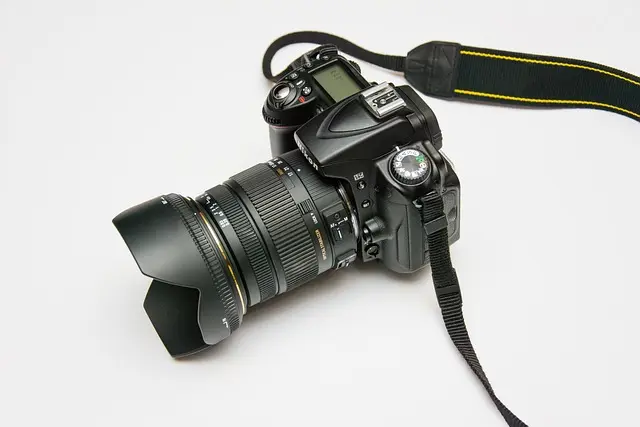
- Cameras: A good DSLR or mirrorless camera gives you the flexibility and quality needed for professional photography. Canon, Nikon, and Sony are industry standards.
- Lenses: Different lenses serve various purposes. Portrait photographers may prefer 50mm or 85mm lenses, while wide-angle lenses are ideal for landscape photographers.
- Accessories: Tripods, lighting kits, and reflectors can also significantly improve your photography.
Budgeting for your gear is essential. Invest in quality, but be mindful not to break the bank upfront; you can gradually build your kit as your skills develop. Remember to avoid the mistake of over-prioritizing equipment over skill development. Ultimately, your vision and technique matter more than the latest gear.
5. Market Yourself Effectively
Once you've built your skills and portfolio, it’s time to market yourself. Here are practical strategies:
- Create a Website: A professional website is vital for showcasing your portfolio and providing contact information. Make sure it’s easy to navigate and visually appealing.
- Utilize Social Media: Platforms like Instagram, Facebook, and Pinterest are great for sharing your work. Engage with your audience and utilize hashtags to reach a wider group.
- Networking: Attend photography workshops, exhibitions, and local meetups. Building relationships with other photographers and potential clients can lead to new opportunities.
For effective marketing, track your engagement with different platforms to better understand where your audience is most active. Avoid spamming—quality interactions can foster deeper connections compared to frequent, shallow posts.
📺 For Further Learning:
> Check out “How to Start Your Photography Journey”, an in-depth analysis on YouTube for tips and guidance. Search for: tips for becoming a photographer.
Checklist for Aspiring Photographers
- [ ] Understand basic photography concepts
- [ ] Select a niche to specialize in
- [ ] Create and curate a powerful portfolio
- [ ] Invest in quality photography equipment
- [ ] Develop a marketing strategy to showcase your work
Glossary
| Term | Definition |
|---|---|
| Exposure | The amount of light that reaches the camera sensor. |
| Aperture | The opening in a lens that controls the amount of light. |
| Shutter Speed | The length of time the camera shutter is open to expose light. |
> 🧠 Quick Quiz: What is the most crucial aspect of taking a photo?
> - A) Composition
> - B) Lighting
> - C) Camera brand
> Answer: B — Proper lighting can dramatically enhance the quality of your photograph.
Conclusion
Becoming a photographer is a journey that combines skill, passion, and business acumen. Embrace continuous learning, stay adaptable, and most importantly, enjoy the artistic process. Ready to capture your first masterpiece? Start today!
📺 Pour aller plus loin : tips for becoming a photographer sur YouTube