Table of Contents (9 sections)
Photography is not just an art; it's a way to express your perspective and capture moments that tell stories. If you've ever been curious about how to get started as a photographer, you're in the right place. This guide will walk you through the essential steps to embark on your photography journey, covering everything from choosing the right equipment to mastering the basics of composition.
1. Understand the Basics of Photography
Before you dive into photography, it’s crucial to grasp some fundamental concepts. Exposure, aperture, shutter speed, and ISO are the four pillars of photography that affect how your images turn out.
- Exposure refers to the amount of light that reaches your camera sensor. A well-exposed photo strikes a balance between shadows and highlights.
- Aperture affects the depth of field—the wider the aperture, the more blurred the background appears, which is excellent for portraits.
- Shutter Speed controls how long the camera’s sensor is exposed to light. Faster shutter speeds capture action without blur, while slower speeds are great for low-light situations.
- ISO measures the sensitivity of your camera sensor to light; higher ISOs are beneficial in darker settings but can introduce noise.
To get the most out of your photography, you should familiarize yourself with these settings. Many beginner-friendly cameras have tutorial modes to help. Practice is key to mastering these concepts. Consider shooting in manual mode to truly understand how each element interacts.
2. Choose the Right Equipment
When considering how to get started as a photographer, selecting the right equipment can seem daunting. However, it doesn't have to be complicated. Here are a few essential items to consider:
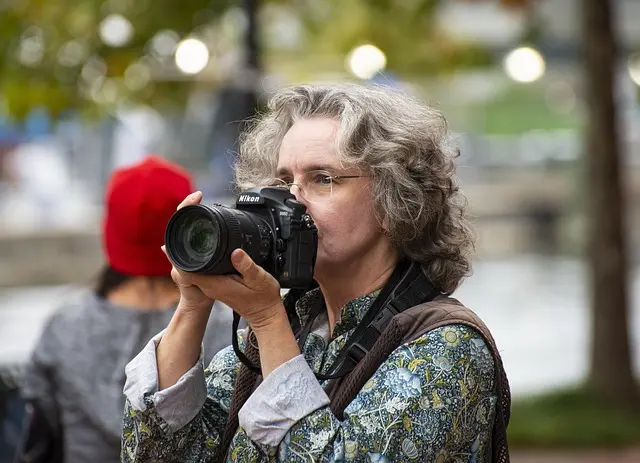
- Camera: You can start with a basic DSLR or mirrorless camera. Look for entry-level models from brands like Canon, Nikon, and Sony that offer user-friendly interfaces and good autofocus systems.
- Lenses: A versatile lens, such as a 50mm f/1.8, is often recommended for beginners due to its affordability and ability to create beautiful portraits.
- Tripod: A sturdy tripod can help steady your camera for long exposures and improve sharpness in your shots.
- Editing Software: Familiarize yourself with editing software like Adobe Lightroom or Photoshop to enhance your photos post-capture.
Be cautious about overspending on equipment at the start. Focus on learning how to use what you have before considering more advanced gear. It’s common for beginners to upgrade prematurely without mastering their initial set-up.
3. Master Composition Techniques
Composition plays a vital role in photography and can significantly affect the storytelling of your images. To get started as a photographer, it’s essential to learn some basic composition techniques:
- Rule of Thirds: Divide your frame into a grid of nine squares and place key elements along the lines or at the intersections. This helps create a more balanced image.
- Leading Lines: Utilize natural lines in your environment to guide the viewer’s eye through the photo.
- Framing: Use elements within your scene, such as trees or windows, to frame your subject; this adds depth to your images.
- Negative Space: Leaving areas of emptiness around your subject can help draw attention to the main focal point.
Incorporate these techniques into your practice sessions. Analyze your photos afterward to see which aspects worked well and which didn’t. Understanding composition early on will elevate your photography skills and help in various genres.
4. Practice Regularly
There’s no substitute for real-world practice when learning photography. Set a goal to take photos regularly, whether it be daily or a few times a week. Here are some tips on how to integrate practice into your routine:
- Set Daily Challenges: Allocate each day a specific theme, such as portrait, landscape, or street photography. This encourages versatility.
- Join Photography Groups: Engage with local photography clubs or online communities to participate in challenges and receive constructive feedback.
- Experiment with Styles: Don’t limit yourself to one style or genre. Try different subjects, from macro shots of nature to street photography, to find what resonates with you.
Practicing not only helps refine your skills but also builds confidence. You might also consider keeping a photography journal to track your progress, noting down what works and areas you want to improve.
5. Learn from Others
As you embark on your photography journey, it’s important to learn from more experienced photographers. Here are effective ways to do so:
- Follow Photographers: Instagram and other social media platforms are filled with talented photographers. Follow diverse styles to understand different perspectives.
- Watch Tutorials: YouTube is a treasure trove of photography tutorials. You can find everything from camera settings to editing techniques covered in-depth.
- Read Books and Blogs: There are countless resources available. Books by renowned photographers often provide valuable insights into their creative processes.
Learning from others accelerates your growth. Be open to feedback and constructive criticism; it can provide new perspectives and strategies to apply to your own work.
📺 Resource Video
> 📺 For further exploration: How to Choose Your First Camera for Photography, a complete analysis of what features to look for. Search on YouTube: beginner photography camera guide 2026.
Checklist before Getting Started:
- [ ] Understand the basics of exposure, aperture, shutter speed, and ISO
- [ ] Choose a beginner-friendly camera and essential gear
- [ ] Familiarize yourself with composition techniques
- [ ] Set a regular practice schedule
- [ ] Engage with other photographers for feedback
Glossary
| Terme | Définition |
|---|---|
| Aperture | The opening in a camera lens, affecting light and depth of field. |
| Shutter Speed | The length of time the camera shutter is open, controlling motion blur. |
| ISO | The camera's sensitivity to light; affects image brightness and noise. |
> 🧠 Quick Quiz: What is the Rule of Thirds in photography?
> - A) A method to adjust camera settings
> - B) A composition technique to balance elements
> - C) A lens type for portraits
> Answer: B — The Rule of Thirds is a composition technique that results in balanced and engaging photos.
📺 Pour aller plus loin : beginner photography camera guide 2026 sur YouTube