Table of Contents (11 sections)
Starting a photography career can be an exciting yet daunting endeavor. Whether you're passionate about portrait photography or landscape shots, there are structured steps you can take to establish yourself in this competitive field. Here’s a comprehensive guide to building a successful photography career from the ground up.
1. Find Your Niche and Style
Identifying Your Niche: The first step in your photography career is to discover your niche. What type of photography excites you? Common niches include portrait, wedding, fashion, wildlife, and product photography. Knowing your passion will help you focus your efforts, develop your skills, and market yourself effectively.
Developing Your Style: Once you've identified your niche, work on developing a distinctive style that sets you apart. Explore what inspires you — look at the work of Ansel Adams for landscapes or Annie Leibovitz for portraits. Experiment with different techniques, angles, and editing styles until you find what resonates with you.
Common Mistakes to Avoid: A common pitfall is trying to imitate other photographers instead of developing your unique voice. Aim to cultivate an original style that reflects who you are as an artist.
2. Invest in Quality Gear
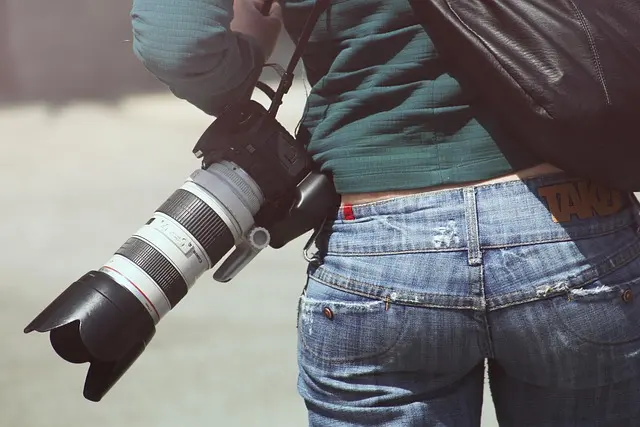
Essential Equipment: Investing in quality gear is pivotal when starting out. A good DSLR or mirrorless camera is essential, alongside a versatile lens that suits your niche. For example, a 24-70mm lens is fantastic for portraits and landscapes. Don't forget to invest in accessories like tripods, lighting equipment, and editing software.
Budgeting for Equipment: While it's tempting to buy high-end cameras, remember that skill trumps equipment quality initially. Start with what you can afford and gradually upgrade as your skills and income grow. According to NPD Group, the average photographer spends about $1,300 on equipment in the early years of their career.
Expert Tip: Rent equipment before purchasing. Many photography rental services provide a range of equipment, allowing you to test before making a commitment.
3. Build Your Portfolio
Creating a Strong Portfolio: Your portfolio is your calling card in the photography world. Aim to include a variety of work that showcases your best pieces, ideally tailored to your niche. Include 10-15 high-quality images that highlight your unique style and skill set.
Online Presence: Utilize platforms like Instagram, Flickr, and a personalized website to display your portfolio. Social media is crucial for photographers, as it provides a platform to gain visibility and connect with potential clients.
Common Pitfalls: Avoid including too many photos in your portfolio. Quality over quantity is essential. Clients often prefer a smaller selection of outstanding work rather than a larger number of mediocre shots.
4. Networking and Marketing
Networking: Building relationships is critical in the photography industry. Attend local photography meetups, workshops, or exhibitions to connect with fellow photographers and potential clients. Don't be shy; introduce yourself and share your work.
Effective Marketing Strategies: Use social media to your advantage. Regularly share your photography, engage with your followers, and consider creating a blog to share photography tips and insights. According to Statista, 77% of professional photographers use social media for marketing.
Common Mistakes: Failing to follow up with contacts can jeopardize networking efforts. After events, send a quick email to reiterate your conversation and express your appreciation to those you met.
5. Establish Your Business
Setting Up Your Photography Business: Once you’ve gained experience, consider formalizing your operations. Choose a suitable business name and register it. Determine whether you’ll operate as a sole proprietor or form an LLC for liability protection.
Legal Considerations: Be sure to understand local laws regarding photography permits, copyrights, and contracts for clients. It’s advisable to consult a lawyer to ensure you start on solid legal footing.
Common Pitfalls: Skipping legal formalities can lead to issues down the line. Ensure you have contracts for your services, clearly outlining deliverables and payment terms.
6. Continuous Learning and Adaptation
Staying Current: The photography field is continuously evolving, with new techniques, gear, and trends emerging regularly. Invest time in continued education through workshops, online courses, or photography books.
Feedback Loop: Actively seek feedback from clients and peers to improve your skills. Analyzing critique can provide valuable insights into areas where you can grow.
Common Mistakes: Becoming complacent can halt your growth. Always be open to learning and adapting to industry changes.
Checklist for Building Your Photography Career
- [ ] Identify your niche and personal style
- [ ] Invest in quality camera equipment
- [ ] Build a diverse and strong portfolio
- [ ] Network with fellow photographers
- [ ] Establish your business and legal framework
- [ ] Commit to continuous learning
📺 For further inspiration: [How to Launch Your Photography Business],
dedicated to beginners in the photography field. Search on YouTube: how to build a photography career 2026.
Glossary
| Term | Definition |
|---|---|
| Niche | A specialized segment of the market for a particular kind of product or service. |
| Portfolio | A collection of works that showcases a photographer's style and abilities. |
| Networking | Building professional relationships that can lead to business opportunities and collaborations. |
Quick Quiz
> 🧠 Quick Quiz: Which of the following is most crucial for a new photographer?
> - A) Expensive gear
> - B) Networking
> - C) A large portfolio
> Answer: B — Networking helps you connect with clients and peers.
📺 Pour aller plus loin : how to build a photography career 2026 sur YouTube