Table of Contents (12 sections)
Becoming a photographer is an exciting journey that enables you to capture moments, express creativity, and connect with the world visually. Whether you dream of becoming a professional or simply want to improve your skills for personal enjoyment, this guide will outline the essential actions to kickstart your photography journey.
Understanding Photography
In its essence, photography is the art of capturing light to create images that tell a story or evoke feelings. The importance of understanding photography cannot be overstated, especially in a world where visual content reigns supreme. With over 1.5 billion photographs posted daily on platforms like Instagram, understanding the nuances of photography is vital to stand out.
The capacity to capture and convey emotion through images enables photographers to forge connections, communicate ideas, and inspire change. If you’re looking to become a photographer, you should first familiarize yourself with various photography styles—such as portrait, landscape, and product photography—as each caters to different audiences and purposes.

boohoo Femmes Plus Woven Floral Ruched Midi Dress Becomes "robe Midi a Fleurs Tissees et Froncee Plus"
Boohoo.com FR

Getting Started with Gear
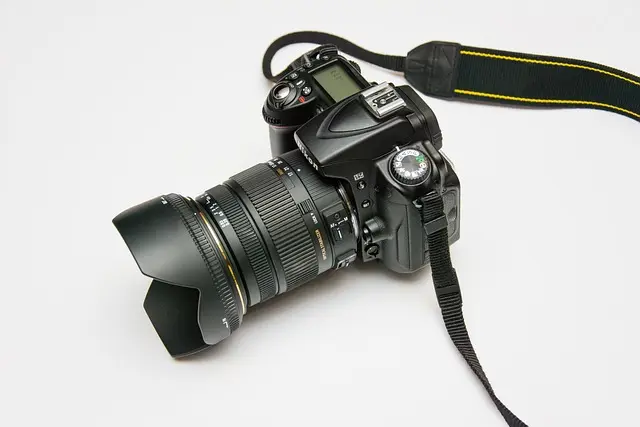
One of the most critical aspects of beginning your photography journey is selecting the right equipment. While it may be tempting to splurge on high-end gear, it's essential to understand that great photography is more about skill than equipment. For beginners, a decent DSLR or mirrorless camera can suffice, along with a versatile lens that allows for a variety of shots.
In addition to the camera, other accessories such as tripods, extra batteries, and a camera bag are crucial. Professional photographers often recommend investing in lenses and lighting equipment suited to your specialized interests, which is why we have curated a selection of products that cater to different photography needs. Remember, you don’t need to buy everything right away; you can gradually build up your kit as your skills and interests develop.
Learning the Basics
Once you have your gear, it's time to learn the fundamentals of photography. Understanding exposure triangle—aperture, shutter speed, and ISO—is crucial in manipulating light and ensuring stunning images. The interplay between these elements influences your photos significantly, allowing for creativity in various shooting conditions.
Additionally, studying composition techniques, such as the rule of thirds, leading lines, and framing, will enhance your photographic storytelling. Online courses, tutorials, and local photography clubs can provide invaluable resources for learning. Investing time in these foundational aspects will pay dividends as you evolve in your craft. Seek constructive feedback from fellow enthusiasts or professionals to refine your skills further.
Practicing and Experimenting
The best way to improve in photography is through consistent practice. Don’t hesitate to experiment with different styles, subjects, and techniques. Try shooting during golden hour—the time shortly after sunrise or before sunset—to take advantage of the natural lighting that enhances your images.
Pro Tip: Set yourself mini-projects, like completing a 30-day photography challenge or focusing on a specific theme each week. This will push you out of your comfort zone and encourage creativity. Remember, practice doesn’t just make perfect; it fosters growth and discovery.
Building Your Portfolio
As you hone your skills, start assembling a portfolio showcasing your best work. A strong portfolio not only highlights your abilities but also reflects your unique perspective as a photographer. Choose images that convey your style, whether it’s vibrant landscapes, intimate portraits, or captivating street photography.
Consider creating an online presence by developing a website or utilizing social media platforms to share your portfolio. Engaging with a broader audience and receiving constructive feedback will significantly impact your development. Experts note that consistency in showcasing your work helps potential clients understand your style and capabilities.
Networking and Brand Development
Networking is essential in the photography industry. Attend workshops, exhibitions, and meet-ups to connect with fellow photographers and industry professionals. Building a support system can lead to collaboration opportunities and mentorships, helping you navigate your career as you aspire to become a photographer.
Moreover, developing your brand is crucial for standing out in a crowded market. Think about what makes your photography unique and how you can convey that to your audience through your website, social media, and business cards. Consistency in your branding will help you create an identifiable presence in the photography world.
Staying Inspired and Innovating
Photography is an ever-evolving art form, so it’s important to stay informed about trends, techniques, and innovative styles. Invest time in looking at the works of other photographers and exploring new genres to keep your creativity flowing. Consider subscribing to photography magazines and engaging with online communities to exchange ideas and stay motivated.
Recommended Resources
Explore free tutorials on platforms like YouTube, where creatives share their processes and insights. Additionally, don’t hesitate to join photography workshops that offer hands-on experiences to elevate your skills.
Checklist for Aspiring Photographers
- [ ] Invest in versatile camera gear.
- [ ] Learn and understand the exposure triangle.
- [ ] Experiment with different styles.
- [ ] Build a strong portfolio showcasing your best work.
- [ ] Network with other photographers and potential clients.
- [ ] Stay updated with photography trends.
💡 Expert Opinion: “Photography is all about the story you want to tell, so embrace your unique vision and let it shine through your photographs.”
📺 For further exploration:
Check out the art of storytelling in photography on YouTube, where you will find a comprehensive analysis of how to communicate effectively through your images. Search for “photography storytelling techniques.”
Glossary
| Term | Definition |
|---|---|
| Aperture | The opening in a lens that controls the amount of light entering the camera. |
| ISO | A camera setting that controls how sensitive the sensor is to light. |
| Shutter Speed | The amount of time the camera's shutter is open to expose light to the sensor. |
---
📺 Pour aller plus loin : photography storytelling techniques sur YouTube
Recommended products
Selected by our experts
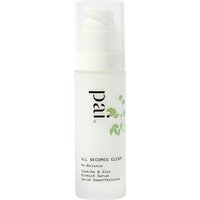
Sérum anti-imperfections All Becomes Clear - PAI
Blissim FR
This serum is excellent for photographers who want to maintain healthy skin while working long hours outdoors or in various lighting conditions.
boohoo Femmes Plus Woven Floral Ruched Midi Dress Becomes "robe Midi a Fleurs Tissees et Froncee Plus"
Boohoo.com FR
This stylish dress can be worn during photo shoots or events, helping photographers maintain a professional appearance.
Pai Skincare All Becomes Clear
thedetoxmarket.com
This skincare product supports photographers in dealing with skin stress caused by environmental conditions.