Table of Contents (14 sections)
Becoming a photographer is more than just having a camera. It involves mastering a variety of skills that enable you to capture stunning images, communicate effectively with clients, and market your work. This guide explores the essential skills required for anyone aspiring to thrive in the photography industry.
1. Understanding of Photography Basics
A solid grasp of the fundamentals of photography is crucial for all aspiring photographers. This includes knowledge of exposure, composition, lighting, and the exposure triangle (aperture, shutter speed, and ISO). For instance, understanding how to manipulate these elements allows photographers to create images that convey specific moods and messages. According to research from Photofocus, beginners who focus on learning these basics tend to produce higher quality work more quickly.
2. Mastering Composition Techniques
Composing a photograph goes beyond simply centering the subject. Aspiring photographers must familiarize themselves with various composition techniques such as the rule of thirds, leading lines, and framing. These techniques enable visual storytelling, drawing the viewer’s eye to the focal point of the image. For example, using leading lines in landscape photography can guide the viewer towards the horizon, creating depth and intrigue in the photo. Understanding how to frame a shot effectively can dramatically enhance the impact of the image.



3. Post-Processing Skills
In today's digital age, post-processing is a vital skill for photographers. Familiarity with software such as Adobe Lightroom or Photoshop allows photographers to enhance their images further. This involves adjusting exposure, contrast, color correction, and more. A study by Adobe indicates that nearly 80% of professional photographers cite editing as a significant part of their workflow. Learning post-processing techniques can elevate the quality of your photographs, making them stand out in a competitive market.
4. Technical Proficiency with Equipment
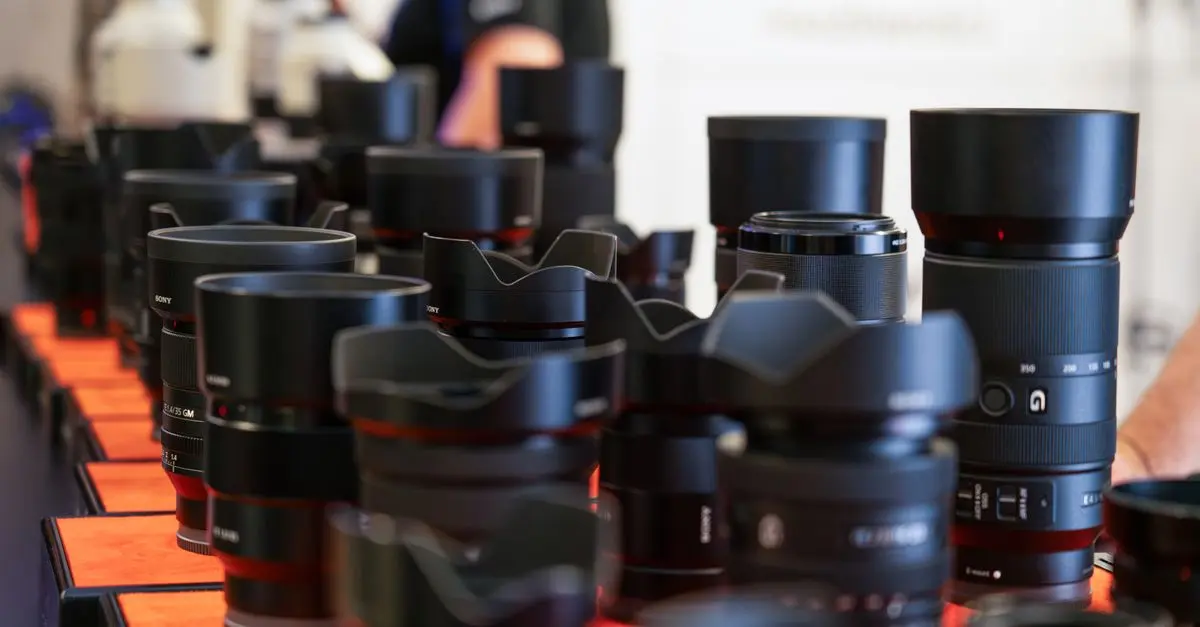
A successful photographer needs to be proficient with various photographic equipment, including cameras, lenses, tripods, and flash units. Understanding the features and capabilities of your gear allows you to choose the right equipment for specific situations. For example, knowing when to use a wide-angle lens can help capture expansive landscapes, while a prime lens can be better for portraits due to its superior depth of field. Understanding this equipment empowers photographers to push their creative boundaries.
5. Effective Communication Skills
Photography is not just about taking pictures, but also about working with clients and subjects. Effective communication is essential for understanding client needs, managing expectations, and providing a positive experience. This can involve everything from being able to explain your creative vision to effectively directing models during a shoot. A reported 63% of photographers highlight communication as key in managing successful client relationships. Being articulate and professional can enhance your reputation and client satisfaction.
6. Marketing and Personal Branding Skills
In an industry teeming with talent, marketing and personal branding are essential skills that every photographer should develop. Understanding how to position yourself in the market, build a portfolio, and utilize social media to reach wider audiences is crucial for success. According to Social Media Examiner, 85% of photographers find clients through social networking. Building a compelling brand identity can also differentiate you in a saturated market, making it easier for clients to choose your services.



7. Networking and Relationship Building
Building connections with other professionals can be incredibly beneficial for photographers. Networking opens doors to potential collaborations, job opportunities, and client referrals. Engaging in local photography groups or attending industry-related events can help create a supportive community. Statistics from U.S. Small Business Administration show that 70% of jobs are found through networking. Therefore, developing strong professional relationships is integral to long-term success in photography.
8. Adaptability and Flexibility
The photography landscape is ever-evolving with advances in technology and trends. Successful photographers must stay adaptable and open to new techniques, styles, and equipment. For instance, the rise of drone photography and smartphone photography has shifted how many professionals capture images. According to a report by DPreview, approximately 30% of photographers have integrated drone technology into their work. Embracing change can set you apart from competitors who resist evolving.
📺 Resources Video
> 📺 For further learning: Explore comprehensive photography tips and techniques. Search on YouTube: "essential photography skills 2026".
Glossary
| Term | Definition |
|---|---|
| Exposure Triangle | The interrelated settings of aperture, shutter speed, and ISO that control light in photography. |
| Post-Processing | The manipulation of images using software to enhance or alter photographs after the initial capture. |
| Composition | The arrangement of elements in a photograph that affects its aesthetic value and message. |
Checklist before you start photographing
- [ ] Understand basic photography principles
- [ ] Learn composition techniques
- [ ] Familiarize yourself with editing software
- [ ] Practice using your equipment
- [ ] Develop your communication skills
- [ ] Create a marketing strategy
- [ ] Network with other photographers
- [ ] Stay adaptable to industry changes
💡 Note: As you embark on your photography journey, remember that each of these skills will take time to master. With practice and dedication, you'll find your unique style and voice within the industry.
Recommended Photography Products
- {
Recommended products
Selected by our experts