Table of Contents (11 sections)
Starting your journey in photography can be exhilarating yet overwhelming. Knowing how to select the right photography gear for beginners is crucial to help you capture beautiful images while feeling comfortable with your equipment. In this tutorial, we will navigate through the essential steps to choosing suitable equipment for novice photographers like you.
1. Understand Your Photography Goals
Before diving into purchases, define what you want to achieve with photography. Are you interested in landscapes, portraits, or maybe street photography? According to a survey by UFC-Que Choisir, 58% of beginner photographers have specific genres they gravitate toward, which significantly influences their choice of gear. For instance, if you fancy portrait photos, a good camera with a prime lens can be vital, while landscape photography might need wide-angle lenses alongside a sturdy tripod.
Understanding your goals tailors the equipment selection to meet your specific needs and aspirations. Take the time to write down your intended styles, as this will guide your decision-making process.
2. Start with a Solid Camera Body
Choosing the right camera body is critical. For beginners, DSLRs and mirrorless cameras are the most common choices due to their versatility and capability to produce high-quality images. A DSLR offers a substantial grip and optical viewfinder, while a mirrorless camera is usually lighter and more compact, making them easier to carry.
A key factor to consider is the sensor size. Cameras come in various sensor sizes; full-frame sensors typically offer better image quality but are more costly. For most beginners, an APS-C sensor will suffice, providing good performance at a lower price point. Read reviews and user experiences to better understand which body fits best into your photography journey.
3. Choose the Right Lenses
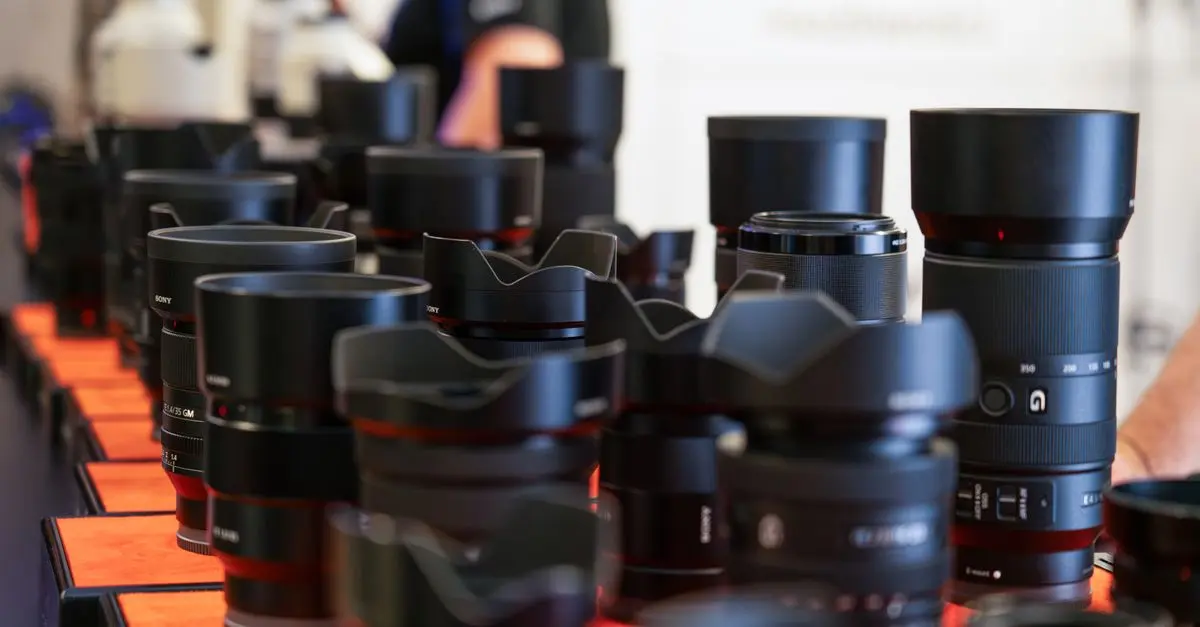
Once you have your camera body, selecting lenses becomes the next big step. Lenses come in numerous types, each suited for different styles of photography.
| Lens Type | Best For | Pros | Cons |
|---|---|---|---|
| Prime Lenses | Portraits | Sharpness, low light | Fixed focal length |
| Zoom Lenses | Versatility | Multiple focal lengths | Generally heavier |
| Wide-Angle | Landscapes | Captures vast scenes | Distortion possible |
| Telephoto | Wildlife/Events | Great for distant subjects | Bulkiness/weight |
4. Don't Forget Accessories
While the camera and lenses get most of the attention, the right accessories can significantly enhance your photography. A decent tripod is essential, especially for landscape shots or long exposures. Additionally, a camera bag protects your gear while making it easily transportable. Extra batteries, and memory cards ensure that you're never left without necessary power or space during a shoot.
Furthermore, consider investing in a cleaning kit; lenses can easily get smudged. Maintaining clean glass is crucial for excellent image quality.
5. Set a Budget
Photography gear for beginners can range significantly in price. It's essential to set a budget beforehand and stick to it. A well-planned budget can prevent hasty purchases and ensure that you get all necessary components without overspending.
Consider researching the average prices for beginner gear. According to an analysis by Les Numériques, a complete beginner kit can range from $500 to $1500 depending on various factors such as brand, lens choice, and additional accessories. Prioritize purchasing quality items and build your setup gradually instead of placing all your funds in one grand kit.
6. Seek Guidance and Recommendations
Finally, don’t hesitate to seek advice from fellow photography enthusiasts or trusted retailers who can help steer you in the right direction. According to our experience, many beginners appreciate community feedback and product reviews. Consider joining local clubs or online forums where you can exchange information and get recommendations tailored to your needs.
You can also find great resources online, including blogs and video tutorials. These communities often provide insights that can save you time and money.
Checklist before Purchase
- [ ] Define your photography goals.
- [ ] Research and select a suitable camera body.
- [ ] List potential lenses that suit your photography style.
- [ ] Create a budget for your gear.
- [ ] Identify necessary accessories (tripod, bag, etc.).
Glossary
| Term | Definition |
|---|
| DSLR | Digital Single-Lens Reflex camera, known for its versatility.
| Mirrorless | Cameras that use electronic viewfinders (EVFs) and omit mirrors for a compact design.
| Prim Lens | A lens with a fixed focal length, offering sharper images and lower light performance.


📺 Resource Video
Explore Gear Choices for Beginners: Get an in-depth look at selecting the best photography gear. Search on YouTube: beginner photography gear review 2026.
🧠 Quick Quiz: What is the most important factor in choosing your first camera?
- A) Price
- B) Brand
- C) Features and Goals
Answer: C — Features and goals should dictate your choice over price or brand alone.
📺 Pour aller plus loin : beginner photography gear review 2026 sur YouTube
Recommended products
Selected by our experts
Pro Tools 10 - Beginners
deepdiscount.com
This audio production software is great for photographers wanting to incorporate sound in their digital storytelling.
Sportsheets Plus Size Beginners Strap-On Harness - Black
babeland.com
This harness provides comfort and adaptability, making it an interesting conversation starter for themed shoots.