Table of Contents (11 sections)
Photography is an art and a business. Turning your love for photography into a professional photography career not only allows you to pursue your passion but can also lead to financial independence. Here we outline essential steps to help you succeed in the transition from a hobbyist to a professional photographer.
1. Understand the Basics of Photography
Before you can monetize your passion, it’s crucial to grasp the fundamentals of photography. This includes understanding the exposure triangle — shutter speed, aperture, and ISO — which are the building blocks of photography. Additionally, familiarize yourself with concepts like composition, lighting, and the importance of storytelling in images. As National Geographic suggests, a well-composed photo can evoke stronger emotions than one that lacks structure. Invest in books or online courses that explain these principles in depth. Consider enrolling in workshops, where hands-on experience leads to better retention and understanding.
2. Invest in Quality Equipment
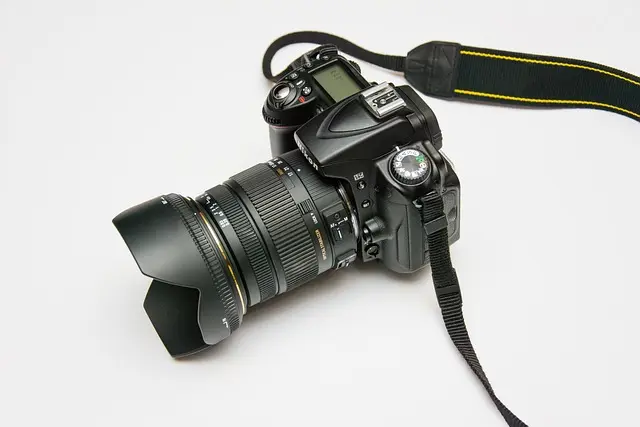
The quality of your photography equipment significantly affects the final images you produce. While there’s no need to purchase the most expensive camera on the market, investing in a good quality DSLR or mirrorless camera is advisable. Brands like Canon or Nikon are renowned for offering reliable options at various price points. Pair your camera with a versatile lens, such as a 24-70mm zoom lens, which is great for many types of images. Don’t forget about essential accessories like tripods and external flashes. The right gear allows you to explore various photography styles, from portraiture to landscapes, enhancing your portfolio.
3. Build Your Portfolio
Creating a standout portfolio is one of the most crucial steps in transitioning to professional photography. Your portfolio acts as a visual resume, showcasing your best work to potential clients. Focus on quality rather than quantity. Include a diverse range of images that reflect your style and skills. Aim for a mix of portraits, events, and landscapes to display versatility. Websites like SmugMug or Squarespace offer easy-to-use templates to create stunning photography portfolios. Additionally, sharing your work on platforms like Instagram or 500px can help you gain visibility and attract clients.
Remember, potential clients often look for photographers whose style aligns with their vision.
4. Network and Promote Yourself
Establishing connections in the photography industry is crucial. Attend local photography workshops, art shows, or community events to meet other photographers and potential clients. Joining photography clubs or groups can also help you build relationships. Make use of social media to showcase your work and connect with other artists. Share behind-the-scenes content to engage your followers. In your promotional efforts, consider creating business cards and utilizing platforms like LinkedIn to reach professionals in various industries.
5. Understand Marketing and Pricing Strategies
Once you have a solid portfolio and network, it’s time to market your services. Researching pricing strategies is essential. According to The Wedding Report, photography pricing differs significantly across regions and genres. Conduct surveys among local photographers to gauge standard pricing for similar services. Establish packages that cater to different client needs, ensuring they are clear and appealing. Utilize SEO techniques on your website to improve visibility in search engines. Blogs about photography tips or travel experiences can also attract organic traffic and position you as an expert.
6. Legal and Business Considerations
When starting your photography business, it’s vital to understand the legal aspects. This includes registering your business name, securing necessary licenses, and understanding taxation requirements specific to freelancers. Implement contracts for your clients to protect your rights and establish clear expectations. Additionally, look into liability insurance. Protecting yourself against potential claims is a smart business move that many new photographers overlook. Visit SCORE or similar non-profits to find local resources for small business owners.
7. Continue Learning and Evolving
The photography field is continually evolving, and staying updated with the latest trends and technologies is crucial. Participate in workshops and webinars, even after starting your career. Platforms like CreativeLive offer abundant resources. Consider mentorship with established photographers for guidance. Learn to accept constructive criticism to improve your craft continually. Networking with peers may also present collaboration opportunities, leading to new avenues for growth.
📺 Resource Video
> 📺 For further exploration: Discover How to Launch Your Photography Career, a comprehensive guide on taking your first steps in professional photography. Search on YouTube: "launch your photography career 2026".
Checklist before Launching Your Photography Career
- [ ] Master the foundation of photography
- [ ] Invest in essential equipment
- [ ] Create a diverse portfolio
- [ ] Network and build relationships
- [ ] Establish clear pricing and marketing strategies
- [ ] Attend business seminars or workshops
- [ ] Keep learning new skills and techniques
Glossary
| Terme | Définition |
|---|---|
| DSLR Camera | Digital Single-Lens Reflex camera, known for versatility and image quality. |
| Portfolio | A collection of work samples showcasing an artist's skills and style. |
| SEO | Search Engine Optimization, techniques used to enhance website visibility in search engines. |
💡 Expert Opinion: It’s essential to refine your niche in photography, whether it's weddings, portraits, or commercial work. Specializing can help you stand out in a crowded market.
🧠 Quiz rapide : What is the most important step when starting a photography career?
- A) Buying the best camera
- B) Building a portfolio
- C) Networking with others
Réponse : B — Building a strong portfolio showcases your skills to attract potential clients.
In conclusion, transitioning your passion for photography into a professional career involves mastering skills, investing in quality gear, and strategically marketing yourself. With dedication and strategic planning, you can create a fulfilling career in photography. Start today!
📺 Pour aller plus loin : how to launch your photography career 2026 sur YouTube