Table of Contents (11 sections)
Photography is more than just pointing a camera at a subject; it's about storytelling, creativity, and technical mastery. Whether you dream of becoming a professional photographer or just want to capture life's moments better, this guide will walk you through the steps to become a successful photographer.
1. Understand the Basics of Photography
Before you can become a successful photographer, it’s essential to grasp the fundamentals of photography. This includes understanding exposure, which is a combination of aperture, shutter speed, and ISO. Aperture affects the depth of field, or how much of the image is in focus. Shutter speed determines how long your camera’s shutter is open, influencing motion blur. ISO measures your camera's sensitivity to light.
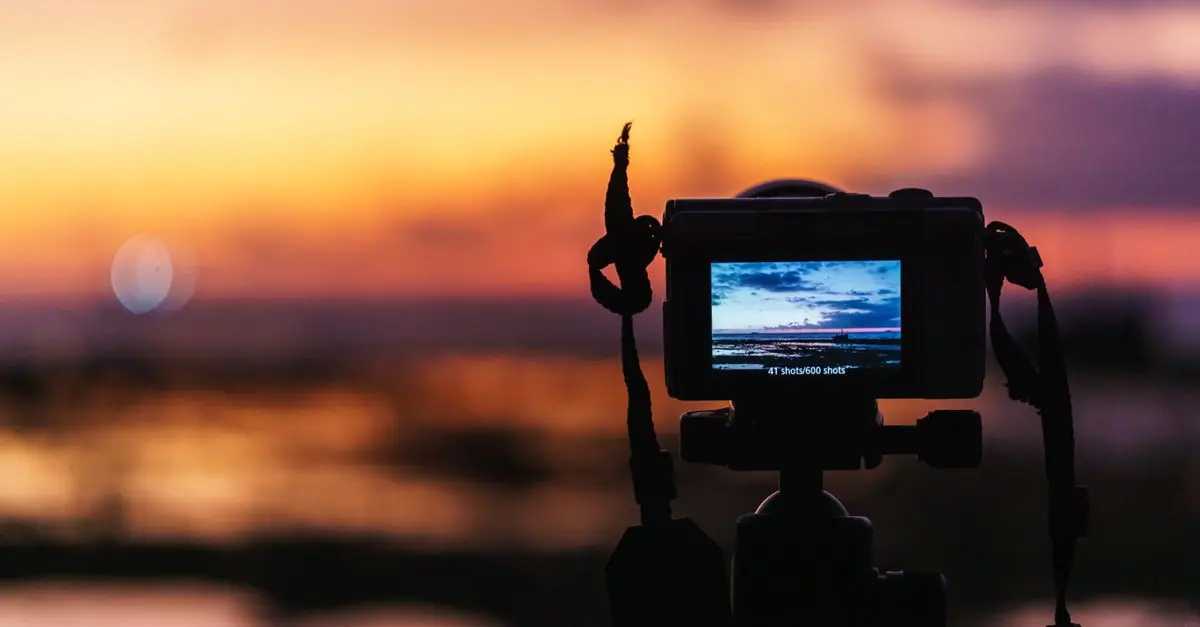
For instance, if you're shooting a sunset, you might want a lower ISO to avoid graininess, a fast shutter speed to capture the vibrant colors, and a wide aperture to soften the background. Many photography schools recommend practicing manual settings rather than relying solely on automatic mode. This hands-on approach will build a deeper understanding of how to manipulate your camera settings to achieve your desired results.
2. Choose the Right Equipment
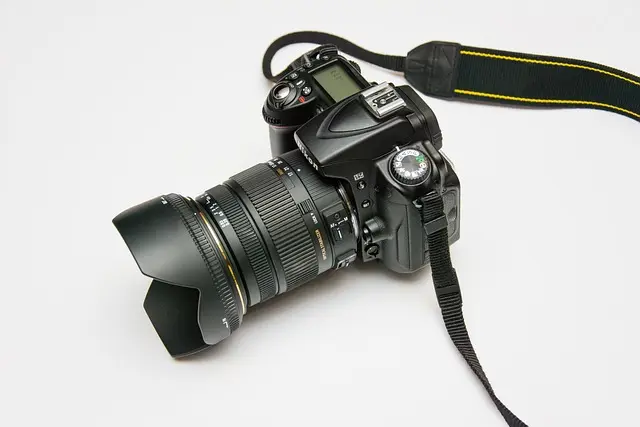
Selecting the right equipment is crucial for budding photographers. While you don’t need the most expensive gear, investing in a quality camera and versatile lens can make a significant difference. Consider starting with a DSLR or a mirrorless camera. These allow for greater flexibility compared to point-and-shoot cameras.
It’s also important to consider lenses: a prime lens with a wide aperture is great for portraits, while a zoom lens could be more suitable for landscapes or events. Additionally, don’t overlook accessories like a sturdy tripod, which can enhance stability for long exposures, and editing software for post-processing your images. A tip from experienced photographers is to rent equipment before purchasing to ensure it fits your style and needs.
3. Master the Art of Composition
Composition is a vital skill in photography that can either make or break your shot. Understanding and applying the rule of thirds can help create balance in your photos. To use this rule, imagine dividing your image into a 3x3 grid and positioning key elements along those lines or at their intersections.
Experimentation is key here; try different angles and perspectives. For example, photographing a subject from a lower angle can add interest and impact. Learning to recognize leading lines, framing, and symmetry in your shots can elevate your work. As you practice composition, don’t hesitate to study other photographers' work for inspiration and to understand what composes a compelling image.
4. Practice, Practice, Practice
Regular practice is crucial in your journey to becoming a successful photographer. Make it a point to shoot daily, whether that means visiting local parks, attending events, or simply practicing in your home. The more you shoot, the more you’ll learn about your camera, lighting, and your unique style.
Consider joining photography clubs or online communities where you can share your work and receive constructive feedback. Engaging with fellow photographers can help you grow and find new inspiration. Don’t shy away from taking photos outside of your comfort zone. Trying different genres, such as landscape, portrait, or street photography, can broaden your skills and strengthen your portfolio.
5. Edit Your Photos Like a Pro
Editing is where you can really make your photos shine. Learning to use software like Adobe Lightroom or Photoshop can enhance your images dramatically. Basic editing can include adjusting exposure, contrast, and color balance. More advanced techniques might involve retouching or compositing.
When editing, be mindful of over-editing; maintaining a natural look is often preferred. An interesting statistic to note is that around 92% of photographers admit that a good editing process can improve their work. To ensure you’re on the right path, consider following online tutorials and practicing editing on your photos regularly.
6. Build Your Portfolio
After you’ve developed your skills and begun capturing great images, it’s time to showcase your work. Building a strong portfolio is essential for attracting clients or getting noticed in the photography community. Aim to include a variety of your best work that highlights different styles and techniques.
Consider creating a personal website where potential clients can view your portfolio. Ensure your website is user-friendly, and showcase your personality through your photography style. Social media platforms, especially Instagram, are also fantastic for sharing your work and connecting with other photographers. Statistically, photographers who actively engage with social media platforms see a 30% higher interaction rate with their audience.
7. Network and Promote Yourself
Networking is an integral part of growing as a photographer. Attend events, gallery openings, or workshops to meet other photographers and potential clients. Collaboration with other creatives can lead to new opportunities.
Use online platforms to increase your visibility. Consider joining photography groups on platforms like Facebook or forums like Flickr. Additionally, don’t underestimate the power of word-of-mouth. Happy clients will often refer you to others, and personal recommendations can result in more jobs. Remember, promoting yourself doesn’t mean posting constantly. Instead, focus on quality content that showcases your unique style and approach to photography.
📺 Resource Video
> 📺 For further insight: Check out this video on how to improve your photography skills. Search on YouTube for: "photography tips for beginners 2026".
Checklist before Diving into Photography
- [ ] Understand the basics of exposure, aperture, shutter speed, and ISO.
- [ ] Choose the right camera and lenses that fit your style.
- [ ] Master composition techniques and practice shooting.
- [ ] Commit to regular practice to continually improve your skills.
- [ ] Learn editing software and refine your photos.
- [ ] Build a diverse portfolio showcasing your best work.
- [ ] Network within the photography community for collaboration.
Glossary
| Term | Definition |
|---|---|
| Aperture | The opening in a lens that controls the amount of light entering the camera. |
| Shutter Speed | The amount of time the camera's shutter remains open to expose light to the sensor. |
| ISO | A measure of the camera sensor's sensitivity to light, impacting graininess. |
---
> 🧠 Quiz rapide : What is the primary function of aperture in photography?
> - A) Controls the camera's exposure time.
> - B) Determines the camera's sensitivity to light.
> - C) Affects the depth of field in an image.
> Réponse : C — Aperture primarily controls the depth of field, affecting how much of the image is in focus.
📺 Pour aller plus loin : photography tips for beginners 2026 sur YouTube