Table of Contents (10 sections)
Welcome to the world of photography! One of the most crucial aspects of capturing stunning images is understanding the role of lighting. It is central to setting the mood, highlighting your subject, and creating depth. In this guide, we'll explore the importance of lighting and offer practical techniques to help you master it.
Understanding Lighting in Photography
Lighting in photography is more than just illuminating a scene. It involves the strategic use of natural and artificial light to enhance the aesthetics of your images. Whether you're shooting portraits, landscapes, or macro photography, the right lighting can make your photos come alive. Lighting affects the contrast, texture, and mood of a photograph. This knowledge is not just for professionals but is essential for beginners looking to improve their skills and capture that perfect shot.
Key Elements of Lighting
The direction, quality, and color of light significantly impact how a photo turns out. Light can be soft or hard—soft light creates gradual transitions between shadows, while hard light creates sharp edges and contrast. The direction of light can be front, side, back, or top, each offering a distinct look. Playing with these elements lets you add dramatic effects to your photos.
Techniques to Improve Lighting
Now that we recognize the importance of light, let's explore some basic techniques:
- Golden Hour Photography: Take advantage of the natural golden hour, which is shortly after sunrise or before sunset, for softer shadows and warm hues.
- Reflectors: Use reflectors to manipulate natural light, bouncing it onto your subject to reduce shadows.
- Diffusers: Diffusion helps soften harsh light, and tools like white sheets can be used on a budget.
Remember, the best lighting plan combines planning and experimentation—only practice makes perfect.
📺 Resource Video
📺 For a deeper dive: The magic of lighting in photography: techniques and tips, explore various lighting techniques. Search on YouTube: photography lighting techniques demo.
Comparative Table: Natural vs. Artificial Lighting
| Feature | Natural Light | Artificial Light | Use Cases | Verdict |
|---|---|---|---|---|
| Availability | Daytime Limited | 24/7 | Studio, nightlife | Artificial Wins |
| Cost | Free | Costly | Budget varying | Natural Wins |
| Dependability | Weather Dependent | Consistent | Controlled Setup | Artificial Wins |
| Versatility | Limited Control | Full Control | Creative Control | Artificial Wins |
According to Photography Studies College (2025), around 80% of amateur photographers rate lighting as the most challenging aspect of photography. Yet, studies show that 60% of improved photographs shared on social media involved some lighting adjustment.
Common Lighting Questions
💡 Expert Opinion: Lighting isn't just a technical aspect, but an emotional one. As per Joe McNally, an acclaimed photographer, mastery of light sets apart compelling stories from the ordinary. Experiment with light and embrace shadows to create striking images.
- What is the best lighting setup for beginners in photography?
Start with natural lighting; golden hour is ideal.
- How does lighting affect portrait photography?
It impacts skin tones, mood, and the overall emotion conveyed by the portrait.
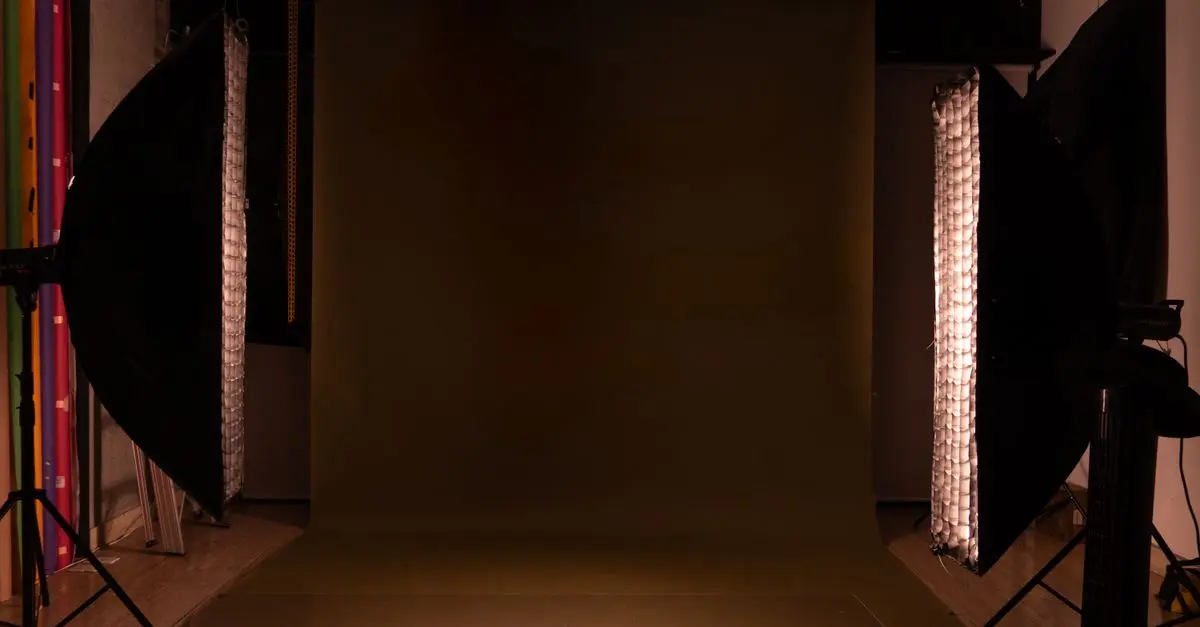
- Are studio lights necessary for good photography?
Not necessary but beneficial for controlled environments.
- Does camera equipment matter for lighting?
While it helps, understanding light manipulation is more crucial.
Glossary
| Term | Definition |
|---|---|
| Golden Hour | The period shortly after sunrise or before sunset. |
| Reflector | A device to redirect light towards a subject. |
| Diffuser | A tool used to soften harsh lighting. |
- [ ] Plan the time of day for ideal lighting
- [ ] Set up reflectors if needed
- [ ] Choose between natural or artificial light
- [ ] Experiment with light direction
- [ ] Test shot and adjust exposures
🧠 Quick Quiz: What time is known as the 'golden hour'?
- A) Midday
- B) Just after sunrise and before sunset
- C) Midnight
Answer: B — It's the prime time for pleasing natural light.