Table of Contents (9 sections)
Understanding Your Camera
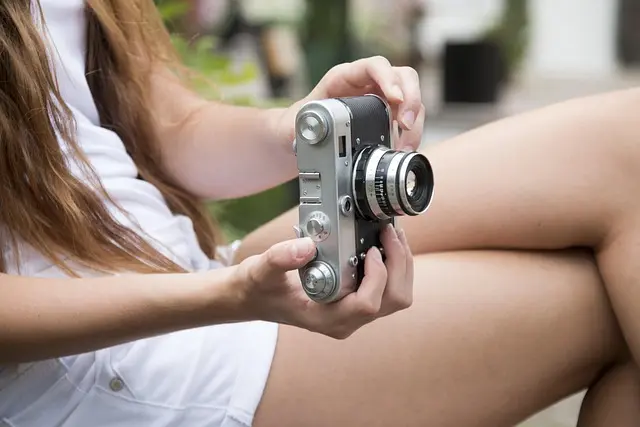
To become a proficient photographer, it's crucial to understand your camera. Many beginners feel overwhelmed by the settings on a DSLR or mirrorless camera. However, grasping the basics, such as aperture, shutter speed, and ISO, can significantly enhance your photography. Aperture affects the depth of field, allowing you to have sharp or blurry backgrounds, while shutter speed can freeze or blur motion. ISO controls the camera sensor's sensitivity to light, affecting image brightness. For instance, higher ISO settings can introduce noise in low-light conditions.
According to CIPA, global digital camera shipments reached about 9 million units in 2025, illustrating the continuing interest in advanced photography gear. Mastering your camera's manual settings empowers you to experiment and find your creative style, essential for making informed decisions about your shots.
Mastering Composition
Composition is the backbone of compelling photography. A well-composed image draws the viewer's eye to the subject and conveys the intended message. One of the most popular rules is the Rule of Thirds, which divides the image into nine equal parts. By placing subjects along these lines or their intersections, you create more dynamic photos.
In addition, leading lines guide the observer's eyes through the scene, adding depth and interest. This could be natural, like roads or rivers, or architectural, like buildings and fences. According to Wikipedia's definition, composition in art and photography involves arranging elements to effectively communicate the photograph's story or intention, enhancing viewer engagement.
💡 Expert Opinion: Renowned photographer Annie Leibovitz emphasizes practice as fundamental in mastering composition. By consistently experimenting with angles and framing, photographers develop a keen sense of artistry and style.
Lighting Techniques
Effective use of lighting differentiates amateur photos from professional-looking images. Natural light is a versatile tool for beginners, and learning to position subjects correctly in sunlight can produce stunning results. Golden Hour, the first hour after sunrise and the last hour before sunset, is renowned for providing soft and warm natural light.
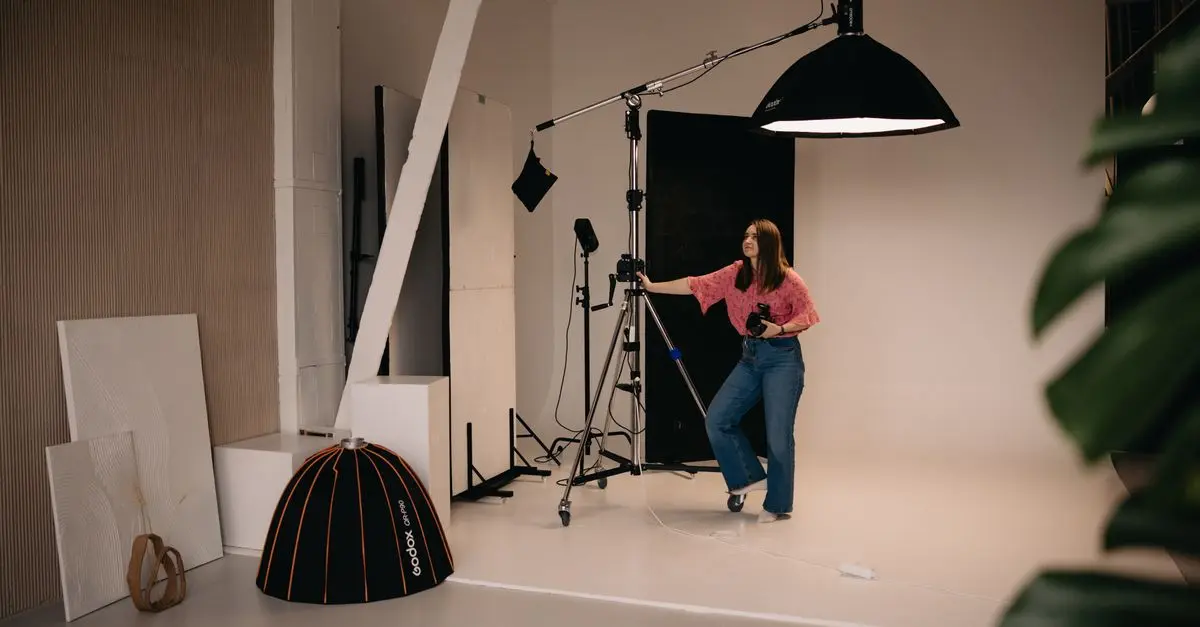
Artificial lighting, like continuous or strobe lights, allows more control over the scene's illumination. UFC-Que Choisir highlights that investing in quality lighting equipment is beneficial for indoor shoots. Remember, lighting can set the mood and create dramatic effects, so understanding different lighting techniques is crucial.
Post-Processing Basics
Post-processing is an integral part of modern photography, enabling photographers to enhance, correct, and creatively alter images. Software like Adobe Lightroom or Photoshop are staples in the toolkit of any serious photographer.
When beginning, focus on adjusting exposure, contrast, and color balance. These basic edits can drastically improve the final output, making images more vivid and engaging. According to Les Numériques, learning these tools can fast-track your journey from novice to skilled photographer.
📺 Resource Video
📺 To go further: Essential Photography Skills Tutorial, an in-depth analysis of foundational photography techniques. Search YouTube with: "learn photography skills for beginners".
- What are the basic skills needed for photography?
The fundamentals include understanding your camera's manual settings, mastering composition techniques, knowing how to use light, and learning post-processing basics.
- Why is composition important in photography?
Good composition enhances the visual appeal of photos and effectively communicates the photographer's intended message, ensuring viewer engagement.
- How can I improve my lighting techniques?
Utilize natural light during the Golden Hour, experiment with different artificial lighting setups, and study shadows to create depth and mood.
- Is post-processing necessary for beginners?
Yes, as it enhances the image's quality and visual impact. Learning editing basics can significantly improve your photography outcomes.
Glossary
| Term | Definition |
|---|---|
| Aperture | Opening in a camera lens that controls depth of field and light. |
| ISO | Camera setting that adjusts sensor's sensitivity to light. |
| Composition | Arrangement of elements within a photograph to convey a message. |
Checklist
- [ ] Understand your camera's basic settings
- [ ] Practice the Rule of Thirds in composition
- [ ] Utilize natural and artificial lighting effectively
- [ ] Master basic post-processing techniques
- [ ] Continually experiment and practice skills