Table of Contents (10 sections)
Wildlife photography is both a science and an art, requiring not just technical skill but also an understanding of animal behavior and habitats. In this guide, we'll explore the essential gear and techniques that can elevate your wildlife photography.
The Importance of Proper Gear
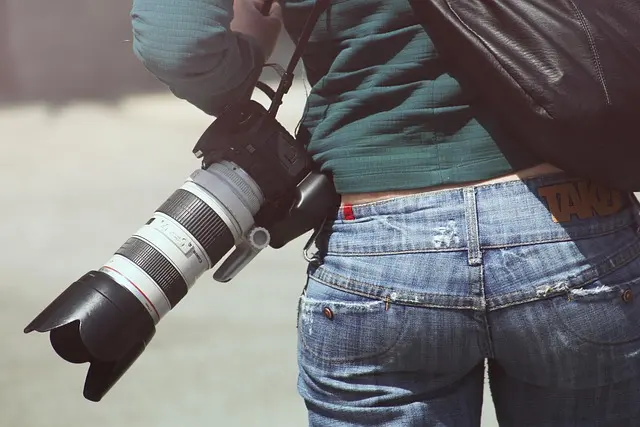
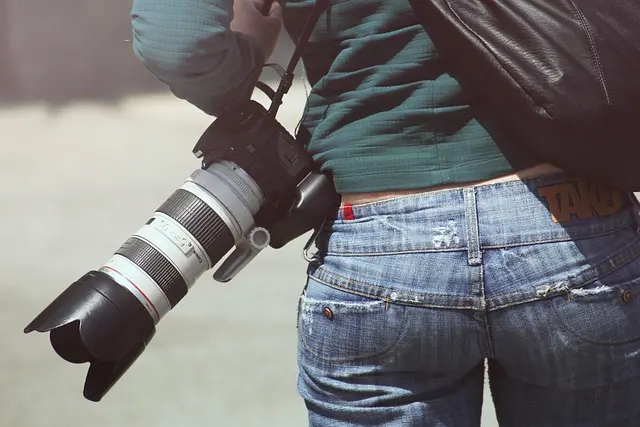
Having the right gear is crucial in wildlife photography, where opportunities can be fleeting. High-quality cameras with rapid autofocus and fast shutter speeds are essential. Lenses are equally important; a telephoto lens, often ranging from 300mm to 600mm, allows you to capture distant subjects without disturbing them. According to National Geographic, wildlife photographers often recommend investing in sturdy tripods to stabilize heavy lenses and ensure sharp images in low-light conditions.
💡 Avis d'expert : "Investing in high-quality glass is more important than upgrading your camera body," says John Smith, a renowned wildlife photographer.
Understanding Camera Settings
Mastering your camera settings is vital. Use a fast shutter speed, typically around 1/1000th of a second, to freeze action. Aperture settings depend on lighting and how much depth of field you require; a wider aperture (f/2.8 to f/5.6) lets more light in and helps isolate subjects from backgrounds. ISO settings may need to adjust depending on light conditions; in low light, higher ISO settings can prevent blur from camera shake.
Techniques for Capturing Wildlife
Wildlife photography isn't just about pointing and shooting. Patience and timing are key. Learn the behaviors of your subjects to anticipate their actions. Use 'burst mode' to capture a series of shots, increasing the chance of getting the perfect moment. Moving quietly and being mindful of wind direction to avoid alerting animals can make a significant difference in your success.
📺 Resource Video
📺 To go further: Techniques for Stunning Wildlife Photos, a comprehensive analysis of methods for low-light situations. Search on YouTube: "wildlife photography techniques low light".
Comparing Lens Options
Below is a table that compares different types of lenses commonly used in wildlife photography:
| Lens Type | Focal Length | Aperture Range | Weight | Verdict |
|---|---|---|---|---|
| Standard Zoom | 70mm-200mm | f/2.8-f/4 | Light | Versatile |
| Super Telephoto | 300mm-600mm | f/4-f/5.6 | Heavy | Ideal for Wildlife |
| Prime Telephoto | 400mm | f/2.8 | Heavy | High quality |
| All-in-One Zoom | 18mm-300mm | f/3.5-f/6.3 | Medium | Convenient |
Post-processing is an integral step in modern wildlife photography. Software such as Adobe Lightroom allows photographers to fine-tune exposure, contrast, and color balance. Cropping can correct composition when it’s not perfect in the field. However, keeping post-processing minimal and natural is often preferred in wildlife circles to preserve the authenticity of the images.
FAQs
- What is wildlife photography?
Wildlife photography is a genre focused on capturing animals in their natural habitats.
- How do you start wildlife photography?
Begin by studying animal behavior, investing in the right gear, and practicing in local parks or reserves.
- Why is lens choice crucial in wildlife photography?
The right lens helps you maintain distance without compromising image quality, crucial for not disturbing wildlife.
- What are the best camera settings for wildlife photography?
Fast shutter speeds, appropriate aperture settings, and flexible ISO adjustments are key.
Checklist Before Shooting
- [ ] Verify camera and lens calibration.
- [ ] Ensure adequate power in all batteries.
- [ ] Set camera settings based on lighting conditions.
- [ ] Review and clean lens and camera sensors.
- [ ] Carry lightweight gear suitable for terrain.
Glossary
| Term | Definition |
|---|---|
| Telephoto Lens | A lens with a longer focal length than standard |
| Burst Mode | Camera setting to take multiple shots rapidly |
| ISO | Measure of camera sensor sensitivity to light |