Table of Contents (10 sections)
Transitioning into photography as a career can be a fulfilling journey, allowing individuals to express their creativity while capturing the world through a lens. In a rapidly evolving digital landscape, with millions of photographs shared online daily, pursuing a career in photography requires not only skill and passion but also strategic planning. This guide outlines the key steps to successfully transition into photography, providing insight into preparation, techniques, and resources to aid ambitious photographers.
Step 1: Assess Your Passion and Skills
Before embarking on any new career, it is vital to assess your interests and capabilities. Ask yourself why you want to transition into photography and what aspects excite you the most. Are you drawn to portrait photography, landscapes, or perhaps street photography? Understanding your passion will help guide your learning process and specialization.
To assess your skills, consider taking an inventory of what you currently know. Do you have experience with cameras, lighting, and composition? Utilize resources like online tutorials or local workshops to sharpen your existing skills and build a strong foundation. Engaging with communities on social media platforms, such as photography forums or Instagram, can further provide inspiration and constructive feedback.
Step 2: Acquire Necessary Equipment
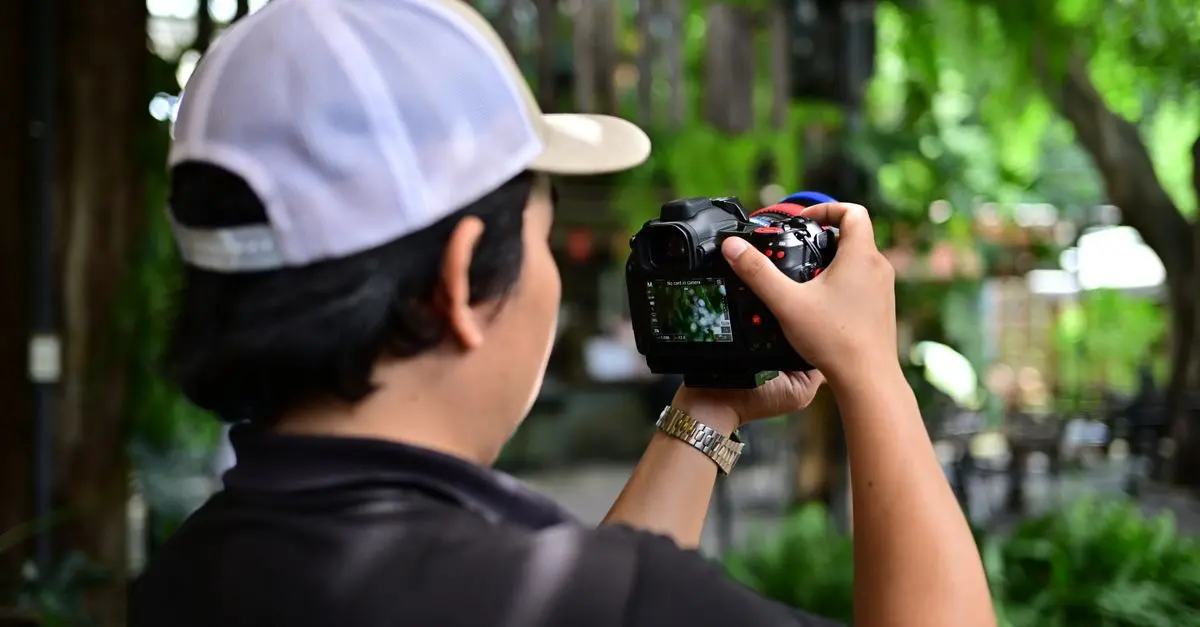
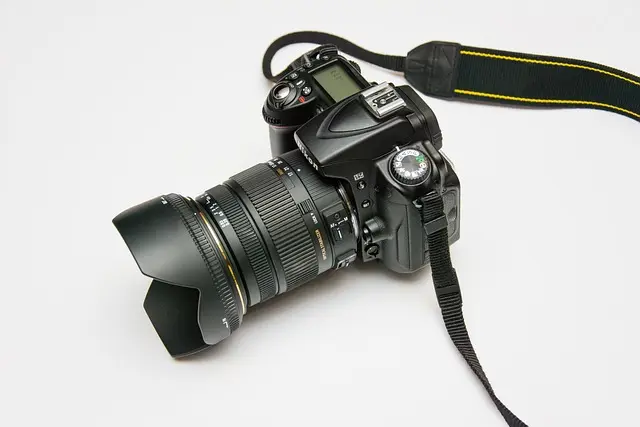
Once you’re clear about your passion, the next step is to acquire the essential equipment. While many photographers argue that great images can come from any device, certain tools are crucial for professional quality work. Start with a decent camera—DSLRs or mirrorless options are a popular choice among aspiring photographers. Additionally, investing in lenses suitable for your niche, whether it's a wide-angle for landscapes or a prime lens for portraits, is imperative to enhancing your creative capabilities.
Moreover, consider purchasing supportive accessories such as tripods, lighting equipment, and editing software. We have selected several products that cater to emerging photographers, ensuring you have the right tools to create stunning imagery. Prioritize spending wisely on equipment that will provide the most return on investment concerning your photography needs and budget.


6inch USB LED Video Light Dimmable Ring Lamp for Photography Selfie Live Studio
Darty FR

Coupe Transition Chicco Fille 4m+ Coupe Transition
DocMorris FR (ex DoctiPharma FR)
Step 3: Develop a Portfolio
Your portfolio serves as your professional showcase and a pivotal tool in attracting potential clients or employers. Begin by curating a selection of your best work that reflects your unique style and choice of subjects. Aim for a diversity of images that demonstrate not only your technical abilities but also your creative vision.
As you build your portfolio, participate in photo contests or collaborate with other creatives to enhance your body of work. Using platforms like Adobe Portfolio or Squarespace can help present your work professionally, making it easier for others to appreciate your efforts. Remember to keep your portfolio updated with your latest techniques and styles as you grow and evolve as a photographer.
Step 4: Gain Experience and Network
Experience is crucial in any career transition, and photography is no exception. Volunteer to photograph events or offer to take portraits for friends and family to gain practical experience. If you can, seek internships or assistant roles with established photographers; such opportunities can provide invaluable insights into the industry and help you refine your skills.
Networking is equally important. Attend local photography meetups, workshops, or exhibitions to connect with like-minded individuals and industry professionals. Social media platforms, particularly Instagram and LinkedIn, can also serve as networking tools that broaden your reach and expose your work to a wider audience. Engaging with others will open doors to potential collaborations and job opportunities in the future.
Step 5: Define Your Brand and Market Yourself
As you gain experience, it becomes essential to define your personal brand as a photographer. This includes establishing a unique style and voice that reflects your artistic identity. Consistency across your portfolio, website, and social media profiles will help cultivate a recognizable brand.
Marketing yourself effectively is key in the competitive photography market. Utilize social media to showcase your work, share photography tips, and interact with your audience. Building a website to display your portfolio, alongside a blog featuring behind-the-scenes content or photography tutorials, can further enhance your online presence and credibility.
Conclusion
Transitioning into photography is a significant career move requiring preparation, practice, and persistence. Following these steps will help you lay a solid foundation for your future in photography. As you progress, remember that every photographer's journey is unique. Embrace the challenges, keep learning, and most importantly, enjoy capturing the world through your lens. Happy shooting!



Checklist before Starting Your Photography Career
- [ ] Define your photography niche.
- [ ] Assess your current skills and areas for improvement.
- [ ] Acquire necessary photography equipment.
- [ ] Create and maintain an updated portfolio.
- [ ] Seek practical experience through volunteering or internships.
- [ ] Network with fellow photographers and industry professionals.
- [ ] Develop your unique brand and marketing strategy.
Glossary
| Term | Definition |
|---|
| Exposure | The amount of light that reaches your camera sensor, crucial for image quality.
| ISO | A measure of your camera sensor's sensitivity to light, affecting image brightness.
| Aperture | The opening in a lens through which light passes, influencing depth of field.
🧠 Quick Quiz: What is the most crucial aspect of photography to master first?
- A) Composition
- B) Equipment
- C) Lighting
Answer: A — Mastering composition helps tell a story and creates visually compelling images.
📺 Resource Video
For further exploration, check out [Photography Tips for Beginners] on YouTube, where you can find tips to enhance your photography skills. Search for
Recommended products
Selected by our experts
6inch USB LED Video Light Dimmable Ring Lamp for Photography Selfie Live Studio
Darty FR
Coupe Transition Chicco Fille 4m+ Coupe Transition
DocMorris FR (ex DoctiPharma FR)