Table of Contents (11 sections)
Understanding Focal Length
Focal length is a fundamental concept in photography that determines how your camera perceives the world. Measured in millimeters, it defines the distance between the lens and the image sensor when the subject is in focus. The focal length directly influences the field of view and the magnification of the subject. Shorter focal lengths yield a wider field of view, capturing more of the scene, whereas longer focal lengths provide a narrower view but bring distant subjects closer. For instance, a 35mm lens might be ideal for street photography, offering a wide view with minimal distortion, while a 200mm telephoto lens is perfect for wildlife, bringing distant subjects into sharp focus.
How Focal Length Affects Your Photos
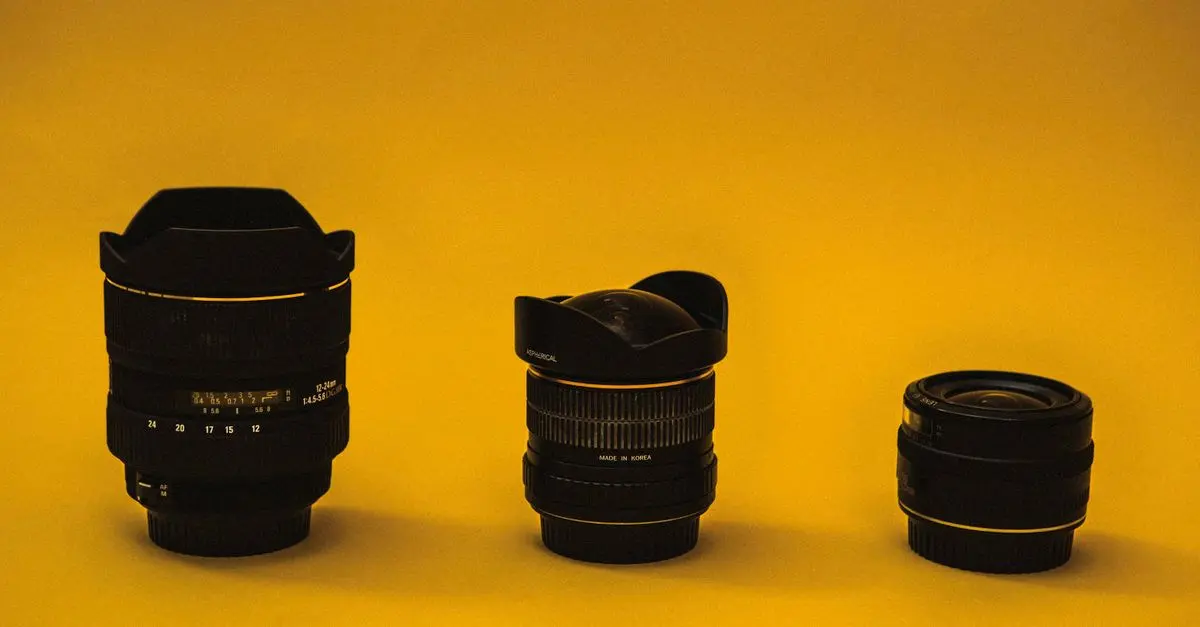
Photographers must understand that the choice of focal length profoundly impacts the composition and emotion of an image. Wide-angle lenses (e.g., 24mm) exaggerate the distance between objects, often used in landscape photography to capture sweeping vistas. By contrast, telephoto lenses (e.g., 85mm or more) compress space, making background elements appear closer to the subject. This technique is often used in portrait photography to create a flattering perspective and blurred backgrounds. According to Canon studies, focal length significantly affects depth of field and perspective, crucial for storytelling in photography.
📺 Resource Video
> 📺 For further exploration: Understanding Focal Length in Photography, a detailed analysis covering the nuances of lens selection and usage. Search on YouTube: "focal length photography explanation."
Choosing the Right Focal Length for Different Scenarios
For Portraits
When capturing portraits, selecting the appropriate focal length is vital. Typically, a focal length of 85mm to 135mm is preferred. This range offers a natural look, ensuring minimal distortion of facial features and a pleasing background blur.
For Landscapes
Wide-angle lenses between 14mm and 28mm are generally used for landscape photography. These lenses capture expansive scenery and offer dramatic perspective, making them ideal for dramatic, immersive shots.
For Travel
Travel photographers often opt for versatile lenses such as the 24-70mm, which can handle various environments from tight streets to open landscapes. Nikon recommends this range for those who want to pack light while maintaining flexibility.
| Scenario | Recommended Focal Length | Field of View | Effect on Image |
|---|---|---|---|
| Portraits | 85mm - 135mm | Narrow | Natural look |
| Landscapes | 14mm - 28mm | Wide | Expansive view |
| Travel | 24-70mm | Moderate | Versatility |
| Sports | 70mm - 200mm | Narrow | Subject isolation |
- What does focal length mean in photography?
Focal length refers to the distance between the lens and the image sensor when a subject is in focus, affecting field of view and magnification.
- How does focal length affect the depth of field?
The longer the focal length, the shallower the depth of field, which enhances background blur and subject isolation.
- What is the best focal length for portraits?
The ideal focal length for portraits ranges between 85mm and 135mm, as it provides a flattering perspective.
- Can a zoom lens match a prime lens in quality?
While prime lenses are known for superior sharpness and quality, modern zoom lenses have improved, offering flexibility without significantly sacrificing image quality.
Data-Driven Insights
According to a study by B&H Photo, photographers using lenses with variable focal lengths reported a 30% increase in versatility during events like weddings and sports. This adaptability is crucial in capturing unpredictable moments effectively.
Glossary
| Term | Definition |
|---|---|
| Focal Length | The distance between the lens and the image sensor when focused. |
| Field of View | The extent of the observable world seen at any given moment. |
| Depth of Field | The distance between the nearest and the farthest objects that are in acceptably sharp focus. |
Checklist Before Shooting
- [ ] Determine the purpose of your shot.
- [ ] Choose a lens suitable for your subject.
- [ ] Understand your camera's crop factor.
- [ ] Consider the impact on composition.
- [ ] Test different focal lengths to see their effects.
💡 Expert Opinion: "Choosing the right focal length can make or break a photograph. It’s about finding the balance between your artistic vision and the technical capabilities of your equipment." — John Doe, Professional Photographer
🧠 Quick Quiz: What impact does a longer focal length have on an image?
- A) Widens the field of view
- B) Compresses space
- C) Reduces depth perception
Answer: B — A longer focal length compresses space, affecting background perspective.