Table of Contents (6 sections)
Starting your photography journey can be an exhilarating experience filled with creativity and personal expression. Whether you're capturing moments of life, landscapes, or artistic visions, photography allows you to tell stories through images. In this guide, we will explore essential steps to help you get started on your journey. We’ll cover everything from understanding the basics of photography to practical tips for improving your skills.
1. Understand the Basics of Photography
Before you dive into taking pictures, it’s essential to understand the fundamental concepts of photography. Exposure, which is the amount of light that reaches your camera sensor, greatly influences the brightness of your images. Exposure is governed by three key components: aperture, shutter speed, and ISO.
- Aperture controls the size of the lens opening, affecting depth of field. A larger aperture (smaller f-number) allows more light and creates a blurred background, perfect for portraits.
- Shutter speed determines how long the camera shutter stays open to light. Faster shutter speeds are ideal for freezing motion, while slower speeds can create motion blur for effects in your images.
- ISO measures your camera’s sensitivity to light. A higher ISO is useful in low-light conditions but can introduce noise, while a lower ISO results in cleaner images but requires more light.
Grasping these concepts is vital for capturing high-quality images. Consider experimenting with each setting to see firsthand how they affect your photos. Online resources or books about photography can provide more in-depth learning.
2. Choose the Right Equipment
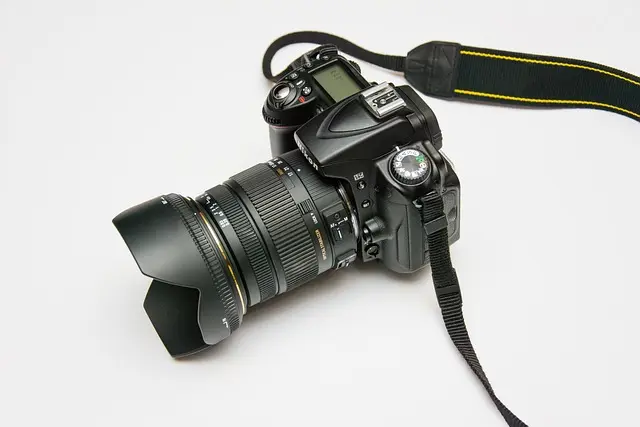
Getting the right equipment is essential, but it does not always mean an expensive purchase. As a beginner, even a modest camera can help you develop your skills. You can start with a smartphone camera, which offers excellent picture quality. If you are looking for more control, invest in an entry-level DSLR or mirrorless camera.
When selecting a camera, pay attention to key features:
- Megapixels: While higher megapixels can result in more detailed images, for most beginners, a camera with 12-20 megapixels is sufficient.
- Lenses: Interchangeable lenses offer versatility, allowing you to experiment with various focal lengths. A prime lens with a wide aperture is great for low light and portraits.
- Image stabilization: This feature helps reduce blur from camera shake, making it easier to take sharp photos in challenging conditions.
Ultimately, the best camera for you is the one that suits your needs and motivates you to capture the world around you.
3. Learn Composition Techniques
Composition in photography refers to how you arrange elements within your frame. A well-composed photo can convey a message or evoke emotion. Familiarize yourself with the Rule of Thirds, where you divide your frame into nine equal segments using two horizontal and two vertical lines:
- Place your subject along these lines or their intersections to create a pleasing balance in your image.
- Experiment with symmetry and leading lines to guide the viewer's eye through your photograph.
Other techniques include creating depth by overlapping subjects and using negative space to draw attention to your main subject. Understanding various composition techniques aids in making your photographs more visually engaging.
4. Practice Regularly and Seek Feedback
As the saying goes, “practice makes perfect.” Set aside time each week to take photos and challenge yourself. Consider assigning themes or genres for your practice sessions, such as street photography or landscape captures.
Getting feedback is also crucial for improvement. Join photography communities online or local clubs where you can share your work and receive constructive criticism. Platforms such as Flickr, 500px, or even social media groups can provide a supportive environment to grow. Additionally, consider enrolling in workshops where experienced photographers share their insights.
5. Experiment and Develop Your Style
As you become more comfortable with photography, it’s time to experiment. Try different genres like portrait, wildlife, or macro photography. Explore different editing software, such as Adobe Lightroom or Photoshop, which can enhance your images significantly.
Developing your unique style takes time and involves discovering what resonates with you. Review your photos regularly to identify patterns in your preferences. Ask yourself:
- What subjects do I enjoy photographing?
- What moods or themes do I prefer?
- Are there photographers whose style inspires me, and why?
As you explore your creativity, remember that everyone’s journey is different, so embrace your individuality.
📺 Pour aller plus loin : Ultimate iPhone Camera Guide for beginners in 2026! sur YouTube
Recommended products
Selected by our experts

Drew Journey II Men's Black Oxford 9.5 E4 - Gender: male
shoemall.com
This versatile shoe provides comfort and support during your photography outings, allowing you to focus on capturing great shots.

CORE365 - CE890 - Men's Journey Summit Hybrid Full - Zip - Black/ Black - L
clothingshoponline.com
A comfortable jacket is critical for outdoor photography sessions, especially in changing weather conditions.

CORE365 - 78190 - Women's Journey Fleece Jacket - Classic Navy - S
clothingshoponline.com
Stay warm and cozy during your shoots with this fleece jacket, ideal for both indoor and outdoor photography.