Table of Contents (10 sections)
Embarking on your photography journey can be a thrilling and rewarding experience. Whether you want to capture moments, tell stories, or express your creativity, photography offers you a profound way to connect with the world around you. This guide will take you through essential steps to help you start your photography journey with confidence and clarity.
1. Understanding the Basics of Photography
Before you grab a camera, it’s crucial to understand the foundational concepts of photography. At its core, photography is about capturing light. Basic notions like exposure, composition, and lighting are vital. Exposure refers to how much light reaches your camera sensor, determined by shutter speed, aperture, and ISO settings. For beginners, it's beneficial to familiarize yourself with these terms. A great way to do this is by studying exemplary photographs and trying to analyze the techniques used.
For example, a well-composed photo often has a clear focal point, proper use of lighting, and an aesthetic balance between elements. Many photographers recommend spending time on platforms like Instagram or Pinterest to find inspiration. Note how professional photos convey moods and stories through these principles. Furthermore, engaging with photography communities online can provide insights into common terms and practices, which can greatly enhance your understanding of the field.
2. Selecting the Right Camera
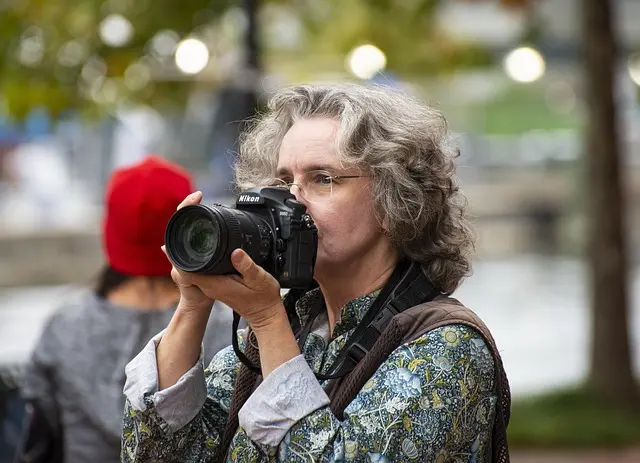
Next, you’ll need to choose a camera that suits your needs. While smartphones today come equipped with excellent cameras, having a dedicated camera can offer more versatility. Consider factors like the type of photography you’re interested in—portrait, landscape, or macro—and how much you’re willing to invest.
For beginners, DSLR or mirrorless cameras are great choices due to their adjustable settings and high-quality images. It’s important to test a few models in-store; ergonomics and weight can vary significantly. According to a recent study, about 65% of photography enthusiasts prefer dedicated cameras over smartphones for serious photography, citing improved image quality and creative control as key factors. Theses selections can greatly influence your photography outcomes.
3. Mastering Your Camera Settings
Once you've chosen your camera, it's time to learn how to use it. Start by familiarizing yourself with your camera’s manual. Understanding various settings like white balance, focus modes, and the various shooting modes (like aperture priority or shutter priority) can vastly improve your pictures. Moreover, consider experimenting with different modes to observe how they affect your shots.
Practice taking photos under various lighting conditions to see how your camera settings impact the final image. For example, shooting during golden hour can provide warm tones that enhance the aesthetic quality of your photographs. Remember, the way you manipulate your camera settings can either make or break your shot. Make it a habit to shoot in manual mode as soon as you're comfortable; this will give you optimum control over your camera and improve your skills quickly.
4. Practicing Composition Techniques
Composition is crucial in photography as it guides the viewer's eye and creates a cohesive image. There are several techniques to master:
- Rule of Thirds: Dividing your frame into a grid and placing points of interest at the intersections.
- Leading Lines: Utilizing natural lines to lead the viewer's eyes to the focal point.
- Framing: Using elements in your surroundings to frame the subject, adding depth.
Statistics show that images with strong compositional techniques are 30% more likely to engage viewers, especially on social media platforms. Practicing these techniques can transform average photographs into striking images. Challenge yourself to take photos daily, employing different composition methods. This practice not only enhances your skills but also helps develop your personal style.
5. Editing and Enhancing Your Photos
After capturing images, editing is the next step to perfecting your photos. Editing software like Adobe Lightroom or Photoshop can help you adjust brightness, contrast, and saturation to create stunning images. The goal of editing isn’t to drastically change your photos but to enhance their beauty. Learn basic skills, such as cropping and color correcting, before diving into more advanced techniques like layering and retouching.
Many photographers suggest following online tutorials that focus on specific editing techniques. According to a survey conducted by CreativeBloq, around 75% of photographers find that editing significantly improves overall image quality. Remember, while editing is critical, striving for an authentic representation of your vision is equally essential.
6. Sharing and Seeking Feedback
Once you've completed your photographs, sharing them often leads to valuable feedback. Posting your work on social media or joining photography forums can connect you with other enthusiasts and professionals who can provide constructive criticism. Seek communities that fit your photography style, whether it's portrait, street photography, or landscapes. Constructive feedback can be invaluable; about 80% of photographers credit peer reviews as a significant part of their improvement process.
Additionally, consider entering local contests or exhibitions to showcase your work and get noticed. Engaging with the photography community not only helps you improve but also provides motivation and inspiration. Take the leap and confidently share your passion for photography!
Checklist before you start your photography journey:
- [ ] Research basic photography concepts.
- [ ] Choose a camera that fits your needs.
- [ ] Familiarize yourself with your camera settings.
- [ ] Practice various composition techniques.
- [ ] Experiment with editing software.
- [ ] Share your work and seek feedback.
📺 Resource Video
📺 For further learning: A Beginner's Guide to Photography, a complete overview of essential photography skills. Search on YouTube: how to start your photography journey 2026.
Glossary
| Term | Definition |
|---|---|
| Aperture | The opening in a lens that controls the amount of light. |
| ISO | The level of sensitivity of your camera to light. |
| Shutter Speed | The time duration for which the camera sensor is exposed to light. |
---
📺 Pour aller plus loin : how to start your photography journey 2026 sur YouTube
Recommended products
Selected by our experts

Drew Journey II Men's Black Oxford 9.5 E4 - Gender: male
shoemall.com
Comfortable footwear is essential when exploring locations for photo shoots, ensuring you can move freely and stay focused on your surroundings.

CORE365 - CE890 - Men's Journey Summit Hybrid Full - Zip - Black/ Black - L
clothingshoponline.com
Staying warm and comfortable while shooting outdoors can help you focus on capturing the perfect moment, making this fleece jacket a great choice.
Journey 60" Bench Artisan Ash
cb2.com
This versatile backpack can help carry your photographic gear, keeping it safe and accessible during your adventures.

CORE365 - 78190 - Women's Journey Fleece Jacket - Classic Navy - S
clothingshoponline.com