Table of Contents (17 sections)
Starting your journey to become a photographer can be exhilarating yet daunting. Photography is not just about having the latest gear; it entails understanding light, composition, and storytelling through images. This tutorial provides a structured approach to help beginners navigate through the fundamental aspects of photography. Let's embark on this creative endeavor together!
1. Understand the Basics of Photography
Before diving into the technical aspects, it's crucial to grasp the fundamental principles of photography. Photography is essentially capturing light. The interplay of three key elements—aperture, shutter speed, and ISO—determines the exposure of an image. Understanding how these elements interact helps you manipulate them to achieve the desired results.
Aperture
Aperture refers to the size of the opening in the lens through which light enters. A lower f-stop number (e.g., f/2.8) means a larger opening, allowing more light in, which is ideal for low-light conditions and creating a shallow depth of field, useful for portraits.
Shutter Speed
Shutter speed controls how long the camera's shutter remains open to let light in. Faster shutter speeds (e.g., 1/1000s) freeze motion while slower speeds (e.g., 1/10s) can create motion blur, which can be creatively used in photography.
ISO
ISO measures your camera's sensitivity to light. A low ISO (100-200) is preferred in bright conditions to minimize noise, while a higher ISO (1600+) is suitable for low-light environments. However, balancing ISO with aperture and shutter speed is essential to capturing clear images.
Pro Tips:
- Practice using these settings in various environments to see their effects.
- Use manual mode on your camera to gain confidence.
2. Choose the Right Equipment
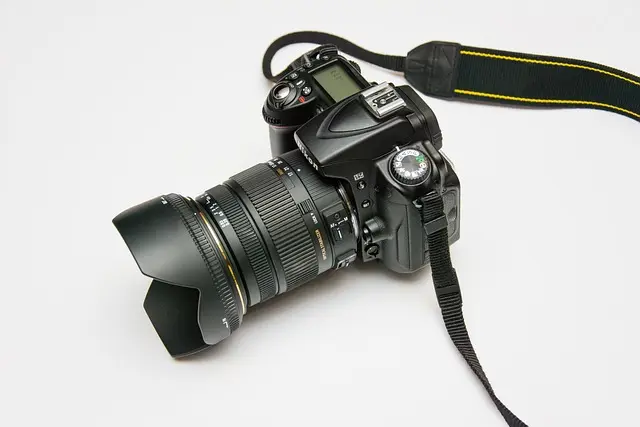
Selecting the right equipment is vital to your photography journey. However, you don't need to invest in expensive gear immediately. Consider this:
- Camera Type: DSLRs and mirrorless cameras offer flexibility and quality. For beginners, a good entry-level model from brands like Canon, Nikon, or Sony is ideal.
- Lenses: Start with a versatile zoom lens (e.g., 18-55mm) that allows you to experiment with different types of photography. Fast prime lenses (e.g., 50mm f/1.8) are great for portraits and low-light conditions.
- Accessories: A sturdy tripod, a camera bag, and extra batteries are recommended for outdoor shoots.
Comparison Table for Entry-Level Cameras
| Feature | Canon EOS Rebel T7 | Nikon D3500 | Sony Alpha A6000 |
|---|---|---|---|
| Type | DSLR | DSLR | Mirrorless |
| Megapixels | 24.1 MP | 24.2 MP | 24.3 MP |
| ISO Range | 100-6400 | 100-25600 | 100-25600 |
| Weight | 475 g | 365 g | 344 g |
| Verdict | Great for beginners | Excellent battery life | Compact design |
Follow this checklist to ensure you’re well-equipped:
- [ ] Choose a camera body.
- [ ] Select a versatile lens.
- [ ] Grab essential accessories (tripod, extra batteries).
3. Learn Composition Techniques
Great photos are often defined by strong composition. This includes the rule of thirds, leading lines, framing, and balance. Here's how to apply these techniques:
Rule of Thirds
Imagine your image divided into nine equal segments by two vertical and two horizontal lines. Positioning key elements along these lines or at their intersections creates a balanced composition. For instance, place the horizon along the top or bottom third of your frame rather than in the center.
Leading Lines
Use natural lines in your environment—roads, paths, or rivers—to draw the viewer’s eye into the composition. Experimenting with angles can enhance this effect substantially.
Framing
Using natural elements to frame subjects helps isolate the main focus and provides context. Look for doorways, branches, or windows that can add depth to your photographs.
Analytics: According to a survey from PetaPixel, 70% of photographers attribute their aesthetic growth to learning composition techniques early on.
4. Master Post-Processing
Post-processing is an essential part of modern photography. Familiarizing yourself with editing software like Adobe Lightroom or Photoshop enhances your raw images, allowing you to bring your vision to life. Consider these elements:
- Basic Corrections: Start with adjustments like exposure, contrast, brightness, and cropping. These can dramatically change an image's feel.
- Color Grading: Learn to enhance colors to fit the mood or style you want for your images. You can create a warm sunrise ambiance or cool evening tones through color adjustments.
Common Pitfalls to Avoid:
- Over-editing: Subtle edits often yield the best results; avoid oversaturation or excessive sharpening.
- Forgetting to back up your original files.
5. Develop Your Style
With practice and experimentation, you'll naturally start developing a unique style. This process takes time, so be patient. Here’s how to facilitate this:
- Explore Different Genres: Try portrait, landscape, street, or macro photography to discover what excites you. Each genre offers different challenges and creative outlets.
- Review Your Work: Regularly evaluate your photographs to identify common themes or techniques you gravitate towards.
- Seek Feedback: Share your work on platforms like Instagram or dedicated photography forums. Constructive criticism can be invaluable for growth.
Final Tips:
- Engage with other photographers’ work for inspiration
- Attend workshops or online courses for guided learning
📺 Resource Video
> 📺 For further exploration: Check out this comprehensive video tutorial on photography basics. Search YouTube for: "how to become a photographer step by step".
Glossary
| Term | Definition |
|---|---|
| Aperture | The opening in a camera lens responsible for light entry. |
| Shutter Speed | The duration the camera sensor is exposed to light. |
| ISO | A measure of a camera's sensitivity to light. |
Checklist Before Starting Your Photography Journey
- [ ] Understand the basic principles of photography.
- [ ] Choose the right equipment.
- [ ] Learn and apply composition techniques.
- [ ] Familiarize yourself with post-processing tools.
- [ ] Begin developing your unique style through practice.
🧠 Quick Quiz: What is the rule of thirds in photography?
- A) A method of focusing.
- B) A compositional technique.
- C) A camera setting.
Answer: B — A rule of composition to create balanced photographs.
This pathway to become a photographer emphasizes practice, creativity, and the technical aspects of photography. Dive in, experiment, and above all, enjoy capturing the world through your lens!
📺 Pour aller plus loin : how to become a photographer step by step sur YouTube