Table of Contents (11 sections)
Embarking on a journey into photography can be exhilarating yet challenging. With the rise of social media and digital platforms, the demand for skilled photographers is at an all-time high. Here’s a detailed, step-by-step guide to help you kickstart your photography career successfully.
1. Understand the Basics of Photography
Before diving into your photography career, it's essential to grasp the fundamentals of photography. Understand the exposure triangle – aperture, shutter speed, and ISO. Each component plays a critical role in how photographs are captured.
- Aperture affects depth of field and how much light hits the sensor. For instance, a lower f-stop number like f/1.8 lets in more light, creating a blurred background.
- Shutter Speed determines how long the camera shutter stays open to let in light. A fast shutter speed can freeze motion, while a slow shutter speed can capture movement.
- ISO measures your camera's sensitivity to light. Higher ISO settings allow shooting in low light but can add noise to your images. Familiarizing yourself with these concepts not only improves your shots but builds your confidence.
2. Choose Your Niche and Style
The world of photography is vast, encompassing various niches such as wedding, portrait, wildlife, and commercial photography. Identifying a niche can help you stand out and attract a specific audience. For example, if you enjoy capturing people at their happiest moments, wedding photography might be your calling.
Additionally, spend time developing your style. Investigate various photographers and Instagram influencers to find inspiration, but aim to create a unique perspective that reflects your personality. Consider creating themed projects or challenges to hone your style over time.
3. Invest in Basic Equipment
While it might be tempting to acquire the latest gear, focusing on essential equipment is a wiser choice for beginners. A decent DSLR or mirrorless camera and a versatile lens are crucial starting points. Here’s a quick breakdown of basic camera gear:
| Equipment | Recommended Options | Price Range | Verdict |
|---|---|---|---|
| Camera DSLR | Canon EOS Rebel series | $500 - $800 | Good for learning |
| Lens | 50mm f/1.8 | $125 - $200 | Essential for portraits |
| Tripod | Affordable brands like Manfrotto | $50 - $150 | Stability for low light shooting |
| Editing Software | Adobe Lightroom | $120/year | Vital for post-processing |
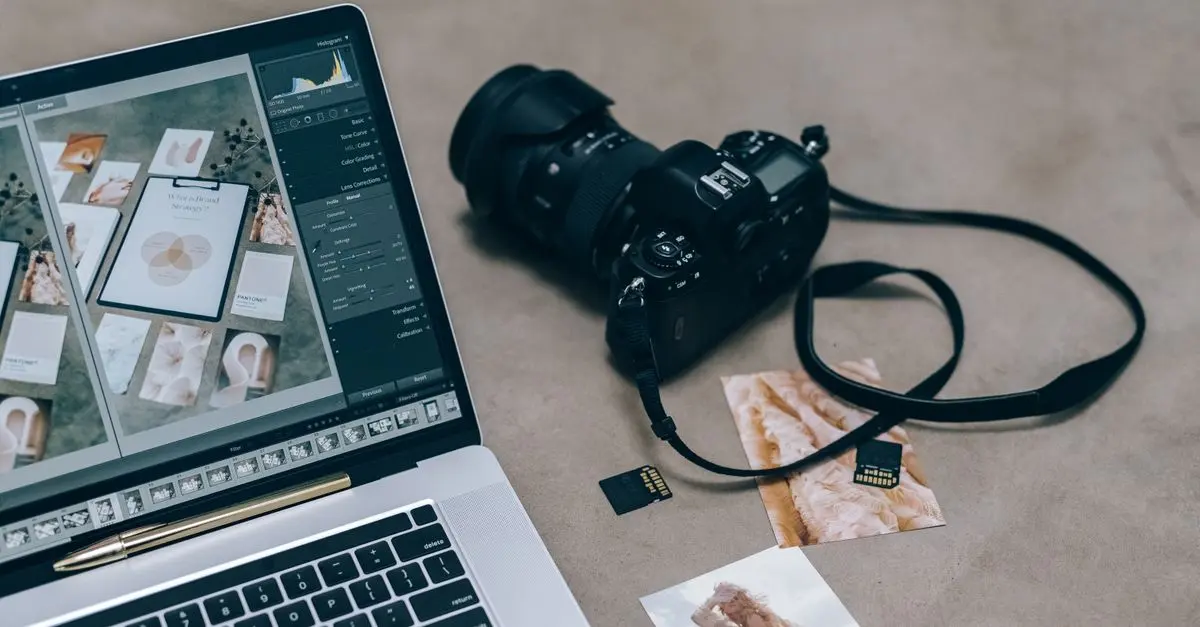
Investing in editing software like Adobe Lightroom is also essential, allowing you to enhance your images and develop your signature look.
4. Build a Portfolio
A strong portfolio is crucial when launching your photography career. Start by capturing various subjects that showcase your skills, including both assignments and personal projects. Target 10-20 of your best images that highlight diverse skills and techniques.
Additionally, consider using platforms like Flickr or Instagram to share your work and reach a broader audience. Impress potential clients by showing your ability to adapt to different styles while maintaining a coherent vision. An online presence on Behance could also enhance your portfolio's visibility.
5. Network and Promote Yourself
Networking can significantly impact your photography career. Attend local photography meetups, workshops, or exhibitions to interact with fellow photographers and potential clients. Create business cards with your best work and contact information to distribute during these meetings.
Utilizing social media platforms is crucial for self-promotion. Regularly post your latest work, engage with your audience, and use pertinent hashtags to increase visibility. Consider running promotional campaigns, such as offering discounted sessions for new clients, to build a customer base quickly.
6. Learn and Adapt Continuously
The photography landscape is ever-evolving, with new techniques and trends emerging regularly. Continuous learning is vital for staying relevant and skilled. This can include online courses, photography books, or even YouTube tutorials.
Many experienced photographers share insights about their journeys online. For example, consider joining forums like DPReview or groups on Facebook to exchange tips, critique each other's work, and learn from one another. Establishing a routine for practice and learning ensures your skills do not stagnate.
7. Set Your Pricing and Business Structure
Once you're ready to take on clients, it's essential to establish your pricing structure. Research competitive rates in your area and adjust your prices based on your skill level and the niche you’ve chosen. Understanding your costs is critical, whether it’s travel, equipment maintenance, or editing time.
Consider creating different packages to offer potential clients, such as mini-sessions, full sessions, and premium add-ons like prints or albums. Establishing a reliable business structure and contracts will also protect you and your clients.
📺 For further insights:
[Exploring the Beauty of Photography: Top Tips for Beginners],
A complete analysis of essential photography techniques. Search on YouTube:how to kickstart your photography career.
Checklist Before Starting Your Photography Career
- [ ] Understand the photography fundamentals.
- [ ] Pick your niche and style.
- [ ] Invest in essential equipment.
- [ ] Build a portfolio of your best work.
- [ ] Network and promote yourself effectively.
- [ ] Commit to continuous learning.
- [ ] Determine your pricing and business structure.
Glossary
| Term | Definition |
|---|---|
| Aperture | The opening in a camera lens that controls light and depth of field. |
| Shutter Speed | The length of time a camera's sensor is exposed to light, affecting motion capture. |
| ISO | A measure of a camera's sensitivity to light, affecting image brightness and noise. |
> 🧠 Quick Quiz: What is the main function of aperture in photography?
> - A) Speed of the camera sensor
> - B) Amount of light entering the lens
> - C) Picture resolution
> Answer: B — Aperture controls how much light enters the camera lens, affecting exposure and depth of field.
📺 Pour aller plus loin : how to kickstart your photography career sur YouTube