Table of Contents (12 sections)
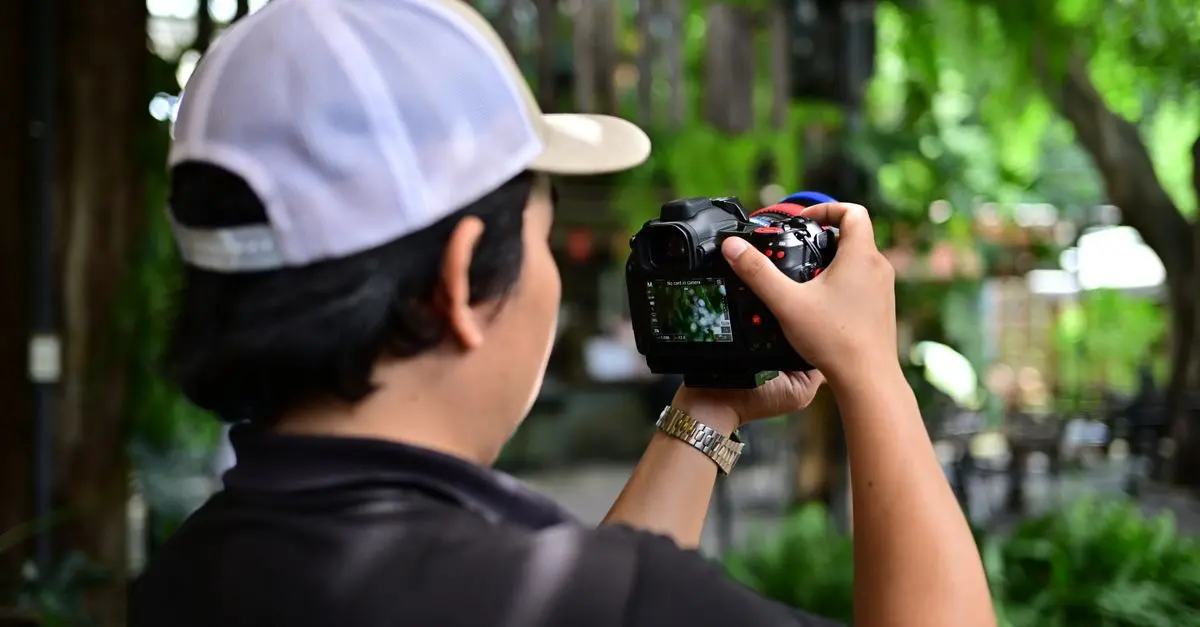
In a world where everyone carries a camera in their pocket, standing out as a skilled photographer requires practice, patience, and a willingness to learn. To effectively grow photography skills, aspiring photographers should embrace both creativity and technical knowledge. This guide provides practical steps to enhance your photography skills systematically and efficiently.
1. Understand the Basics of Photography
What is Photography? Photography is the art and practice of capturing images using light. Understanding the fundamentals, such as exposure, composition, and lighting, is crucial for any aspiring photographer.
Why Are the Basics Important? Knowledge of basic concepts helps you control the camera more effectively. For instance, understanding how aperture affects depth of field allows you to make intentional artistic choices that can elevate your work.
2. Practice Regularly and Experiment
Simply owning a camera does not make you a photographer. Regular practice is essential to improve your skills. Aim to take your camera out regularly, whether you’re capturing landscapes, street scenes, or portraits.
Consider trying different photography genres to find your niche. For instance, if you typically focus on portrait photography, explore landscape or wildlife photography. Experimenting with various styles will broaden your perspective and improve adaptability.
Additionally, set aside time for dedicated photo walks or projects. Challenge yourself with themes like macro photography or night photography to build confidence in using your camera’s settings.
3. Learn to Use Your Camera
Master Your Equipment - Regardless of whether you use a smartphone, a compact digital camera, or a professional DSLR, it’s vital to understand your equipment's capabilities and limitations. Familiarize yourself with settings such as ISO, shutter speed, and aperture.
Pro Tip: Read the manual that comes with your camera; it can reveal many features that enhance your photography but may be overlooked. Join online forums or local photography clubs, which can provide practical advice tailored to your specific model.
4. Pay Attention to Composition
Understanding composition is crucial for creating visually appealing images. Techniques such as the rule of thirds, leading lines, and framing can dramatically improve your shots.
Composition Techniques:
- Rule of Thirds: Divides an image into a 3x3 grid, placing points of interest along the lines or intersections.
- Leading Lines: Guides the viewer's eye through the image using natural lines.
- Framing: Uses elements within the scene (like branches or windows) to frame the subject.
Experiment with these techniques to see which ones resonate with your style. Look at the works of photographers you admire to understand how they apply these principles.
5. Edit Your Photos
Post-processing is a critical component of contemporary photography. Learning software like Adobe Lightroom or Photoshop can help you enhance your photos significantly. Start by adjusting basic parameters such as exposure, contrast, and color balance.
Avoid Common Pitfalls: While editing can enhance your work, over-editing can lead to unnatural results. Strive for subtlety to maintain the integrity of your original shot.
Consider attending workshops or taking online courses focused on editing. This investment of time will yield substantial improvements in your final images.
6. Get Feedback and Critique
Feedback is essential in the creative process. Engage with your photography community—whether online or in-person—to seek constructive critiques. Platforms like Instagram and photography blogs can offer avenues for sharing your work and gathering insights from experienced photographers.
Pro Tip: Join photography competitions and critique circles to understand standards and gain exposure. You might find inspiration in the work of others that can help shape your creative approach.
7. Build Your Portfolio
A professional portfolio is essential for showcasing your best work to potential clients or collaborators. Select your strongest images that reflect your unique style and skills. Ensure your portfolio includes a variety of genres to demonstrate versatility.
As you develop your photography skills, continuously update your portfolio to reflect your best work. Utilize platforms like Behance or Flickr for online exposure.
📺 Resources Video
> 📺 For further exploration: Comprehensive Guide to Photography Basics, a detailed breakdown of essential photography concepts. Search for "photography basics tutorial" on YouTube.
Comparison Table of Photography Techniques
| Techniques | Description | Pros | Cons |
|---|---|---|---|
| Rule of Thirds | Divides image into thirds | Creates balance | Can become predictable |
| Leading Lines | Guides viewer’s eye | Enhances depth | Requires thoughtful framing |
| Framing | Uses elements to frame subject | Adds context | Can clutter the image |
Glossary
| Term | Definition |
|---|---|
| Aperture | The opening in a lens that allows light to enter. Used to adjust brightness and depth of field. |
| ISO | Measures the sensitivity of your camera sensor to light. Higher ISO adapts for low-light scenarios but may add noise. |
| Shutter Speed | Refers to the length of time the camera shutter is open, affecting motion blur and exposure. |
Checklist for Growing Photography Skills
- [ ] Understand the basics of photography
- [ ] Practice regularly with different subjects
- [ ] Master your camera settings
- [ ] Experiment with composition techniques
- [ ] Enhance your photos through editing
- [ ] Seek feedback from peers
- [ ] Build and update your portfolio
🧠 Quick Quiz: What is the rule of thirds in photography?
- A) A method for framing the subject
- B) A setting for exposure adjustment
- C) A type of camera model
Answer: A — It helps visually balance and enhance photographs.
Continuously learning and adapting your skills is key to success in photography. Embrace each step as part of your unique journey toward becoming a talented photographer.
📺 Pour aller plus loin : photography skills tutorial 2026 sur YouTube