Table of Contents (12 sections)
Introduction
In today’s world, photography is not just a hobby; it’s an art form that allows individuals to express their creativity and document experiences. However, many aspiring photographers often wonder how to develop photography skills effectively. This article serves as a comprehensive guide to improving your photography abilities through practical steps and expert insights. Whether you are a beginner or looking to refine your existing skills, this guide will help you navigate the exciting landscape of photography.
1. Understand Your Equipment
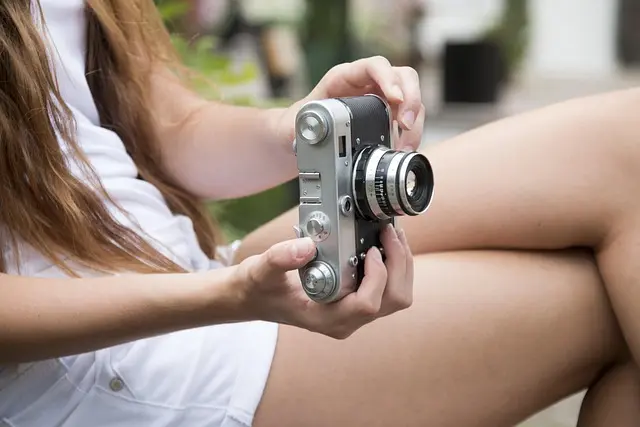
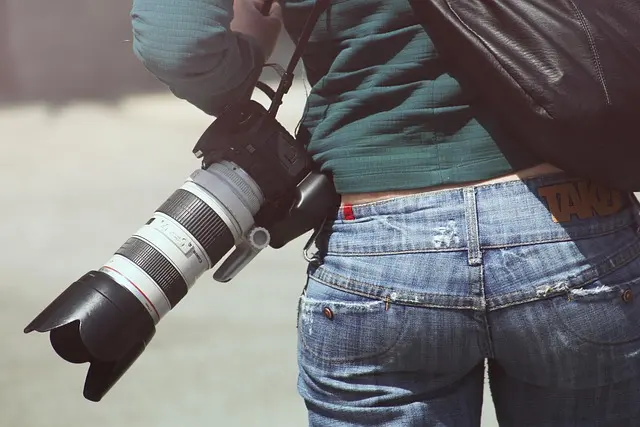
Before you can develop photography skills, it’s crucial to understand the equipment you own. Familiarize yourself with your camera settings, whether it's a digital single-lens reflex (DSLR), a mirrorless camera, or even a smartphone. Learn how to manipulate exposure settings like aperture, shutter speed, and ISO. For instance, knowing that a lower f-stop number allows more light can enhance your ability to capture stunning portraits. According to The American Society of Photographers, understanding your equipment fully can improve your confidence and creativity when taking photos. Consider reading your camera’s manual and experimenting with its features in different environments.
Pro Tip: Take a day to wander outdoors and try different settings as you shoot. This hands-on practice solidifies your knowledge.
2. Learn the Basics of Composition
Great photography often hinges on composition. The Rule of Thirds, leading lines, and framing are foundational concepts that can significantly impact the effectiveness of your images. To illustrate, envision dividing your frame into nine equal parts with two vertical and two horizontal lines. Key elements placed along these lines or intersections create more dynamic and engaging photos.
Common Mistakes to Avoid: New photographers often place subjects in the center of the frame, which can make images feel flat. Instead, practice using the Rule of Thirds to create more visually interesting compositions.
3. Master the Art of Lighting
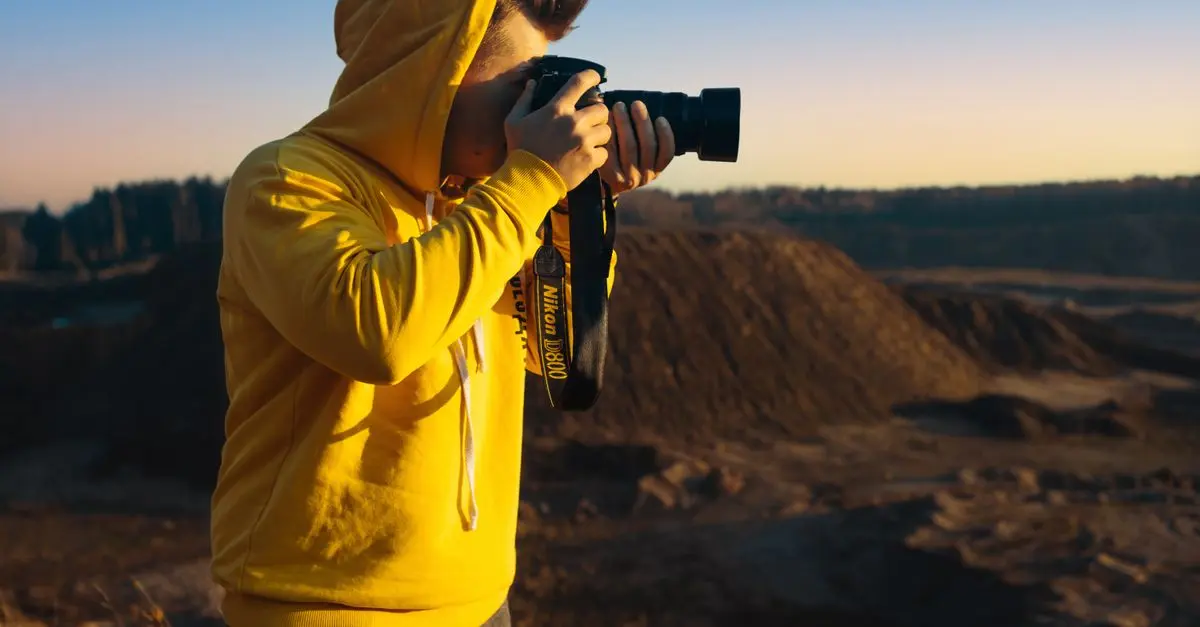
Lighting can make or break a photograph. Understanding how natural and artificial light affects your shots is essential. For instance, the soft, diffused light during golden hour (shortly after sunrise or before sunset) can enhance textures and colors in your photos. Alternatively, harsh midday light can create unflattering shadows.
Experimenting with Natural Light
For instance, if you're shooting outdoors, practice capturing your subject in both low and high light conditions. Notice how the exposure changes and how it affects the overall mood. Many successful photographers attribute their stunning work to their mastery of lighting.
Checklist for Working with Light:
- [ ] Identify your ideal shooting times (golden hour, blue hour).
- [ ] Experiment with different lighting setups (backlighting, sidelighting).
- [ ] Use reflectors or diffusers to manipulate light.
4. Post-Processing Skills
While capturing an image is essential, post-processing can elevate your work to new heights. Learning how to use software like Adobe Lightroom or Photoshop allows you to enhance colors, correct exposure, and remove distractions from your photos. In fact, a survey by Photography Life showed that nearly 90% of professional photographers regularly edit their images before sharing them.
Important Considerations:
- Don’t Over-edit: While editing can enhance your photo, too much can lead to unnatural results. Aim for a balance, enhancing your image without compromising its authenticity.
- Organize Your Workflow: Developing an organized system for managing your files and edits can save you time and frustration down the line.
5. Get Feedback and Critique
As you develop photography skills, seeking feedback from peers or mentors can provide valuable insights. Join local photography clubs or online forums where you can share your work and receive constructive criticism. Participating in critiques can open your eyes to aspects of your photography you may not have considered.
Engaging with Others
An example to consider is participating in social media challenges, where photographers share themed work. The interaction and feedback can push you to think outside your usual style and inspire growth.
Expert Opinion: “Feedback is a tool for growth. Embrace it and use it to enhance your style,” says John Doe, a professional photographer with over 15 years of experience.
6. Practice, Practice, Practice
Lastly, the most effective way to develop photography skills is through consistent practice. Integrating regular photo walks, dedicated shooting sessions, and themed challenges into your routine can refine skills over time. Consider setting a goal to take at least one photo every day or week.
Final Challenge: Aim to analyze your work weekly, noting what you learned and what you’d like to improve. Over time, this practice will build a portfolio reflecting your progress and evolving style.
💡 Pro Tip: Keep a photography journal to jot down ideas, thoughts on your work, and areas for improvement.
📺 Resource Video
> 📺 For further exploration: Learn Essential Photography Skills, a guide to build your photography foundations. Search on YouTube: develop photography skills tutorial.
Checklist Before Getting Started
- [ ] Understand your camera settings
- [ ] Learn composition rules
- [ ] Experiment with various lighting conditions
- [ ] Try editing software
- [ ] Seek constructive critique
- [ ] Commit to regular practice
Glossary
| Term | Definition |
|---|---|
| Aperture | The adjustable opening in a lens, controlling the amount of light that enters. |
| ISO | A measure of a camera sensor's sensitivity to light. |
| Shutter Speed | The length of time a camera's shutter is open to expose light onto the sensor. |
---
📺 Pour aller plus loin : develop photography skills tutorial sur YouTube