Table of Contents (12 sections)
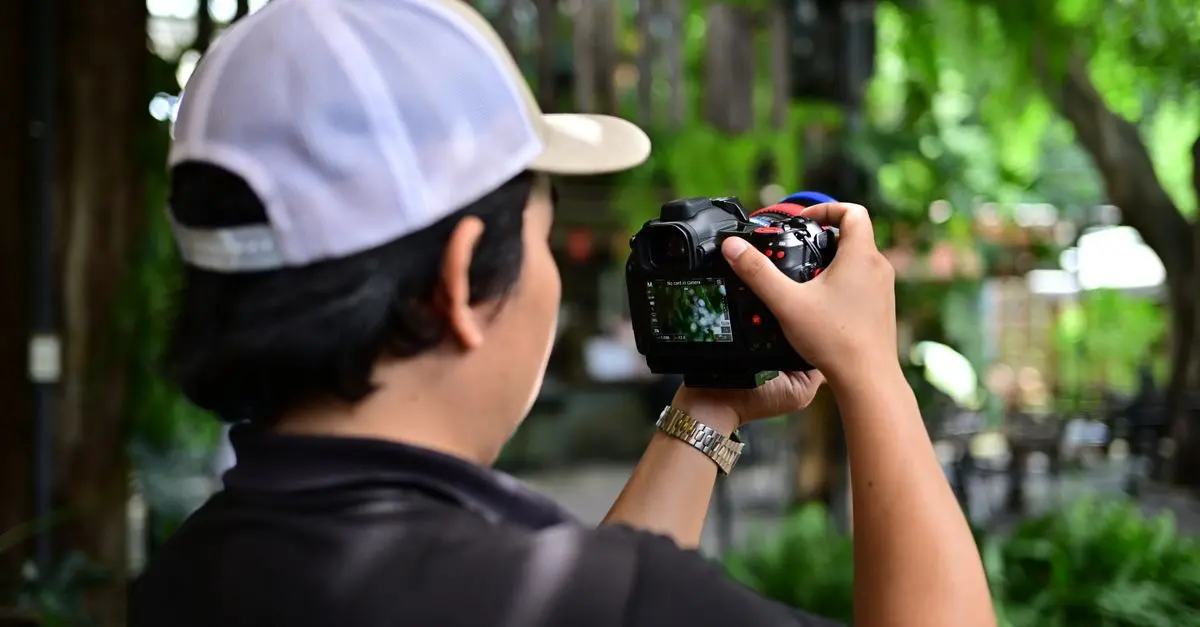
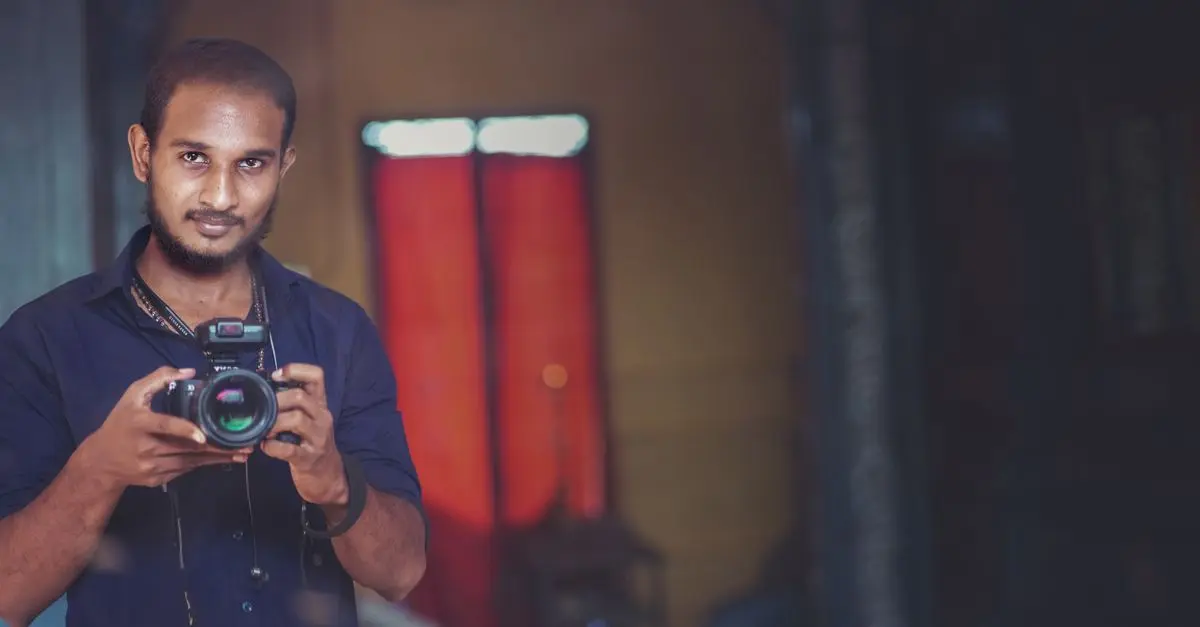
Developing photography skills is essential for anyone looking to become a proficient photographer. Whether you're a hobbyist or aiming for a professional career, understanding the foundational aspects of photography is crucial. Photography is not just about capturing images; it's about conveying stories, emotions, and experiences through visuals. A well-rounded skill set includes not only technical abilities, such as handling a camera, but also an artistic vision. In addition, staying updated with industry trends and techniques is vital to remaining competitive.
According to recent studies, the market for photography is projected to continue growing, with a surge in demand for high-quality images across various platforms, from social media to advertising. As a result, enhancing your photography skills can significantly impact your career opportunities and creative endeavors.
To embark on this journey effectively, explore the following actionable tips that can serve as a comprehensive guide.
Invest in Quality Equipment
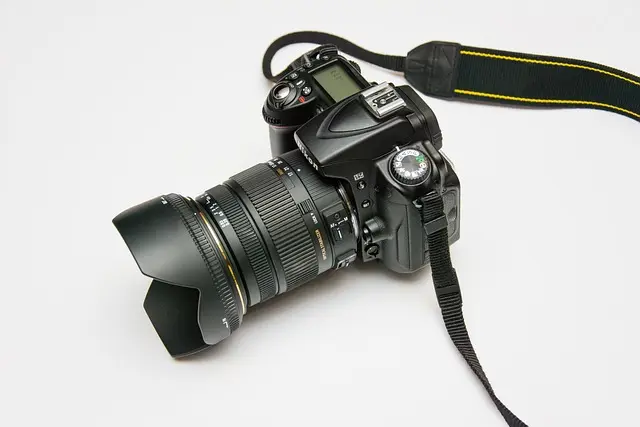
Investing in quality photography equipment is essential for improving your skills. While you don't need to buy the most expensive camera on the market, having a reliable camera with good lens options can significantly enhance your photography. A DSLR or mirrorless camera often offers more control over settings compared to a basic point-and-shoot camera.
In addition to the camera, don't forget about accessories. Items like sturdy tripods, reflectors, and quality lens pouches can elevate your shooting experience. For instance, considering a specialized utility photography belt can keep your gear organized and accessible, allowing you to focus on capturing the perfect shot rather than fumbling for equipment. Many photographers have found that organized gear leads to increased creativity and reduces stress during shoots.
Master the Basics of Composition
Composition is a fundamental aspect of photography that can make or break an image. Understanding compositional techniques such as the rule of thirds, leading lines, and framing can significantly improve your photography. The rule of thirds suggests that you divide your frame into three equal parts both horizontally and vertically, placing points of interest along these lines or their intersections.
Experiment with compositions by capturing the same scene in different ways. This practice allows you to discover what works best and develop your unique style. Analyzing works from renowned photographers can also provide insights into effective composition techniques and inspire your creativity.

Gb-1 Utility Photography Belt Lens Pouches Case With 4 Metal D-rings
Darty FR
Sponsored by Awin Bruno

6inch USB LED Video Light Dimmable Ring Lamp for Photography Selfie Live Studio
Darty FR
Sponsored by Awin Bruno

Schwarzkopf Igora Royal Colour & Care Developer 12% 40 Vol 1000ml
DocMorris FR (ex DoctiPharma FR)
Sponsored by Awin Bruno
Embrace Different Styles and Genres
Don't be afraid to experiment with various photography styles and genres. From portrait and landscape photography to street and wildlife photography, each genre has its own challenges and learning experiences. Embracing multiple styles can enhance your versatility as a photographer.
For instance, mastering portrait photography can help you understand lighting and poses, enhancing your ability to capture emotions, while landscape photography can improve your skills in composition and patience. Each genre teaches different techniques and nurtures diverse skills, which ultimately leads to holistic improvement in your photography abilities.
Learn Post-Processing Techniques
In 2026, post-processing plays a pivotal role in photography. Learning software like Adobe Lightroom or Photoshop can significantly impact the final outcome of your images. Post-processing allows you to correct exposure, enhance colors, and add creativity to your photographs.
Start by familiarizing yourself with basic tools such as cropping, color correction, and sharpening. As you grow comfortable, delve into advanced techniques like retouching and layering. Many photographers emphasize that post-processing is as important as taking a photo, as it can elevate ordinary shots into stunning visuals. Engaging with online tutorials or workshops can accelerate your learning curve.
Participate in Photography Communities
Being part of photography communities can open up opportunities for learning and networking. Online forums, social media groups, and local photography clubs often provide invaluable feedback and support. Participating in discussions and critiques can help you gain new perspectives on your work while learning from others' experiences.
Engaging with a community can also encourage you to step outside your comfort zone. Consider joining challenges or collaborative projects, which often lead to fresh ideas and inspiration. Continuous feedback from peers can guide your development and motivate you to strive for improvement.
Set Personal Projects
Setting personal photography projects can be incredibly beneficial for developing your skills. These projects prompt you to engage with your camera regularly and push your creativity. You can choose themes, such as color palettes, emotions, or even time of day, to help focus your shooting sessions.
Documenting your progress is also essential. Keeping a photography journal where you note down your observations, challenges, and triumphs can enhance your reflection and growth as a photographer. This practice encourages you to be intentional in your approach and appreciate your development over time.
Analyze and Learn from Critiques
Receiving constructive criticism is an essential part of improving your photography skills. Share your work with trusted friends or mentors who can provide honest critiques. Learning how to accept feedback graciously is critical to your growth, as it encourages you to identify areas for improvement.
Taking time to critique not only your work but also that of others can sharpen your eye. By analyzing what does and doesn’t work in various photographs, you can refine your understanding of good photography practices. Many professionals recommend creating a system for collecting feedback and setting specific goals based on the critiques received.
Check Your Technical Skills Regularly
As with any other skill, revisiting technical aspects of photography can enhance your abilities. Regularly practicing with exposure settings, depth of field, and white balance allows you to stay sharp. Use your time behind the lens to familiarize yourself with your camera’s manual settings to maximize creative control.
Many photographers suggest exploring different lighting conditions and environments to enhance adaptability. The more you practice, the easier it becomes to handle different situations, turning you into a confident photographer regardless of the challenges presented.
📺 For Further Learning:
[Photography Basics: Master the Essential Skills], an insightful video analyzing various techniques. Search on YouTube: "photography techniques 2026".
Glossary
| Terme | Définition |
|---|---|
| Composition | L'arrangement des éléments dans une photo pour créer un impact visuel. |
| Post-Processing | L'édition des photos après qu'elles aient été prises pour améliorer la qualité. |
| Exposure | La quantité de lumière qui atteint le capteur d'une caméra lors de la prise de vue. |
Checklist for Skill Development
- [ ] Invest in quality photography equipment
- [ ] Master the basics of composition
- [ ] Explore different photography styles
- [ ] Learn key post-processing techniques
- [ ] Engage with photography communities
- [ ] Set personal photography projects
- [ ] Analyze and learn from critiques
- [ ] Regularly check your technical skills
By embracing these diverse strategies, you're not only developing your photography skills but also cultivating a deeper appreciation for the visual art form. The journey of becoming a photographer is continuous, full of opportunities for growth and exploration. So grab your camera, start snapping, and watch how your skills blossom!
💡 Expert Opinion: Regular evaluations of your work by peers can usher in new insights. It enhances creativity through collaborative engagement.
📺 Pour aller plus loin : photography techniques 2026 sur YouTube
Recommended products
Selected by our experts
Gb-1 Utility Photography Belt Lens Pouches Case With 4 Metal D-rings
Darty FR
This utility photography belt is perfect for organizing your gear, allowing easy access during shoots.
Sponsored by Awin Bruno
6inch USB LED Video Light Dimmable Ring Lamp for Photography Selfie Live Studio
Darty FR
A dimmable ring lamp is essential for consistent lighting, enhancing your portrait photography.
Sponsored by Awin Bruno
Schwarzkopf Igora Royal Colour & Care Developer 12% 40 Vol 1000ml
DocMorris FR (ex DoctiPharma FR)
This product supports equipment care and longevity, essential for any serious photographer.
Sponsored by Awin Bruno