Table of Contents (11 sections)
Photography is not just about clicking the shutter; it's about capturing moments, emotions, and stories. If you're looking to develop photography skills, you're in the right place. This guide will walk you through every step to refine your techniques and enhance your creativity.
Step 1: Understand Your Equipment
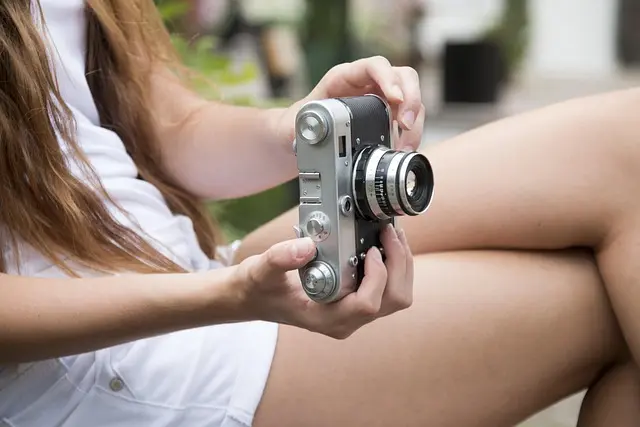
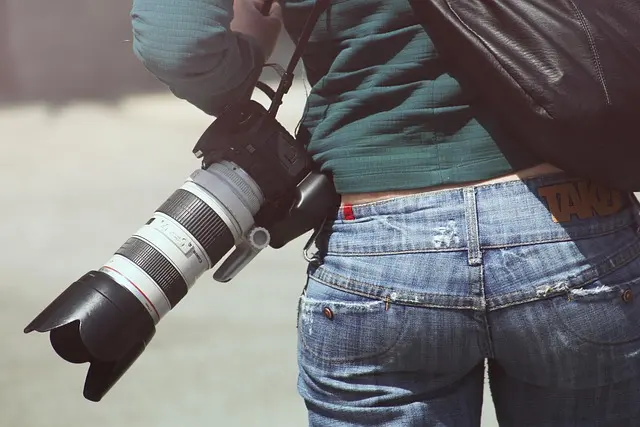
Before diving into photography, taking the time to familiarize yourself with your camera and its functionalities is crucial. If you're a beginner, start with a DSLR or mirrorless camera that offers manual controls. Read through your camera’s manual to understand essential features such as exposure, aperture, ISO, and shutter speed. You may also want to explore various lenses; each has its unique characteristics suitable for different photography styles.
Additionally, practice changing settings and taking test shots to see how they affect your images. Many photographers find it beneficial to join online forums or local clubs where they can learn from the experience of others. Sharing your questions and experiences can offer new perspectives on using your equipment effectively.
Step 2: Learn the Basics of Composition
Understanding compositional techniques can significantly enhance your photographs. Start with the Rule of Thirds, where you divide your frame into a grid of nine equal parts and place focal points on the intersecting lines. Experimenting with composition can turn an ordinary photo into an extraordinary one. Other essential compositional elements include leading lines, framing, and symmetry.
When taking portraits, consider the Golden Ratio to create a balance within your shots, leading the viewer's eye toward the subject. Practice different compositions while being mindful of the foreground, middle ground, and background in your images. Don't hesitate to move around your subject to discover unique angles and perspectives!
Step 3: Master Different Techniques
As you become more comfortable with your camera and composition, it's time to explore specific photography techniques. For instance, Long Exposure can create stunning effects with moving elements, like flowing water or city lights at night. Using filters such as Neutral Density (ND) can help you achieve longer exposures even in bright conditions.
Experiment with Macro Photography to capture intricate details of small subjects, or venture into Street Photography to capture candid moments in public spaces. Practicing different techniques will help you find your unique style. Keep in mind that every technique has its learning curve — embrace the challenges!
Step 4: Develop Post-Processing Skills
In today's digital age, mastering post-processing is just as vital as taking the shot. Software like Adobe Lightroom and Photoshop can elevate your images significantly, allowing you to enhance colors, correct exposure, and remove distractions.
Start with basic adjustments such as cropping, adjusting contrast, and fine-tuning saturation. As you become more confident, explore advanced techniques like layering and masking. Online tutorials can be a fantastic resource for learning these skills. Just remember, while post-processing is crucial, the goal is to enhance a photo, not completely transform it into something unrecognizable.
Step 5: Seek Feedback and Critique
Share your work with other photographers for constructive feedback. Joining online photography communities or local clubs can facilitate valuable discussions and critiques. When receiving feedback, be open-minded and willing to learn from the perspectives of others.
Additionally, studying the works of renowned photographers can provide insights into what makes compelling images. Try to analyze what you like about a particular photo and how you might incorporate similar principles into your work. Don’t shy away from asking questions — most photographers are happy to share their tips and experiences!
Step 6: Create a Photography Project
To really hone your skills, consider embarking on a personal photography project. This could be a 30-day photo challenge where you create something new each day or focusing on a specific theme or subject matter for an extended period. Projects encourage consistency and can lead to unexpected creativity and growth.
Working on a project also gives you a portfolio of your work, which is invaluable if you ever decide to pursue photography professionally or semi-professionally. Share your progress on social media or photography blogs to engage with fellow photographers and gain different viewpoints.
Step 7: Invest in Further Learning
Even established photographers find value in continued education. Take classes, attend workshops, or go online for tutorials that focus on specifics like lighting, portraiture, or landscape photography. Investing in your education not only enhances your skills but can also renew your passion for photography.
Attending photography exhibitions or guest lectures can also inspire and guide you on techniques that perhaps you haven't explored yet. Remember, the photographic journey is ongoing, and there is always something new to learn!
Checklist for Developing Photography Skills
- [ ] Understand your camera's settings and features
- [ ] Practice composition techniques
- [ ] Experiment with various photography styles and techniques
- [ ] Learn basic and advanced post-processing skills
- [ ] Seek feedback from peers and mentors
- [ ] Undertake a personal photography project
- [ ] Invest in further learning opportunities
📺 For further learning:
Video Title: Essential Tips for Mastering Photography Techniques — Search on YouTube: how to develop photography skills 2026.
Glossary
| Term | Definition |
|---|---|
| Aperture | The opening in a lens through which light passes, affecting exposure. |
| Shutter Speed | The duration for which a camera shutter is open, influencing motion capture. |
| ISO | Measurement of a camera's sensitivity to light, affecting exposure in images. |
> 🧠 Quick Quiz: What technique helps enhance the aesthetic quality of an image?
> - A) Exposure
> - B) Composition
> - C) Post-Processing
> Answer: B — Composition significantly improves how images are perceived and understood.
📺 Pour aller plus loin : The Real Skills Portrait Photographers Need in 2026 with SARAH EDMUNDS sur YouTube