Table of Contents (17 sections)
In the ever-evolving world of photography, selecting the right photography course can significantly impact your journey as a photographer. The options available today are vast, from online classes to in-person workshops, making it crucial to find the course that aligns with your skills and aspirations.
In this comprehensive guide, we'll explore step-by-step how to identify the right course for you while considering various factors that influence your decision.
Step 1: Assess Your Current Skills
Before diving into the plethora of options, it’s essential to evaluate your current photography skills. Are you a complete novice just starting, or do you have some experience and want to refine your abilities? Knowing where you stand will help you narrow down the course offerings.
Consider taking an online skills assessment or engaging in a self-reviewed project. This self-evaluation will not only inform you of your current level but also highlight specific areas you wish to improve, such as portrait photography, landscape photography, or post-processing skills. For example, if you find yourself struggling with the basic principles of composition or lighting, a foundational course would be beneficial.
Tips:
- Utilize online platforms that offer quizzes to assess your photography skills.
- Make a list of specific areas you want to improve.
Step 2: Define Your Learning Goals
Once you have a clear understanding of your skills, the next step is to outline your learning goals. What do you hope to achieve by taking a photography course? Your goals could range from becoming a professional photographer to simply enhancing your hobby.
If your ambition is to pursue a career in photography, consider comprehensive courses that cover a range of topics, including technical skills, business aspects, and creative techniques. On the other hand, if you're looking to develop your hobby, shorter workshops or specific topic-focused classes may be more appropriate.
Examples of Goals:
- Attaining a professional certification in photography.
- Learning how to use photography software effectively.
- Mastering advanced techniques like long exposure or double exposure.
Step 3: Research Course Options
With your skills assessed and goals defined, it’s time to research available photography courses in various formats—online, in-person, short-term, or lengthy certification programs. Online platforms like Skillshare, Udemy, or dedicated photography schools offer a wide array of courses.
When researching, consider factors such as:
- Course Content: Examine the syllabus and ensure it covers your desired topics.
- Instructor Qualifications: Look for courses led by qualified instructors with a substantial portfolio and experience in the field.
- Reviews and Testimonials: Check ratings and feedback from past students to gauge the effectiveness of the course.
Create a shortlist of potential courses, noting their strengths and weaknesses based on your research findings.
Helpful Resources:
- Browse platforms like Coursera or MasterClass for high-quality courses.
- Join photography forums or social media groups for personal recommendations.
Step 4: Compare Cost vs. Value
Photography courses can vary significantly in cost. While it may be tempting to choose the cheapest option, evaluating the value you’ll receive is critical. Higher-priced courses often offer unique benefits such as personalized feedback, access to exclusive content, and networking opportunities.
Cost-Benefit Analysis:
| Criterion | Budget Course | Mid-range Course | Premium Course | Verdict |
|---|---|---|---|---|
| Content Depth | Basic | Moderate | Comprehensive | Choose Mid |
| Instructor Expertise | Note Lacks | Good Experience | Top Industry | Choose Premium |
| Peer Interaction | Limited | Some | Dedicated Support | Choose Premium |
| Certification | No | Yes | Yes | Choose Mid |
Step 5: Consider the Learning Format
The learning format is essential to your comfort and retention of information. Some individuals thrive in interactive environments, while others prefer self-paced learning.
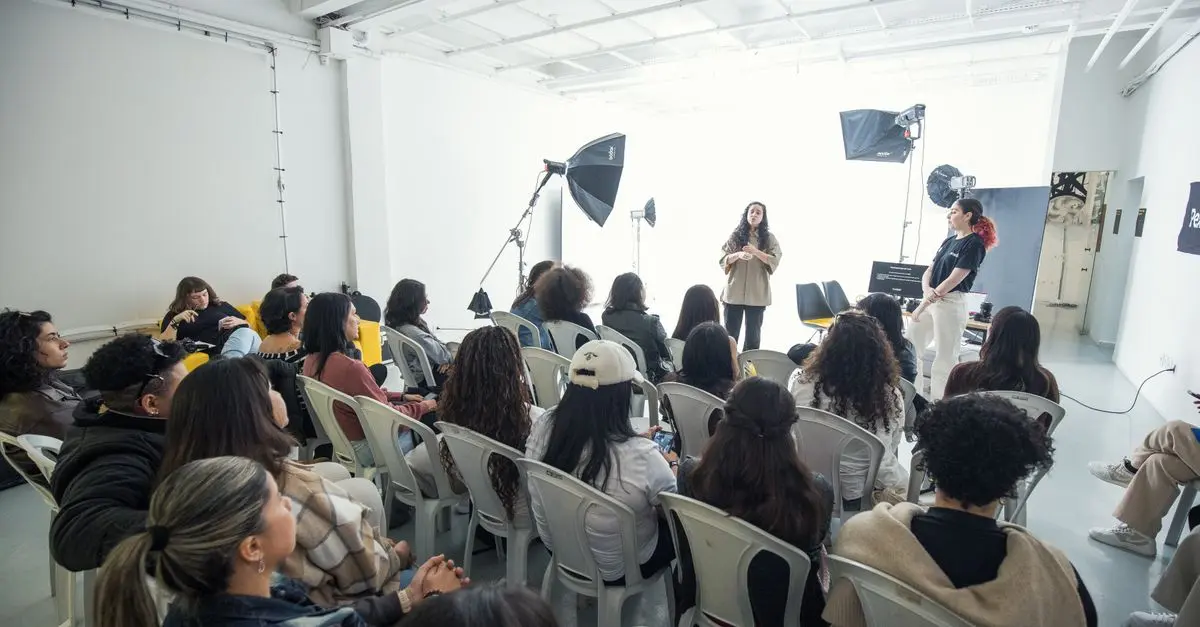
Consider whether you want hands-on experience with a mentor present, or if online watching and practicing solo works better for you. Online courses often provide flexibility, while in-person workshops can offer instant feedback and a collaborative atmosphere. Think about your own learning style when making this choice.
Formats to Consider:
- Online Courses: Flexible, self-paced, often recorded.
- In-person Workshops: Immersive, hands-on, and direct instructor feedback.
- Hybrid Options: A blend of both, offering flexibility with access to live instruction.
Step 6: Seek Community and Feedback
Finally, once you've selected a photography course, engaging with a community of fellow learners can enhance your experience. Online forums, local photography clubs, and social media groups are excellent resources for support, feedback, and networking.
Feedback from peers can provide fresh perspectives on your work, pushing you to improve and explore new ideas. Moreover, connecting with other photographers can lead to collaborations and opportunities in the industry.
Where to Connect:
- Join local photography clubs or community groups.
- Participate in online forums such as DPReview or PhotographyTalk.
Checklist before Enrolling
- [ ] Assess your current photography skills.
- [ ] Set clear learning goals.
- [ ] Research various course options thoroughly.
- [ ] Compare costs versus expected value.
- [ ] Determine your preferred learning format.
- [ ] Engage with fellow photography enthusiasts.
📺 Resource Video
> 📺 To go further: A comprehensive guide to selecting photography courses is available. Search on YouTube for: photography course selection tips 2026.
Conclusion
Choosing the right photography course is crucial for your development as a photographer. By assessing your skills, defining your goals, researching options, and engaging with a community, you'll be well on your way to making an informed choice that aligns with your aspirations. Happy shooting!
Glossary
| Term | Definition |
|---|---|
| Digital Photography | The process of capturing images electronically. |
| Camera Settings | Adjustments like aperture, shutter speed, and ISO that influence image quality. |
| Composition | The arrangement of elements within a photo, crucial for an appealing aesthetic. |
---
📺 Pour aller plus loin : Photography Marketing Hacks That Actually WORK in 2026 sur YouTube
Recommended products
Selected by our experts
Skip's Garage Golf Course Cornhole Board Set
bedbathandbeyond.com
This product can enhance your creative environment and is ideal for practicing photography skills.