Table of Contents (11 sections)
Introduction to Developing Photography Skills
In today’s visual-centric world, learning how to develop photography skills is essential for anyone looking to make their mark. Whether you're an aspiring photographer or simply enjoy capturing moments, understanding the art and technique involved can elevate your work significantly. Photography is a blend of creativity and technical skill that can take time to master. By following a structured approach, you can build a solid foundation and progressively refine your skills, allowing your unique vision to shine through your images.
Understanding Your Camera and Equipment
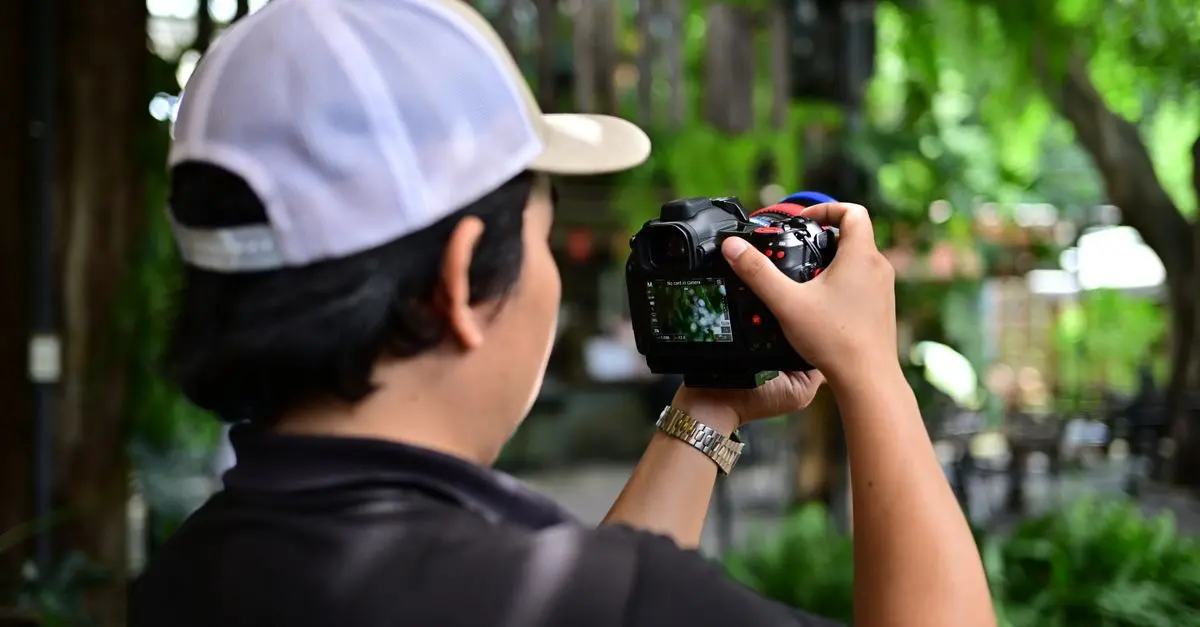
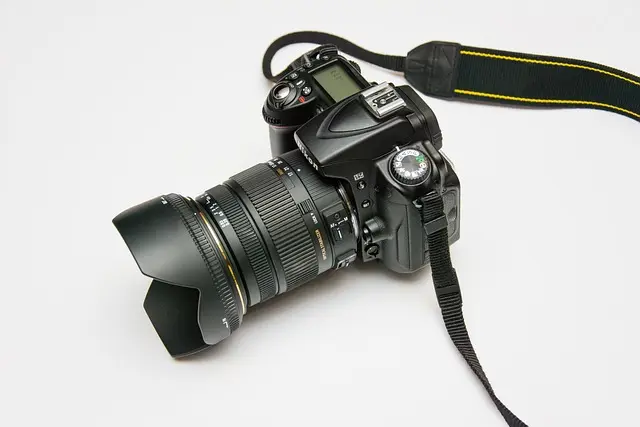
Before diving into photography, it's crucial to understand the equipment you’ll be using. Knowledge of your camera settings, lenses, and accessories is fundamental. Start by familiarizing yourself with your camera’s manual to learn about its different functions:
- Light Metering Modes: Learn how to adjust your settings based on the lighting conditions.
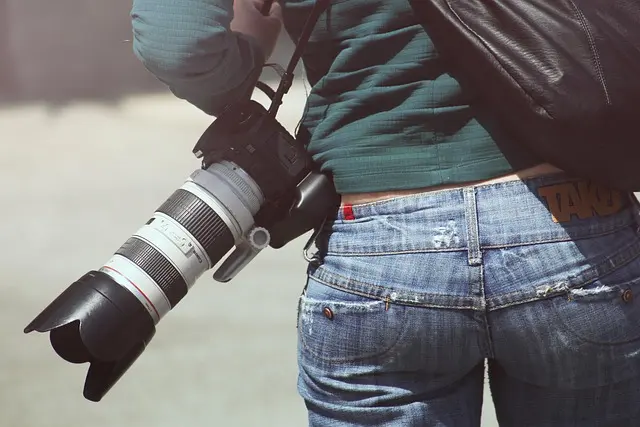
- Types of Lenses: From wide-angle to telephoto, each lens serves a specific purpose.
- Tripods and Filters: Understanding how these accessories can enhance stability and image quality is vital.
Many photographers recommend starting with a DSLR or a mirrorless camera, as these provide significant control over settings. According to The Photography Institute, 72% of successful photographers strongly suggest mastering equipment operation before exploring advanced techniques. Remember, the more you understand your gear, the easier it becomes to capture high-quality images.
Mastering Composition Techniques
Composition is the backbone of great photography. To develop photography skills, understanding composition rules can significantly enhance your images. Here are some essential components:
- Rule of Thirds: This involves dividing your frame into a 3x3 grid, placing subjects at intersection points for a balanced look.
- Leading Lines: Use natural lines in your scene to lead the viewer’s eye into the photograph.
- Framing: Utilize elements within your scene to create a frame around your subject, adding depth.
Practicing these techniques will improve your visual storytelling. According to a study from the National Association of Schools of Art and Design, good composition is one of the most predictive factors of a photograph's appeal. Try experimenting with various compositions; take multiple shots from different angles and viewpoints.
Learning Exposure: Aperture, Shutter Speed, and ISO
Exposure is a critical element in photography, and mastering aperture, shutter speed, and ISO will elevate your work:
- Aperture (f-stop): This controls the amount of light hitting your sensor. A lower f-stop creates a shallow depth of field, ideal for portraits, while a higher f-stop ensures more of the scene is in focus - useful for landscapes.
- Shutter Speed: This determines how long your camera sensor is exposed to light. Faster speeds are ideal for action shots, while slower speeds can create motion blur effects.
- ISO: This controls your camera's sensitivity to light. While a higher ISO can help in low-light conditions, it can introduce noise in your images.
To illustrate this, consider a scenario: shooting a moving subject at a high speed would likely require a fast shutter speed (1/500s or faster) combined with a lower aperture to ensure clarity without overexposing the shot.
Editing Your Photos
Post-processing is an essential skill in digital photography. Learning how to edit effectively can turn good images into great ones. Start with software like Adobe Lightroom or Photoshop, focusing on adjustments that enhance, not alter, the photograph's essence:
- Color Correction: Adjusting white balance and saturation can transform your images.
- Cropping: Don’t hesitate to crop an image for better composition.
- Sharpening: Enhancing the focus can bring out detail, but don’t overdo it as this can cause noise.
Research from Fstoppers indicates that about 70% of photographers consider editing a critical aspect of their workflow, suggesting that an image can change character dramatically with the right tweaks. Start by practicing basic edits, gradually progressing to more advanced techniques as your skills develop.
Building Your Portfolio
As you develop your photography skills, assembling a strong portfolio is essential. Your portfolio serves not just as proof of your abilities but as a personal branding tool. Here’s how to go about it:
- Select Your Best Work: Choose images that best showcase your unique style and technical prowess. Aim for a cohesive theme that reflects your vision.
- Include Various Styles: Showcase different genres such as portraits, landscapes, and street photography to demonstrate your versatility.
- Seek Feedback: Sharing with other photographers or online communities can provide valuable insights for improvement.
According to PhotoShelter, having a diverse yet tailored portfolio can result in increased client inquiries by up to 35%, indicating the impact of presentation on opportunity.
Conclusion and Next Steps
Developing photography skills is an ongoing journey involving practice and exploration. The steps outlined here are just the beginning. The more you shoot, experiment with techniques, and dive into the editing process, the closer you’ll get to becoming proficient in photography.
Checklist Before You Begin
- [ ] Read and understand your camera manual.
- [ ] Experiment with different camera settings.
- [ ] Practice composition techniques in various lighting conditions.
- [ ] Utilize editing software to learn post-processing basics.
- [ ] Curate a series of images for your portfolio.
Glossary
| Term | Definition |
|---|---|
| Aperture | The opening in a lens that controls light intake and depth of field. |
| Shutter Speed | The length of time a camera’s shutter is open to expose light onto the sensor. |
| ISO | The sensitivity of your camera's sensor to light, affecting exposure and noise levels. |
Quick Quiz
> 🧠 Quick Quiz: What is the primary purpose of the rule of thirds?
> - A) To increase shutter speed
> - B) To create balance in composition
> - C) To enhance color saturation
> Answer: B — The rule of thirds helps create a balanced composition in photography.
📺 For further learning: *Explore advanced photography techniques and tips on our YouTube channel. Search for:
photography tips for 2026.
📺 Pour aller plus loin : photography tips for 2026 sur YouTube