Table of Contents (14 sections)
As photography continues to evolve, aspiring photographers face both challenges and opportunities in honing their skills and making a mark in the industry. Whether you're just starting out or looking to enhance your current skills, understanding the foundational aspects of photography is essential. This article presents 10 essential tips for aspiring photographers to not only improve their craft but also to build a successful career in this dynamic field.
1. Master Your Camera
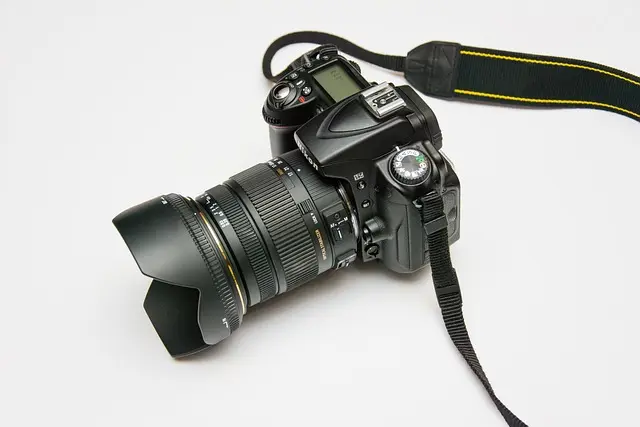
To truly excel in photography, you must first understand your equipment. Familiarize yourself with every function of your camera, whether it's a DSLR, mirrorless, or even a smartphone. Read the manual, practice with different settings, and explore modes like aperture priority and manual mode. Understanding ISO, shutter speed, and aperture will enable you to manipulate light creatively. Take advantage of resources like online tutorials and workshops offered by brands like Canon and Nikon to deepen your knowledge on camera settings. The more you know, the more control you’ll have over your creativity.
2. Develop a Unique Style
A signature style is what sets successful photographers apart. Take time to experiment with various techniques and subjects until you find what resonates with you. Analyze the work of influential photographers such as Ansel Adams or Annie Leibovitz and identify elements that speak to you. Create a mood board that reflects your preferred styles and subjects. Consistently practicing these styles will help solidify your unique perspective in your photography.
3. Understand Composition Techniques
Composition is the backbone of powerful photography. Familiarize yourself with the rule of thirds, leading lines, framing, and symmetry to create visually appealing images. These techniques help draw viewers into your photographs. For instance, the rule of thirds encourages placing your subject off-center to create balance. You can find plenty of online resources and videos that illustrate these concepts effectively. Practicing different compositions during shoots will enhance your visual storytelling.
4. Utilize Natural Light
Lighting is critical in photography, particularly for beginners. Natural light can dramatically influence the mood and clarity of your images. Experiment with shooting during the golden hours—shortly after sunrise and before sunset—when light is soft and warm. According to studies, the best photographs capture subjects in natural light that enhances texture and color. Understanding how to manipulate light, including backlighting and sidelighting, can elevate your work. Consider investing in reflectors or diffusers to control light better during outdoor shoots.
5. Practice, Practice, Practice
The adage “practice makes perfect” holds true in photography. Make it a habit to shoot regularly—aim for at least once a week. Explore different settings, subjects, and styles to broaden your skillset. Consider joining local photography clubs or online communities to participate in challenges that push you outside your comfort zone. Engaging with peers for feedback can provide valuable insights and help you grow.
6. Invest in Quality Editing Software
Post-processing is a crucial aspect of modern photography. Software like Adobe Lightroom and Photoshop offers powerful tools to enhance, retouch, and manipulate your images. Learning to edit can vastly improve your final product. Start by watching tutorial videos on platforms like YouTube or taking online courses. You can also experiment with mobile editing apps to understand usage on-the-go. Knowing how to edit effectively will allow your photography to shine in its best light.
7. Build a Portfolio
As you start accumulating quality photos, building a professional portfolio becomes essential. Include a diverse range of work that showcases your skills and unique style. Use platforms like Behance, Flickr, or even personal websites to present your portfolio. A well-curated portfolio not only reflects your growth but also attracts potential clients and employers. Make sure to keep updating it with your best recent work to show progress.
8. Network with Other Photographers
Networking is crucial in any creative field, especially photography. Attend workshops, exhibitions, and photography meet-ups to connect with peers. Use social media platforms like Instagram and Facebook groups dedicated to photography to engage with fellow photographers. Collaborating with others can lead to unique projects and enhance your visibility in the community.
9. Master the Business Side
Understanding the business aspect of photography is vital for success. This includes marketing, managing finances, and pricing your work. Develop a strategy to market yourself through social media, workshops, or exhibitions. Consider creating a website for your photography and creating an online presence where potential clients can easily discover your work. Learn about contracts, licensing, and taxes, so you're financially prepared as you pursue photography as a career. According to a report by Statista, nearly 32% of photographers indicated that managing business aspects was a challenge for them.
10. Seek Feedback and Accept Criticism
Receiving constructive feedback is an important part of growth in photography. Share your work with mentors or peers and be open to criticism. Join photography forums or communities where you can share your work and receive honest opinions. Accepting criticism gracefully will help strengthen your skills and push you to improve further. Remember, even seasoned photographers seek feedback to stay current and motivated.
📺 For further exploration:
[Essential Photography Tips for Beginners], a comprehensive guide on foundational skills. Search on YouTube:
"photography tips for beginners 2026"
Glossary
| Term | Definition |
|---|---|
| Aperture | The opening in a lens that controls the amount of light reaching the sensor. |
| ISO | A measure of the camera's sensitivity to light, affecting exposure and noise. |
| Shutter Speed | The duration for which the camera shutter is open, influencing motion capture and exposure. |
Checklist for Aspiring Photographers
- [ ] Master your camera settings
- [ ] Develop a unique photography style
- [ ] Understand composition techniques
- [ ] Practice using natural light effectively
- [ ] Commit to regular practice
- [ ] Learn editing software
- [ ] Build and showcase your portfolio
- [ ] Expand your network with other photographers
- [ ] Learn essential business skills
- [ ] Seek and embrace constructive feedback
🧠 Quick Quiz: What is the best time for natural light photography?
- A) Midday
- B) Golden hour
- C) Dusk
Answer: B — Golden hour is known for its soft light, perfect for photography.
📺 Pour aller plus loin : photography tips for beginners 2026 sur YouTube