Table of Contents (12 sections)
Choosing the right photography equipment as a beginner can be overwhelming. The myriad of options available can leave you wondering which items will meet your needs while maximizing your investment. This guide will break down the essential gear and help you navigate your choices effectively.
Step 1: Define Your Photography Style
Before investing in photography equipment for beginners, it's crucial to identify your preferred style. Are you drawn to portraits, landscapes, or macro photography? Understanding your interests will guide your gear selection. For example, landscape photographers benefit from wide-angle lenses, while portrait photographers often prefer prime lenses that provide shallow depth of field. Take time to explore various styles and research what gear aligns with your goals. According to a survey by Les Numériques, 60% of beginner photographers found clarity in their style led to better equipment choices.
Step 2: Start with the Basics: Camera Body
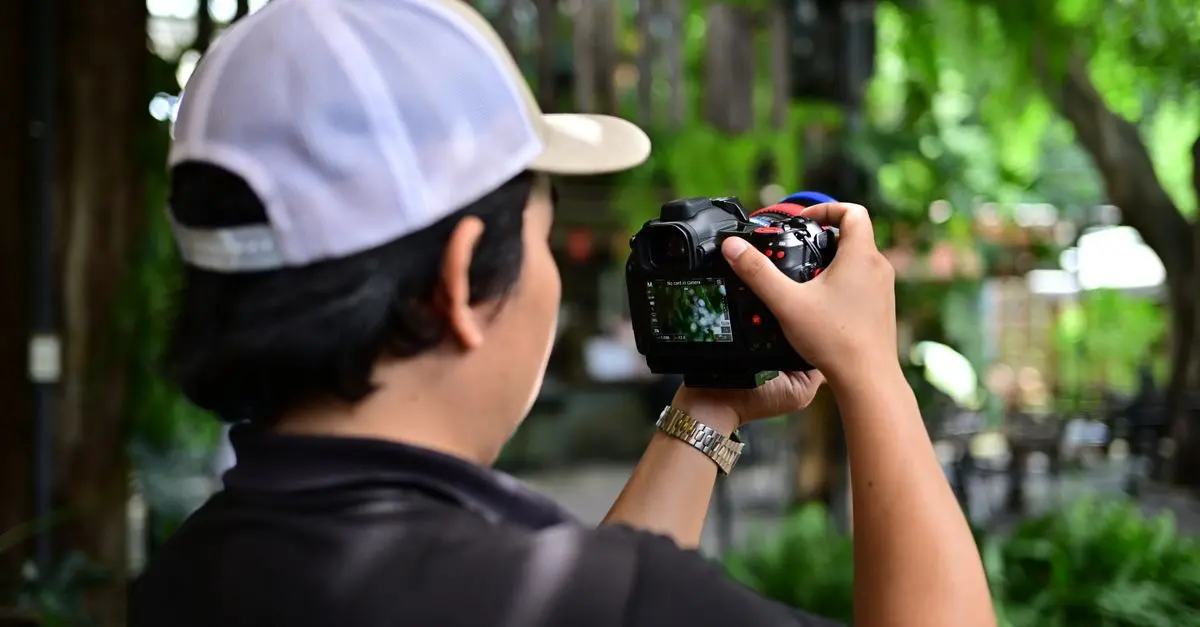
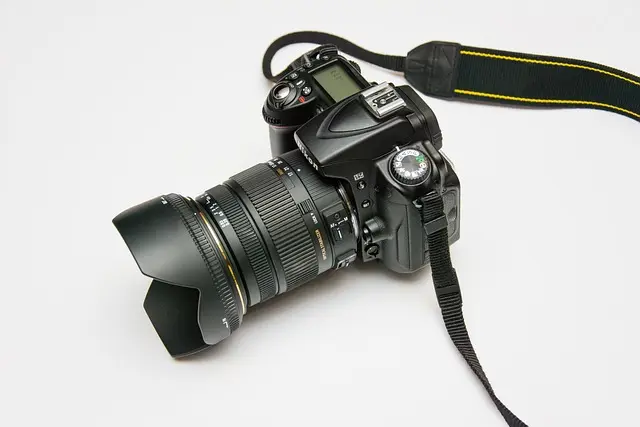
Every aspiring photographer needs a reliable camera body. When beginning, consider your budget and the type of photography you wish to pursue. DSLRs and mirrorless cameras are popular among beginners, offering interchangeable lenses and manual controls. Look for features like sensor size, autofocus capabilities, and video recording options. Entry-level models are often designed to be user-friendly, providing intuitive controls that can enhance your learning experience. As per data from a recent INSEE study, beginners investing in quality camera bodies often see faster growth in their photography skills compared to those with lower-quality options.

Soozier Adjustable Steel Seated Calf Raise Exercise Strength Training Gym Equipment, Yellow
aosom.com
Step 3: Choose the Right Lens
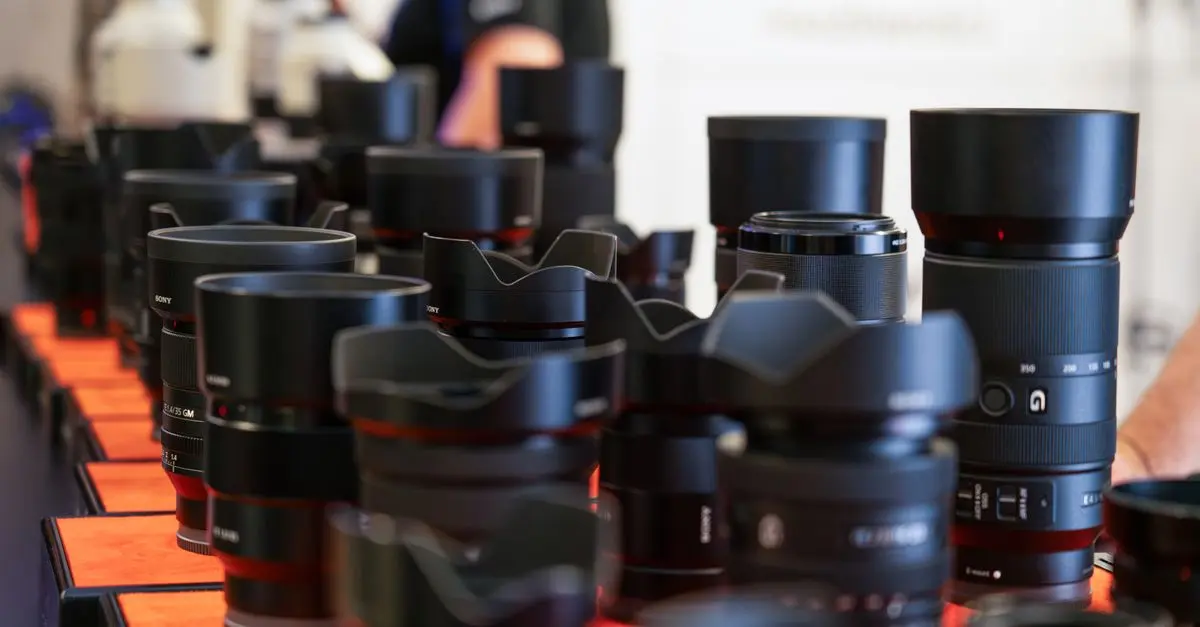
Lenses significantly influence your photographs' quality and perspective. As a beginner, investing in a versatile lens, such as a zoom lens (like an 18-55mm), can be great. This allows you to experiment with different compositions without needing multiple lenses. Once you have a grasp on your preferred style, consider investing in specialty lenses, such as wide-angle or macro lenses, based on your interests. Remember, quality often outweighs quantity; a few good lenses can substantially improve your work. Also, consider lenses with image stabilization, especially if you plan to shoot in low light conditions.
Step 4: Essential Accessories
While the camera and lenses are vital, essential accessories can enhance your photography experience. Key accessories include a sturdy tripod, which can aid in stability for long exposure shots, and a camera bag for safe transport. Additionally, memory cards and extra batteries are critical for uninterrupted shooting, particularly on adventurous outings. Consider acquiring a lens cleaning kit to maintain your equipment and ensure optimal performance. According to feedback from long-time photographers, these accessories often make a noticeable difference in workflow and image quality.
Table: Photography Equipment Essentials
| Equipment Type | Recommended Options | Purpose | Price Range | Verdict |
|---|---|---|---|---|
| Camera Body | DSLR, Mirrorless | Versatility in shooting | $400-$1200 | Choose based on style |
| Lenses | Zoom, Prime | Specialized shooting | $100-$800 | Invest in quality lenses |
| Tripod | Aluminum, Carbon | Stability in shots | $50-$300 | Essential for long exposure |
| Accessories | Battery, Memory Card | Complementary tools | $20-$100 | Crucial for uninterrupted shooting |
Step 5: Explore Online Resources
As a beginner, continuous learning is key. Numerous online resources, including photography courses, YouTube channels, and forums, can enhance your knowledge. Websites like UFC-Que Choisir and Les Numériques offer comprehensive reviews and comparisons of photography equipment, helping you make informed decisions. Engage in community discussions to learn from experienced photographers and swap tips. Participating in online challenges and sharing your work on social media can also yield constructive feedback.
📺 For further exploration: Video resource
> Search for videos on YouTube like 'how to choose photography equipment for beginners' to gather insights.
🧠 Quick Quiz: Which piece of equipment is most essential for a beginning photographer?
- A) Camera body
- B) Tripod
- C) Lens
Answer: A — The camera body is your primary tool for taking photographs, but a tripod also supports better stability.
Checklist Before Purchase
- [ ] Define your photography style
- [ ] Research camera bodies that fit your needs
- [ ] Choose versatile lenses
- [ ] Gather essential accessories
- [ ] Explore online resources and courses
Glossary
| Term | Definition |
|---|---|
| DSLR | A digital camera that uses a mirror mechanism for capturing images. |
| Mirrorless | A type of camera that utilizes electronic viewfinders without the need for mirrors. |
| Aperture | The opening in a lens through which light passes; influences depth of field and exposure. |
Conclusion
Selecting the right photography equipment for beginners involves a thoughtful approach tailored to your interests and goals. By following these steps, you can make informed choices, setting a solid foundation for your photography journey. Remember, the right gear complements your passion for capturing stunning images.
Call to Action
Begin your photography adventure today! Explore our recommended products below to equip yourself with the gear that fits your needs.
📺 Pour aller plus loin : how to choose photography equipment for beginners sur YouTube
Recommended products
Selected by our experts
DR Power Equipment Lawn Mower Attachment 1 each
acehardware.com
The lawn mower attachment can signify the versatility you might look for in photography tools, encapsulating the need for multi-functional gear.
Soozier Adjustable Steel Seated Calf Raise Exercise Strength Training Gym Equipment, Yellow
aosom.com
This adjustable equipment can represent stability while shooting, which is critical as you develop your skills.