Table of Contents (11 sections)
Understanding Photography
Photography is an art form and a technical skill that involves capturing images using light. It combines creativity with precision, where understanding the fundamentals can drastically improve your results. Beginners often struggle with grasping key concepts, which include exposure, aperture, shutter speed, and ISO. Each element works together to influence the final image, allowing photographers to manipulate effects and achieve their desired outcomes. Mastering these basics is essential for one wishing to build photography skills effectively.
Additionally, photography is not limited to professional cameras; smartphones today come equipped with advanced camera technology. According to a 2019 study by Pew Research, about 82% of Americans own a smartphone, and many utilize their devices for photography. This trend highlights the accessibility of photography for everyone, making it crucial to learn essential techniques to create stunning images regardless of equipment. Understanding the context and capabilities of your tools is your first step toward enhancing your photography skills.
Mastering Camera Settings
Once you've grasped the basics of photography, it's time to focus on the camera settings. Understanding how to adjust your aperture, shutter speed, and ISO will allow you to take creative control of your images. These three components are known as the exposure triangle and are pivotal in determining how light interacts with your camera's sensor.
- Aperture determines how much light enters the lens. A wider aperture (lower f-number) creates a shallow depth of field, isolating the subject against a blurred background. For instance, a portrait shot often uses an aperture of f/1.8 or f/2.8. Conversely, a smaller aperture (higher f-number) increases depth of field, which is beneficial for landscape photography. Aim for f/8 to f/16 when capturing expansive scenes.
- Shutter Speed controls the duration your camera's sensor is exposed to light. Slower speeds (like 1/30 seconds) can capture motion blur, suitable for creative effects or low-light scenarios, while faster speeds (1/1000 seconds or more) freeze fast action, perfect for sports photography.
- ISO refers to the sensitivity of your camera's sensor to light. Low ISO values (like 100 or 200) are ideal for sunny environments, while higher values (3200 or 6400) can be beneficial in darker settings. However, increasing the ISO can introduce noise, so finding the right balance is key. Understanding and customizing these settings allows you to create the effects you desire, enhancing your overall photography skillset.
Composition Techniques
Good composition can be the difference between a mundane photo and a captivating one. Using the principles of composition enhances storytelling through visuals. Here are a few fundamental techniques:
- Rule of Thirds: This technique involves dividing your frame into a 3x3 grid. Place key elements along the lines or at their intersections to create a balanced composition that guides the viewer’s eye.
- Leading Lines: Use natural lines in your surroundings to draw attention to your subject. Roads, rivers, and pathways can create a sense of depth and perspective in your photographs.
- Framing: Incorporate elements in your environment to frame your subject, adding context and directing the viewer's focus. For example, shooting through a doorway or between tree branches can create an engaging image.
- Negative Space: Utilization of negative space emphasizes your subject by surrounding it with empty areas. This adds a sense of balance and simplicity to your composition.
The strength of your photographs is defined by how well you can apply these techniques. Practice and experimentation will not only reinforce your skills but will also sharpen your creative eye for composition.
Lighting Fundamentals
Lighting is perhaps the most crucial aspect of photography, influencing mood, texture, and overall image quality. Understanding how to use ambient light, artificial light, and the direction of light sources can drastically improve your skills. Natural light, especially during the golden hour (shortly after sunrise or before sunset), provides soft, flattering illumination for portraits and landscapes alike.
- Harsh Light: Midday sun casts strong shadows and can lead to harsh highlights. To counteract this, seek shaded areas or use reflectors to soften the light.
- Artificial Light: When shooting indoors or at night, mastering the use of artificial lights like flashes and continuous lights can help achieve desired effects. Experimenting with their position and intensity allows greater creative freedom.
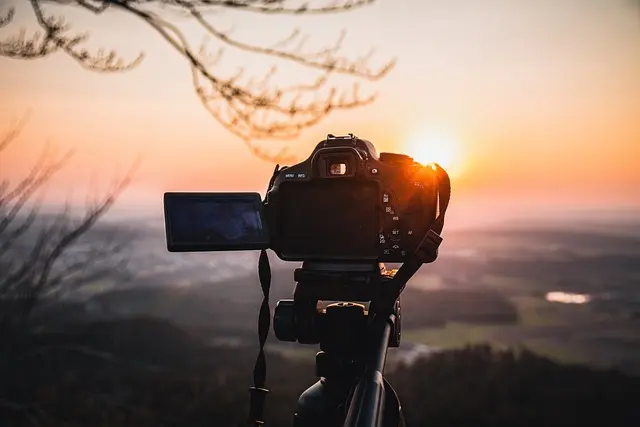
- Backlighting: Positioning your subject in front of the light source creates stunning halo effects and depth, lending a dramatic touch to images. This technique requires experimentation to master effectively.
With a solid understanding of lighting fundamentals, photographers can manipulate how their images are perceived, presenting their subjects in the most flattering ways.
Editing and Post-Processing
Editing is an essential stage in forming a polished image. Software such as Adobe Lightroom and Photoshop offers comprehensive tools for enhancing photos post-shooting. Understanding the basics of color correction, cropping, and exposure adjustments can refine your photography.
- Crop Wisely: Tightening your composition during editing can eliminate distractions and enhance your subject. However, be cautious of how cropping affects the resolution.
- Color Grading: Adjusting contrast, saturation, and highlights can evoke emotion in your images, making them more impactful. Experiment with different color palettes to find your style.
- Sharpening and Noise Reduction: These tools allow you to enhance details and maintain clarity, especially when working with higher ISO shots that may contain noise.
Investing time in learning these editing techniques ensures that your photos have the final touch required to stand out in today’s vast photography landscape.
Practice and Experiment
Ultimately, building photography skills relies significantly on practice. Try to explore various genres of photography such as portrait, landscape, street, or macro photography. Each type offers unique challenges and learning opportunities that enhance your skills and creativity.
Join local photography groups, participate in challenges, and seek constructive feedback on your work. Engage with fellow photographers to discuss techniques or critique your photos. As you experiment with new techniques, you’ll gain confidence and refine your unique style.
📺 Resource Video
>📺 For further exploration: Mastering Photography Techniques, a comprehensive discussion on foundational skills and innovative methods. Look for it on YouTube: photography tutorials 2026.
Checklist Before Starting
- [ ] Understand camera function and settings.
- [ ] Apply composition rules in your photography.
- [ ] Experiment with different light settings.
- [ ] Edit and process images for best results.
- [ ] Join communities for feedback and tips.
Glossary
| Term | Definition |
|---|---|
| Aperture | The opening in the lens that controls light entry. |
| Shutter Speed | The duration of time the camera's sensor is exposed. |
| ISO | The sensitivity of the camera sensor to light. |
🧠 Quiz rapide : What is the best time for outdoor photography?
- A) Midday
- B) Golden Hour
- C) Nighttime
Réponse : B — The golden hour provides softer, more flattering lighting for photography.
📺 Pour aller plus loin : photography tutorials 2026 sur YouTube