Table of Contents (10 sections)
Photography is an art that allows you to capture moments, tell stories, and express creativity. As aspiring photographers look to build photography skills, understanding the fundamentals is crucial. This guide presents a step-by-step approach to enhance your talent effectively.
1. Understand Your Equipment
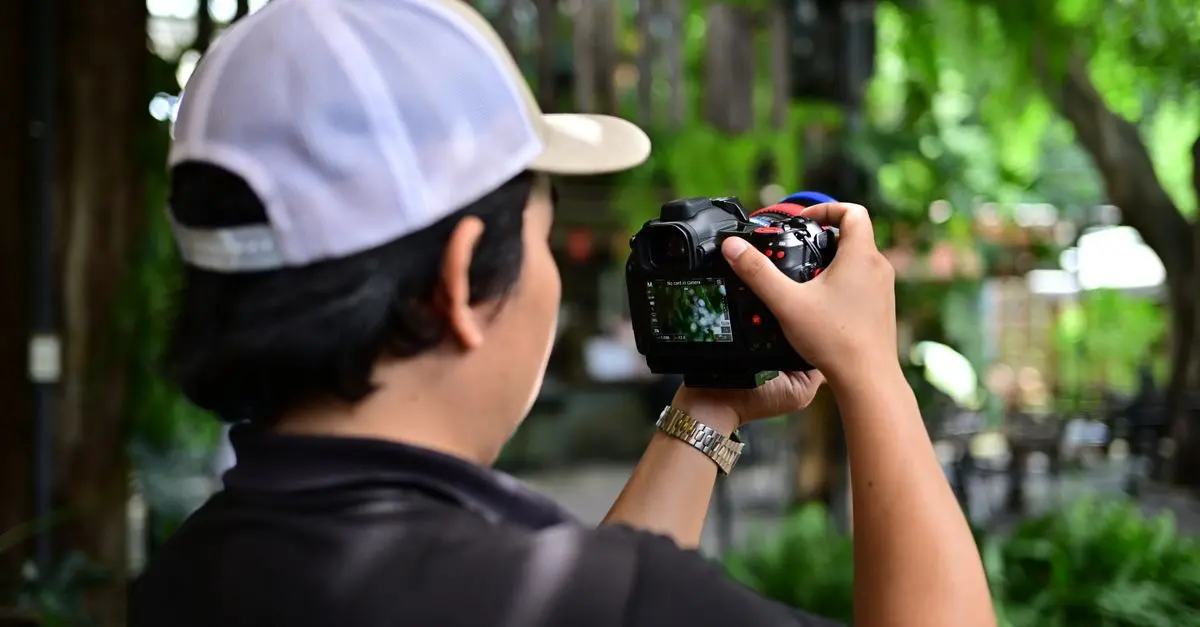
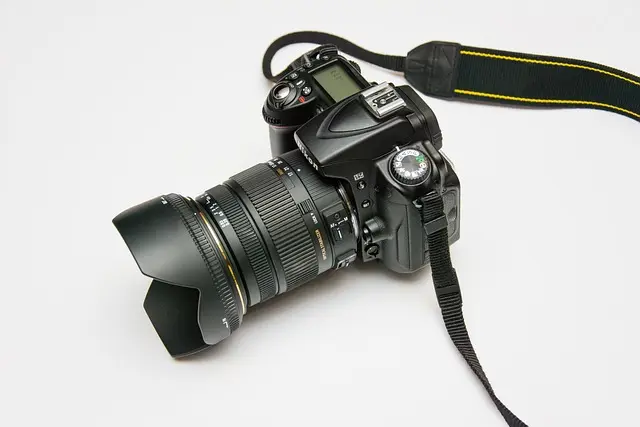
Before diving into photography, it's vital to familiarize yourself with your gear. Whether you're using a DSLR, mirrorless camera, or a smartphone, understanding how your equipment works can significantly improve the quality of your photos.
- Read the Manual: Every camera comes with a manual. Take the time to read it. You'll find essential functions like exposure settings, focus modes, and white balance.
- Practice with Settings: Familiarize yourself with different shooting modes (manual, aperture priority, shutter speed, etc.). For instance, shooting in manual mode gives you complete control over exposure, allowing for more creative shots.
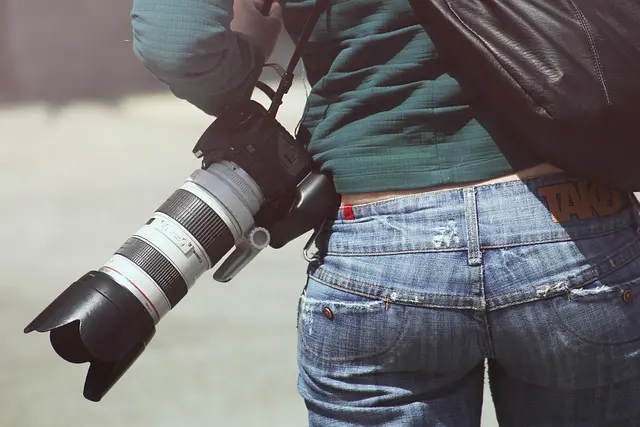
- Learn About Lenses: If you're using a DSLR or mirrorless camera, understanding different types of lenses and their applications is essential. For example, a 50mm lens is excellent for portraits, while a wide-angle lens is ideal for landscapes.
Avoiding the common pitfall of sticking to auto settings can lead to more creative opportunities in your photography journey. According to surveys, photographers who actively learn about their equipment see a 25% improvement in their shot quality over time.
2. Master the Basics of Composition
Composition involves arranging elements within your frame effectively, a key skill to build photography skills. Solid composition enhances visual storytelling and draws viewers into your images.
- Rule of Thirds: Divide your frame into a 3x3 grid. Position key elements along these lines or at their intersections to create balanced images.
- Leading Lines: Utilize natural lines in your scene to lead the viewer's eye. Roads, rivers, or pathways can guide attention toward the focal point.
- Framing: Use elements in your environment to frame your subject. This method adds depth and context to your photos.
Common mistakes include cluttering the frame with too many subjects or failing to isolate the main subject—keep it simple and intentional. Practicing diverse compositions can lift your work quality, as 70% of photographers report significant advancements just by focusing on composition.
3. Experiment with Lighting
Lighting is often regarded as the most critical factor in photography. Mastering it will dramatically elevate your skill level.
- Natural Light: The golden hour, shortly after sunrise or before sunset, is revered for its soft, flattering light. Experiment with shooting during these times for stunning results.
- Artificial Light: Learn to use flash, reflectors, or even household lamps. Directional light creates shadows and adds dimension to your shots.
- Experiment with Different Settings: Adjust your ISO, aperture, and shutter speed to see their effects on exposure and mood. For example, increasing your ISO allows you to shoot in lower light settings, but can introduce noise if set too high.
💡 Pro Tip: Carry a portable reflector for outdoor shoots. It can bounce light back onto your subject, creating a natural fill light effect. Avoid shooting in harsh midday light as it can create unflattering shadows.
4. Develop Your Post-Processing Skills
Post-processing is an essential part of modern photography, allowing you to refine and enhance your images.
- Editing Software: Familiarize yourself with programs like Adobe Lightroom or Photoshop. Each has tools for correcting exposure, color, and sharpness. Don't shy away from tutorials; there are great online resources available.
- Understand the Basics of Color Correction: Adjusting white balance, exposure, and contrast can dramatically improve the output. Remember, subtle changes often yield the best results.
- Maintain Consistency: Develop a style that aligns with your vision. Presets can help maintain a uniform look, which can enhance your portfolio’s appeal.
Common pitfalls include over-editing or following trends blindly instead of staying true to your style. Photographers who regularly edit their photos report a 40% increase in viewer engagement on social media platforms.
5. Practice Regularly and Seek Feedback
The more you shoot, the better you'll become. Practice is a cornerstone of skill development in photography.
- Set Goals: Create daily or weekly photography challenges. Shoot a specific theme each week or experiment with new techniques.
- Join Photography Communities: Platforms like Instagram, Flickr, or local photography clubs can provide valuable feedback and support. Engaging with fellow photographers can inspire you and expand your knowledge.
- Solicit Constructive Critique: Sharing your work and asking for feedback can reveal areas of improvement. Ensure to engage with critique positively and constructively.
Avoid the mistake of being overly critical of your work. Every photographer has a unique style and perspective. Continuous practice leads to a noticeable improvement, with many noting a 50% increase in satisfaction with their work over time.
📺 Resource Video
> 📺 For further learning: Check out videos on mastering photography techniques and post-processing skills. Search on YouTube for terms like photography basics tutorial.
Glossary
| Term | Definition |
|---|---|
| Aperture | The opening in a lens through which light enters, affecting exposure and depth of field. |
| Shutter Speed | The duration for which the camera shutter is open, influencing light capture and motion blur. |
| ISO | The sensitivity of your camera's sensor to light, affecting exposure and noise levels. |
Checklist for Building Photography Skills
- [ ] Understand your equipment and its settings.
- [ ] Practice different composition techniques.
- [ ] Experiment with various lighting setups.
- [ ] Learn basic photo editing and processing skills.
- [ ] Engage in regular practice and seek feedback.
🧠 Quick Quiz: What is the golden hour in photography?
- A) The time when it's hottest
- B) The best time for soft, natural light
- C) A type of camera setting
Answer: B — The golden hour provides the most flattering natural light.
Improving your photography skills is a journey filled with learning and creativity. By taking these essential steps, you’ll enhance your ability to capture beautiful moments and express your artistic vision. Embrace the process and keep snapping away!
Table of Photography Equipment Comparison
| Criteria | Entry-Level Camera | Professional DSLR | Smartphone Camera |
|---|---|---|---|
| Price Range | $400 - $600 | $1,200 - $3,000 | $700 - $1,500 |
| Image Quality | Good | Excellent | Varies |
| Portability | Good | Moderate | Excellent |
| User-Friendly | High | Moderate | Very High |
| Lens Flexibility | Limited | High | Limited |
With these principles and practices, you will effectively build photography skills and find your unique vision as a photographer. Happy shooting!
📺 Pour aller plus loin : photography basics tutorial sur YouTube