Table of Contents (11 sections)
Building photography skills is an enriching journey that opens doors to creativity and self-expression. Whether you're a complete novice or looking to refine your craft, understanding how to enhance your skills is crucial. This guide offers a step-by-step approach, designed to help you on your path to becoming an accomplished photographer.
📚 Step 1: Understand the Basics of Photography
Before diving into more complex techniques, it’s essential to grasp the fundamental concepts of photography. Start by familiarizing yourself with key elements such as exposure, aperture, shutter speed, and ISO. Exposure is the amount of light that reaches your camera sensor: too much light results in overexposed images, while too little makes them underexposed.
The aperture controls the size of the lens opening, affecting depth of field. A lower f-stop number (like f/2.8) provides a shallow depth of field, ideal for portraits, while a higher f-stop (like f/16) keeps more of the scene in focus, suitable for landscapes. Shutter speed determines how long the camera’s shutter is open, impacting motion blur in your images. Finally, ISO adjusts your camera's sensitivity to light. Higher ISO settings are useful in low-light conditions but may introduce noise.
Take time to apply these concepts through practical exercises. For example, try taking a photo with various aperture settings and observe how the depth of field changes. This foundational knowledge will give you the confidence to experiment further. By building a solid understanding of these core elements, you'll establish a strong base for your photography journey.
📷 Step 2: Invest in the Right Equipment
Choosing the right equipment can make a significant difference in your photography experience and results. While it’s tempting to buy the latest and most expensive gear, it's important to start with what you need for your specific interests.
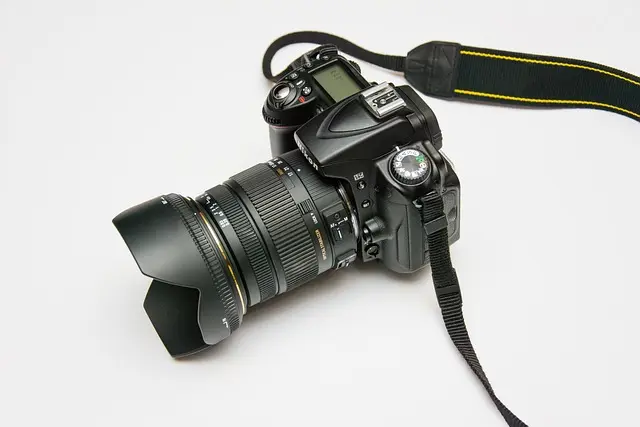
For beginners, a basic DSLR or mirrorless camera is often sufficient. Look for cameras that offer manual controls, allowing you to practice adjusting settings effectively. Additionally, invest in a few prime lenses, starting with a standard 50mm lens, which can be versatile for various types of photography. Tripods and filters (like polarizers) can also enhance your shots, especially in challenging lighting conditions.
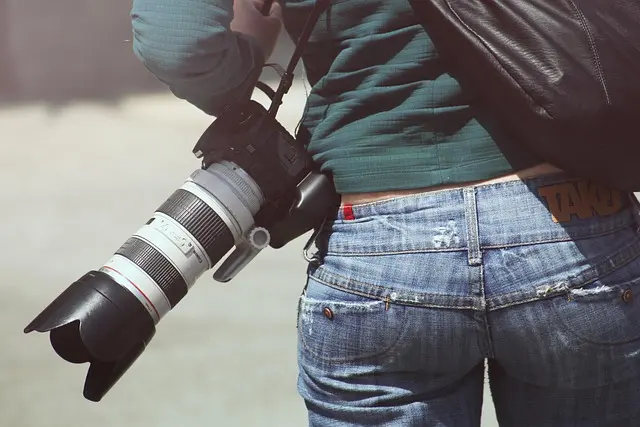
As you progress, consider evaluating your gear based on your growth and evolving interests. For instance, if you wish to venture into wildlife photography, investing in a telephoto lens may be a vital upgrade. Take advantage of rental services to test gear before purchase. Remember, while gear can enhance your skills, practice and creativity remain key.
🚀 Step 3: Practice Regularly
Scheduled practice is fundamental to honing your photography skills. Designate specific times each week to focus on photography; this consistency allows you to apply what you've learned and build muscle memory. Vary your shooting environments—try photographing landscapes, portraits, or street scenes to challenge yourself.
Make use of local workshops or online challenges, such as 52-week photography projects that encourage creativity and discipline. Furthermore, join local photography groups or online forums to share your work and gain constructive feedback from peers. Use platforms like Instagram and Flickr to post your images, connecting with a community of photographers while showcasing your growth. The more you shoot, the better you will understand your equipment and develop your personal style.
🔍 Step 4: Learn Post-Processing Techniques
Post-processing is an integral aspect of digital photography. It allows you to refine and enhance your images, offering a way to express your vision artistically. Start with basic photo editing software like Adobe Lightroom, which is user-friendly and perfect for beginners. Once comfortable, explore advanced tools like Adobe Photoshop to delve deeper into editing capabilities.
Focus on mastering essential skills such as exposure adjustments, color correcting, and cropping. Online resources, including tutorials and courses, offer valuable insights into these techniques. Participate in editing challenges to enhance your skills under timed conditions and learn from others' approaches. Remember, effective post-processing can dramatically improve the quality of your images, making them more compelling and professional.
🔗 Step 5: Find Your Style and Specialize
As you develop your skills, it’s crucial to identify your unique style and focus on areas that resonate with you. Experiment with different genres of photography—portrait, macro, landscape, or street photography—to discover what captures your interest most. Every photographer has a distinctive voice, and finding yours can enhance both your technique and creativity.
Study the work of both contemporary and classic photographers to understand various styles and techniques, but ensure you maintain originality. Try to incorporate their techniques into your work, then add your personal touch to create something new. Specializing in a niche can lead to deeper satisfaction and mastery, ultimately helping you stand out as a talented photographer.
✅ Checklist before Progressing
- [ ] Understand the basics of exposure, aperture, shutter speed, and ISO.
- [ ] Invest in essential and relatable photography equipment.
- [ ] Schedule regular practice sessions.
- [ ] Learn and apply post-processing techniques.
- [ ] Explore different photography styles to find your niche.
💡 Expert Opinions
> 💡 Expert Tip: Regular feedback on your work can drastically improve your learning curve. Consider trading critiques with fellow photographers on platforms like Flickr or 500px.
📺 Resource Video
> 📺 For further insights: How to Use Your Camera Settings Like a Pro, an in-depth tutorial on mastering essential photography settings. Search on YouTube:
> how to build photography skills 2026.
Glossary
| Terme | Définition |
|---|---|
| Aperture | The size of the lens opening that controls light and depth of field. |
| ISO | The camera sensor's sensitivity to light; higher ISO can increase brightness but may add noise. |
| Shutter Speed | The duration the camera shutter is open, affecting motion blur and light exposure. |
🧠 Quick Quiz:
> What is the primary function of aperture in photography?
> - A) Controls light sensitivity
> - B) Adjusts the lens opening
> - C) Determines photo composition
> Answer: B — The aperture adjusts the lens opening, impacting light intake and depth of field.
📺 Pour aller plus loin : how to build photography skills 2026 sur YouTube