Table of Contents (11 sections)
Photography is not just an art; it's a skill that evolves with practice, dedication, and the right guidance. In this comprehensive guide, we will outline a detailed, step-by-step approach to help you build your photography skills. This structured method ensures that you not only grasp the fundamentals but also master complex concepts that can elevate your work.
1. Understand the Basics of Photography
Before diving into the intricacies of photography, it’s essential to grasp the foundational elements. This includes understanding exposure, aperture, shutter speed, and ISO. Exposure is the amount of light that reaches your camera sensor, which is crucial for creating well-lit images. Aperture, controlled by the f-stop settings on your camera, affects depth of field and how much of the shot is in focus. For instance, an f-stop of 2.8 will allow more light and create a blurred background, while an f-stop of 16 will keep more of the scene in focus.
Shutter speed determines how long the camera’s shutter remains open, influencing movement and motion blur in your photos. Finally, ISO adjusts your camera’s sensitivity to light, impacting noise levels in your images. Understanding these concepts will give you a solid base for more advanced techniques.
2. Invest in a Good Camera
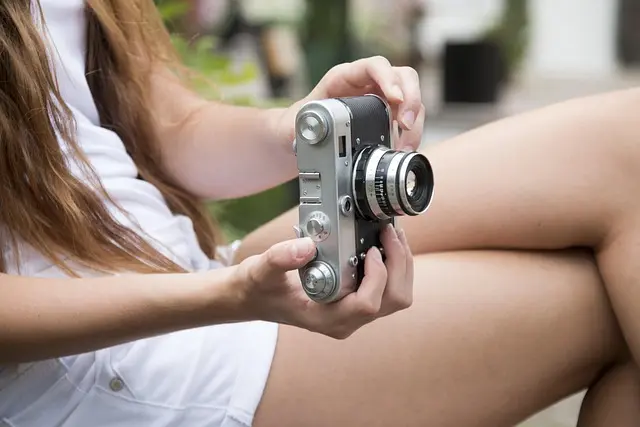
While it’s possible to take stunning photos with a smartphone, investing in a good camera can significantly enhance your photography skills. Look for a DSLR or mirrorless camera that suits your needs and budget. Nikon, Canon, and Sony are reputable brands offering a range of entry-level and professional options. Ensure that the camera you choose has manual settings that allow you to adjust aperture, shutter speed, and ISO.
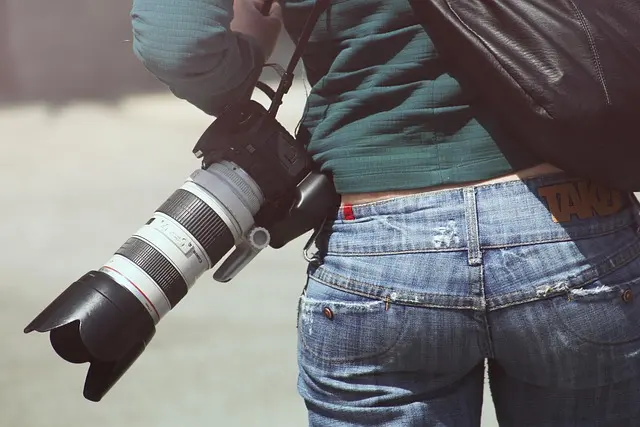
Additionally, consider investing in a sturdy tripod and quality lenses. A tripod helps stabilize your camera for longer exposures and helps compose shots accurately. Different lenses can offer varying perspectives and effects. For instance, a wide-angle lens is excellent for landscapes, while a macro lens is ideal for close-up photography. Having the right equipment allows you to experiment and improve your skills in various photography genres.
3. Master Composition Techniques
Composition is a vital aspect of photography that can significantly affect the impact of your images. This involves arranging elements within the frame to create visual harmony and balance. The rule of thirds is a fundamental technique where you divide your frame into thirds, both horizontally and vertically, and place the subject at one of the intersections. This creates more dynamic and engaging photos.
Another composition method is leading lines, where lines within the image draw the viewer's eye toward the subject. Experimenting with different angles and perspectives can also yield creative results. Use framing by finding natural frames in your environment to highlight your subject. Understanding these composition techniques will enhance your ability to convey stories through your photographs.
4. Learn Post-Processing Skills
Post-processing is an integral part of modern photography, enabling you to enhance your images and correct mistakes. Familiarize yourself with software like Adobe Lightroom or Photoshop. These tools allow you to adjust exposure, color balance, contrast, and sharpness.
Start with basic edits to clean up your images, then gradually explore more advanced techniques like retouching or compositing. Learning keyboard shortcuts and workflow tips can improve your efficiency and make tedious tasks lighter. Finally, don’t hesitate to join online forums or watch tutorials to learn new editing techniques from other photographers.
5. Practice, Practice, Practice
The most effective way to build your photography skills is through consistent practice. Set a schedule to take pictures regularly. Challenge yourself with different genres of photography such as portrait, landscape, architectural, or street photography. Each genre offers unique challenges and learning opportunities that can expand your skill set.
Join local photography clubs or online communities to share your work and gain feedback. Participate in photo walks to network with like-minded individuals and gain inspiration from others. Remember, consistency is key; the more you practice, the more you’ll refine your eye and ability.
6. Seek Feedback and Learn from Others
Receiving feedback on your work is crucial for improvement. Join online photography communities or local clubs where you can share your images and critique others’ work. Platforms like Flickr or 500px allow you to connect with photographers and showcase your portfolio.
Additionally, seek mentorship from experienced photographers. Many professionals offer workshops or online courses that can provide invaluable insights into techniques and approaches. Learning from others’ experiences can shortcut your journey to becoming a skilled photographer.
7. Create a Personal Project
Undertaking a personal project can be a rewarding way to push your boundaries as a photographer. Start a 365-day project where you take a photo every day; this challenge encourages creativity and dedication. You might focus on a theme, such as “Nature,” “People,” or “Urban Life.” This focused approach can deeply enhance your skills and provide a portfolio of work that reflects your journey.
📺 Resource Video
> 📺 For further exploration: Mastering Photography Composition, an in-depth analysis of composition techniques. Search on YouTube: photography composition techniques 2026.
## Checklist for Building Your Photography Skills
- [ ] Understand basic photography concepts.
- [ ] Invest in a suitable camera and accessories.
- [ ] Learn and apply composition techniques.
- [ ] Familiarize yourself with post-processing software.
- [ ] Practice consistently across various photography types.
- [ ] Seek constructive feedback on your work.
- [ ] Undertake a personal photography project.
Glossaire
| Terme | Définition |
|---|---|
| Aperture | The hole that allows light to pass through the lens, affecting exposure and depth of field. |
| Shutter Speed | The amount of time the camera's shutter is open to expose light into the sensor. |
| ISO | The sensitivity of the camera sensor to light, influencing the brightness and noise levels in photos. |
> 🧠 Quiz rapide: What is the primary purpose of aperture in photography?
> - A) To control light entering the lens
> - B) To stabilize the camera
> - C) To capture color
> Réponse : A — Aperture controls the amount of light that reaches the camera sensor.
📺 Pour aller plus loin : how to improve your photography skills 2026 sur YouTube