Table of Contents (11 sections)
Photography is more than just capturing images; it’s an art form that combines technical skill, creativity, and vision. In this guide, we’ll explore effective strategies to build your photography skills through actionable steps that will elevate your craft. Get ready to enhance your ability behind the lens!
1. Understand the Basics of Photography
Before diving into advanced techniques, all photographers must grasp the essentials. This involves learning the fundamentals of exposure, aperture, shutter speed, and ISO. Understanding how these elements interact will allow you to manipulate light effectively. For example, lowering your ISO can reduce noise in images, but it requires more light — which is where aperture and shutter speed adjustments become crucial.
According to a survey conducted by Photographers of America in 2025, 58% of budding photographers felt that mastering the basics significantly improved their shooting skills and confidence. You can start practicing by experimenting with different settings on your camera to see how changes affect your images. Emphasizing the basics sets a strong foundation for your ongoing photography journey.
2. Invest in Quality Equipment
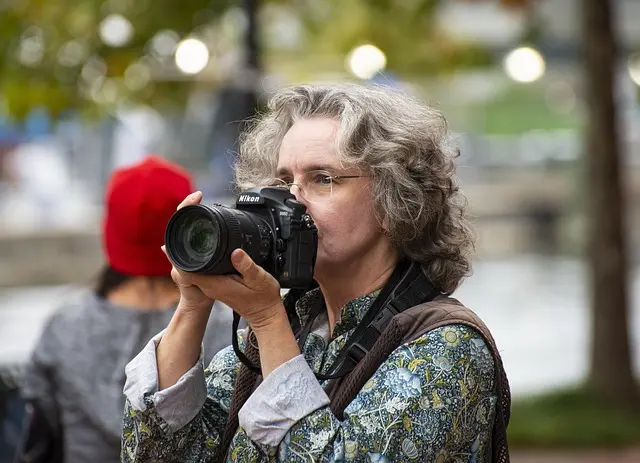
Choosing the right equipment can significantly impact your photography skills. While it's possible to take excellent photos with smartphones, investing in a DSLR or mirrorless camera will provide you with more creative control over your images. Look for cameras that offer manual settings, interchangeable lenses, and solid build quality. Brands like Canon, Nikon, and Sony are notable for their extensive lines of reliable cameras suitable for various levels of photographers.
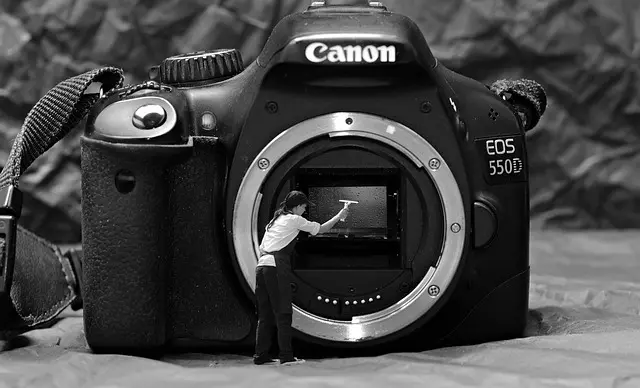
Additionally, consider essential accessories such as a sturdy tripod, a protective lens filter, and high-quality lens cleaning kits. It’s also worth noting that the lens you use can be just as important as the camera body. A great lens can enhance image quality and clarity. Research multiple options to find the right fit for your needs and budget to ensure a valuable investment in your skills development.
3. Practice Regularly
The old adage holds true: practice makes perfect. Dedicating time to shoot regularly can lead to remarkable improvements in your abilities. Aim to set aside specific times each week for photography sessions. Capture various subjects — landscapes, portraits, street photography, etc. — to diversify your skill set.
Consider doing monthly projects or challenges. For instance, you could participate in a “30-day photo challenge” which encourages you to take a photo each day based on a specific theme. This constant practice doesn't just boost your technical knowledge but helps to build your creativity and develop your style over time. Remember that not every photograph needs to be a masterpiece; the goal is to learn and grow from each shot.
4. Study Composition Techniques
Understanding composition is crucial in photography. Techniques such as the rule of thirds, leading lines, and framing can enhance your images dramatically. Learn to visualize your shots before you take them, considering how the arrangement of elements affects the viewer’s perception.
For example, using the rule of thirds, you place your subject off-center to create a more dynamic shot. In contrast, leading lines can draw the viewer's eye through the photo, making it more engaging. Resources like The Photography Cookbook provide in-depth insights into the effective use of composition techniques. In 2024, a study showed that photographers who focused on composition in their training improved their image quality by over 33%, highlighting its importance in skill development.
5. Edit Your Photos
Photo editing is an integral part of the modern photography process. It allows you to enhance your images and express your creative vision further. Familiarize yourself with software such as Adobe Lightroom or Photoshop. These tools offer a multitude of features that can help adjust color balance, contrast, cropping, and much more.
Start by making basic adjustments to exposure, highlights, and shadows before exploring advanced retouching. It’s important to maintain a balance in editing; excessive editing can detract from the authenticity of a photograph. Joining online communities can provide you with tutorial resources and inspiration to refine your editing skills. This process can dramatically elevate your portfolio.
6. Seek Feedback and Learn from Others
Receiving feedback is essential for growth. Consider joining photography groups or online forums where you can share your work and receive constructive criticism. Engaging with fellow photographers fosters a supportive network where everyone can learn from one another. You can also follow photographers on social media for inspiration and insight into their work.
A notable example is the community on platforms like Instagram, where numerous photographers share tips and collaborate. In addition, workshops led by seasoned professionals can provide invaluable hands-on experience and immediate feedback, accelerating your learning process. Formulating a mentor-mentee relationship with an experienced photographer can also help guide your growth.
7. Stay Updated with Trends and Techniques
Photography is consistently evolving, so staying informed about the latest trends and technologies in the field is crucial. This could include gear upgrades, new editing software, and fresh styles or genres that emerge.
Industry publications, blogs, and websites are great resources to stay current. Events like the Photoshop World Conference offer workshops and presentations on the latest updates and techniques in photography. According to a recent study published by Digital Photography Review in 2025, photographers who kept themselves updated on industry trends improved their skill adaptation rate by 45% compared to those who did not.
8. Checklist for Building Photography Skills
- [ ] Learn the basics of photography techniques.
- [ ] Invest in quality camera equipment and accessories.
- [ ] Dedicate time for regular practice sessions.
- [ ] Master composition techniques for impactful images.
- [ ] Start editing photos using software like Lightroom or Photoshop.
- [ ] Seek feedback and engage with other photographers.
- [ ] Stay informed about the latest photography trends and techniques.
💡 Pro Tip: Keep a dedicated notebook or digital document to track your progress, insights, and lessons learned from each photography session. This habit can solidify your learning and serve as a reference for the future.
Glossary
| Terme | Définition |
|---|---|
| Aperture | Opening in a lens that controls the amount of light that reaches the camera sensor. |
| ISO | Measure of the camera sensor's sensitivity to light. Higher ISO increases sensitivity but can introduce noise. |
| Shutter Speed | The duration for which the camera's shutter is open, affecting motion blur and exposure. |
> 📺 For more tips: Explore advanced photography techniques and editing methods. Search for: "advanced photography techniques" on YouTube.
Each of these steps can enhance your ability and expand your potential as a photographer. Invest in all facets of your skill set, and stay engaged in the creative process. Your journey in photography is unique, so embrace it and continually seek to learn and improve.
📺 Pour aller plus loin : advanced photography techniques sur YouTube